Nigeria, a land of diverse cultures and traditions, boasts a plethora of ethnic groups, each with its unique heritage. Among these, the Yoruba people stand out for their rich cultural tapestry that has fascinated many both locally and globally. Whether you're a Nigerian eager to reconnect with your roots or a traveler seeking to immerse yourself in authentic African culture, understanding the Yoruba culture offers an enlightening journey.
The Yoruba are predominantly found in the southwestern region of Nigeria, thriving in a blend of urban cities like Lagos and traditional towns such as Ile-Ife. Known for their profound respect for tradition, the Yoruba people's way of life is an intricate weave of history, art, religion, and social norms. This article delves into the fascinating world of the Yoruba, exploring their customs, significant festivals, traditional attire, and much more.
The Origins and History of the Yoruba People
The Yoruba people, one of Africa's largest ethnic groups, have a rich history that dates back to ancient times. Historically, the Yoruba kingdoms were powerful and influential, with notable cities like Ife and Oyo, which served as epicenters of politics and culture.
The Myth of Creation
The Yoruba have a compelling creation story that plays a significant role in their cultural identity. According to Yoruba mythology, the world was created by the supreme deity, Olodumare, who delegated creation tasks to lesser gods like Obatala and Oduduwa. This myth underscores the Yoruba's deep-rooted belief in the divine and the spiritual world.
Pre-Colonial and Colonial Era
Before the advent of colonialism, the Yoruba were known for their sophisticated urban centers and political systems. The Oyo Empire, in particular, was renowned for its military prowess and trade systems. During the colonial era, the Yoruba played a significant role in Nigeria's journey to independence, contributing to the intellectual and political discourse of the time.
Language and Communication
The Yoruba language, with its melodious tones and rich proverbs, is a core aspect of Yoruba identity. It serves as a medium for expressing cultural nuances and wisdom passed down through generations.
Proverbs and Oral Tradition
Yoruba proverbs are an integral part of everyday communication. They often encapsulate deep meanings and moral lessons. For instance, "Ile la n wo ka to somo loruko" translates to "We look at the background before naming a child," emphasizing the importance of heritage and identity.
The Yoruba language is not just a means of communication but a repository of wisdom and tradition.
Yoruba Festivals and Celebrations
Yoruba festivals are vibrant, colorful, and deeply rooted in tradition. They provide an opportunity for communal bonding and the celebration of heritage.
The Osun-Osogbo Festival
One of the most popular Yoruba festivals is the Osun-Osogbo Festival, held annually in Osogbo. It is a two-week-long event that celebrates the river goddess Osun, attracting thousands of worshippers and tourists.
Eyo Festival
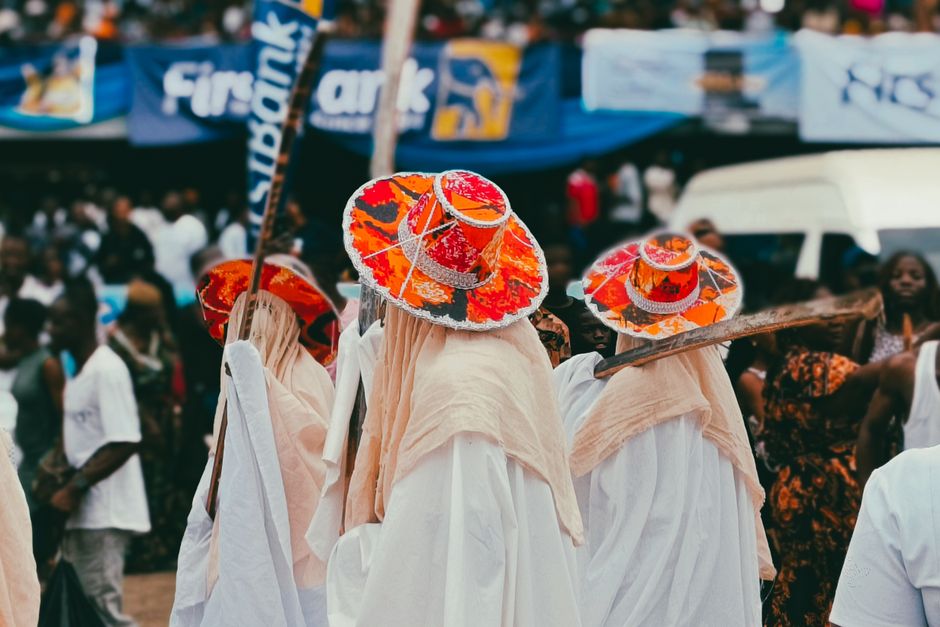
The Eyo Festival in Lagos is another spectacle that showcases the rich cultural heritage of the Yoruba, featuring a parade of white-robed masqueraders and lively music.
Traditional Attire and Fashion
Yoruba fashion is renowned for its elegance and vibrant colors, reflecting the creativity and craftsmanship of the people.
The Aso-Oke Fabric
Aso-Oke, a handwoven fabric, is a staple in Yoruba traditional attire. It is often worn during special occasions and is considered a symbol of status and pride.
Gele and Agbada
The gele, a traditional headwrap, and agbada, a flowing gown, are iconic fashion statements in Yoruba culture, each piece carrying historical and cultural significance.
Faith and Spirituality
Religion plays a central role in Yoruba society, with a blend of traditional beliefs and Abrahamic religions shaping the spiritual landscape.
Traditional Religion
The Yoruba pantheon includes numerous deities, or Orishas, each governing different aspects of life and nature. This belief system influences many cultural practices and festivals.
Christianity and Islam
While traditional beliefs persist, Christianity and Islam are also prevalent among the Yoruba, often interwoven with indigenous practices to create a unique spiritual blend.
Conclusion
Exploring Yoruba culture provides a window into the richness of African traditions and the resilience of one of its most prominent ethnic groups. Their contributions to Nigeria's cultural and historical tapestry are immense and continue to influence contemporary Nigerian society. Whether through language, festivals, or attire, the Yoruba people's heritage is a testament to their enduring legacy.