The vibrant cultural landscape of East Africa offers a tapestry of traditions and customs that captivate any curious traveler. From the rhythmic beats of traditional dances to the colorful displays of Maasai beadwork, the region is a treasure trove of rich heritage waiting to be explored. For Nigerian readers, this exploration offers a unique opportunity to connect with ancestral roots while discovering new stories along the way.
As you journey through East Africa, you'll find that each country adds its own flavor to the cultural mosaic. With a shared history of trade, migration, and colonialism, the countries in this region exhibit a blend of indigenous and foreign influences, making it a fascinating destination for anyone interested in cultural diversity.
Whether you're drawn to the majestic landscapes of Kenya, the serene beaches of Tanzania, or the historical sites of Uganda, East Africa promises an enriching experience that broadens your understanding of African culture. Join us as we delve into the heart of East Africa's cultural heritage, exploring the traditions, languages, and lifestyles that define this vibrant region.
The Diversity of East African Cultures
Traditional Music and Dance
Music and dance are integral to East African culture, serving as a means of storytelling and community bonding. Each ethnic group has its unique style, ranging from the lively beats of the Luo's ohangla music to the soothing chants of the Swahili taarab.
These musical traditions are not just entertainment; they are a reflection of the community's history and values.
"Music is the wine that fills the cup of silence." - Robert Fripp
Languages of East Africa
The linguistic diversity in East Africa is astounding, with more than 200 languages spoken across the region. Swahili, a Bantu language, serves as a lingua franca, uniting diverse ethnic groups especially in Tanzania and Kenya.
For Nigerian travelers, navigating this linguistic landscape can be both challenging and rewarding, offering insights into the local way of life.
Exploring East African Cuisine
Staples and Specialties
East African cuisine is a delightful fusion of flavors, with dishes that reflect the region's agricultural bounty and historical trade connections. From ugali and nyama choma in Kenya to the spicy Zanzibari biryani, there's a culinary adventure waiting at every corner.
For those familiar with Nigerian jollof rice, the spicy pilau of Tanzania might strike a familiar note, showcasing the African love for rich, flavorful dishes.
Local Markets and Street Food
No cultural exploration is complete without a visit to a bustling local market. In cities like Nairobi and Dar es Salaam, markets are a sensory overload of sights, sounds, and smells.
Street food, such as samosas and mandazi, offers quick, tasty bites that are perfect for fueling your explorations.
Traditional Attire and Art
Maasai Beadwork
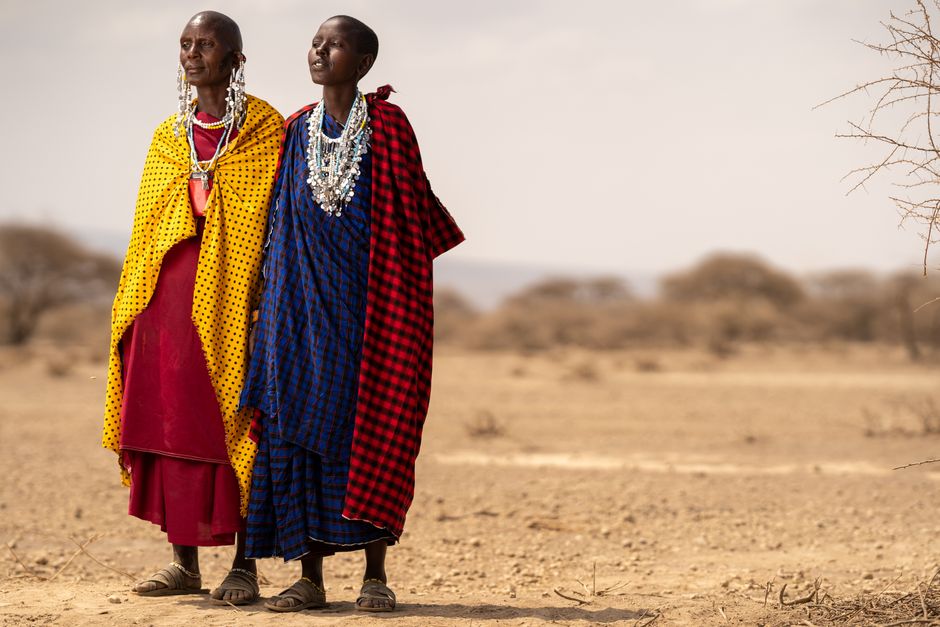
The Maasai, one of East Africa's most well-known ethnic groups, are renowned for their intricate beadwork. Every piece of jewelry tells a story, with colors and patterns symbolizing various cultural meanings.
For Nigerian visitors, these vibrant ornaments may resonate with the detailed artistry found in Nigerian Aso Oke and Ankara designs.
Craftsmanship and Souvenirs
East Africa is abundant with skilled artisans who create everything from wood carvings to woven baskets. These crafts not only make for exquisite souvenirs but also support local economies and preserve traditional skills.
Conservation and Community Involvement
Eco-tourism Initiatives
East Africa is at the forefront of eco-tourism, with many communities actively engaged in conservation efforts. These initiatives aim to protect the region's natural beauty while providing sustainable livelihoods for locals.
For travelers from Nigeria, participating in eco-tourism activities offers a chance to contribute positively to the region's future while enjoying its natural wonders.
Volunteering Opportunities
Many travelers choose to engage with East African culture through volunteering, whether it's teaching in rural schools or participating in wildlife conservation projects.
These experiences can be incredibly rewarding, offering a deeper understanding of local challenges and triumphs.
Conclusion
In conclusion, the cultural heritage of East Africa is a mesmerizing blend of tradition and modernity. By immersing yourself in the music, language, cuisine, and art of the region, you'll not only enrich your travel experience but also gain a deeper appreciation for the complexities and beauty of African cultures.
For Nigerian travelers, East Africa offers a unique opportunity to connect with the continent's diverse heritage, creating memories and friendships that will last a lifetime.