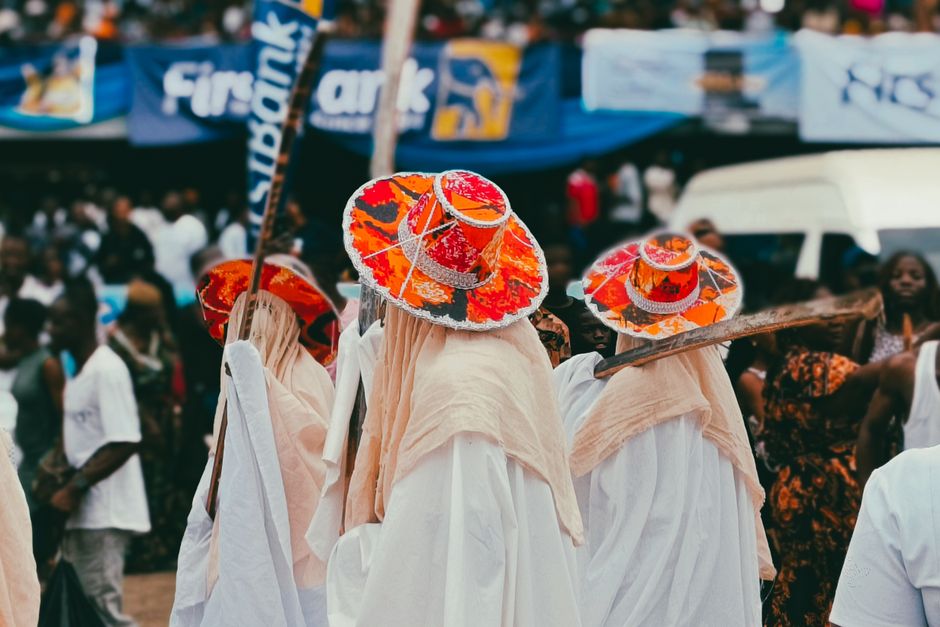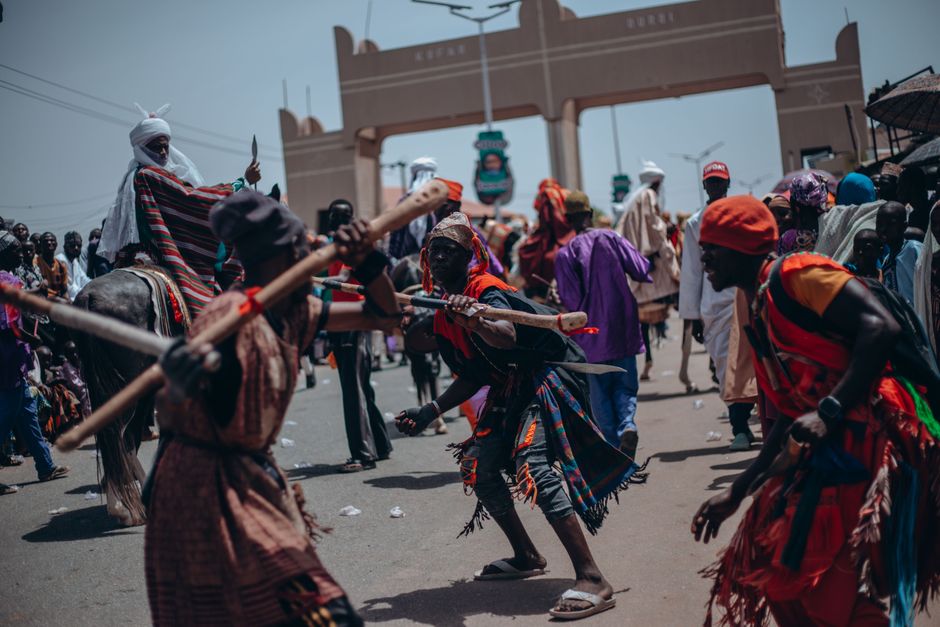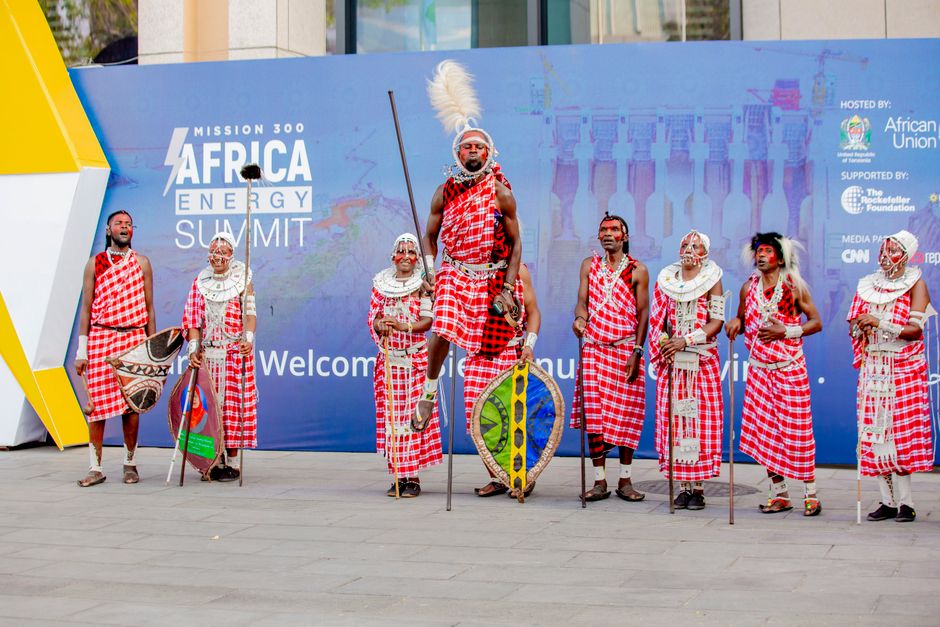
When you think of East Africa, images of sweeping savannahs and majestic wildlife might come to mind. But for the curious Nigerian traveler, East Africa offers so much more—a vibrant cultural tapestry that spans centuries and captivates the soul. This is a journey into the heart of East African culture, a region as diverse in its people as it is in its landscapes.
East Africa is a region that thrives on its rich cultural heritage. From the rhythmic beats of traditional dances to the mouth-watering allure of its cuisine, the culture here is as diverse as it is enchanting. As a Nigerian exploring East Africa, you will find both familiar threads and new experiences waiting to be discovered.
With this guide, we aim to take you on a cultural odyssey, exploring the unique cultural highlights of East Africa that promise to make your journey unforgettable. So, pack your bags and get ready to dive into the captivating world of East African culture.
Traditional Music and Dance
The Rhythms of East Africa
Music is the heartbeat of East Africa, much like in Nigeria. From the soulful melodies of Tanzania's Taraab to the energetic beats of Kenyan Benga, each country boasts its unique sound. Traditional instruments such as the nyatiti, a string instrument from Kenya, and the Ugandan drums add to the rich musical landscape.
"Music in East Africa is not just entertainment; it is a vital part of community life and storytelling."
Nigerian travelers will find the communal aspect of music familiar, as gatherings often involve dancing and singing, creating a sense of unity and shared joy.
Traditional Dance Forms
Dance is an integral aspect of East African culture. In Rwanda, the Intore dance is a royal performance characterized by graceful movements and elaborate costumes. Tanzanians have the Ngoma, a traditional dance form that incorporates storytelling and drama.
As a Nigerian, you'll appreciate the intricate footwork and rhythmic movements that mirror some of Nigeria's own traditional dances. Joining a local dance class can be a fun way to engage with the culture and meet new people.
Culinary Delights
Savoring East African Cuisine
East African cuisine is a delightful fusion of flavors, influenced by various cultures and traditions. Ugali, a staple maize dish, is similar to Nigeria's eba and is a must-try. Accompanied by stews and vegetables, it is a perfect example of comfort food at its best.
- Nyama Choma: Kenya's beloved roasted meat, often served with kachumbari, a spicy tomato and onion salad.
- Pilau: A fragrant rice dish infused with spices, commonly found in Tanzania and Zanzibar.
- Samaki: Fish dishes, especially those prepared with coconut sauce, are a coastal favorite.
For Nigerians who love spicy foods, the use of local spices and herbs in East African cooking will feel both familiar and refreshing.
Exploring Local Markets
No culinary journey is complete without exploring the vibrant local markets. The Maasai Market in Nairobi and Zanzibar's Darajani Market offer a sensory overload of fresh produce, spices, and handcrafted goods.
"Markets in East Africa are a melting pot of culture and commerce, where the vibrant colors and aromas draw you in."
Visiting these markets is an opportunity to engage with locals, sample street food, and perhaps take home a piece of East Africa's culinary artistry.
Cultural Heritage Sites
UNESCO World Heritage Sites
East Africa is home to several UNESCO World Heritage Sites that offer glimpses into its rich history and cultural significance. The Stone Town of Zanzibar is a historical treasure, with its winding alleys and spice-laden history.
In Kenya, the Lamu Old Town is a well-preserved Swahili settlement that showcases the unique architectural styles and cultural influences of the region. These sites are perfect for history buffs and those keen to learn more about the region's past.
Traditional Villages and Communities
Visiting traditional villages provides a more intimate cultural experience. The Maasai communities in Kenya and Tanzania offer cultural tours where you can learn about their customs, traditional crafts, and way of life.
For Nigerians interested in community life and cultural preservation, these visits are eye-opening and inspiring, highlighting the importance of maintaining cultural identities in a rapidly changing world.
Art and Craftsmanship
East African Artistry
East Africa's artistic expression is as diverse as its people. From the intricate beadwork of the Maasai to the colorful kanga fabrics of Tanzania, art is a reflection of cultural identity and pride.
- Beadwork: The Maasai people are renowned for their vibrant and intricate bead art, used in jewelry and ceremonial adornments.
- Kitenge and Kanga: These are brightly patterned fabrics often used in clothing and decorations, each design telling a story.
- Wood Carvings: Makonde wood carvings from Tanzania are renowned for their detail and craftsmanship.
Art enthusiasts from Nigeria will find common ground in the creativity and craftsmanship that echoes Nigeria's own artistic traditions.
"Art in East Africa is a celebration of life, culture, and spirituality, beautifully expressed through various mediums."
Final Thoughts
East Africa is a cultural mosaic that offers a rich tapestry of experiences for the Nigerian traveler. Its music, dance, cuisine, and art provide a vibrant introduction to a region that holds as much diversity in its culture as it does in its landscapes. Whether you're exploring bustling markets or participating in traditional dances, East Africa promises a cultural journey that will resonate deeply with the Nigerian soul.
As you plan your travels, remember that the best way to experience East Africa is with an open heart and a willingness to engage with its people and traditions. The cultural connections you make here will not only enrich your journey but also offer lasting memories and friendships.