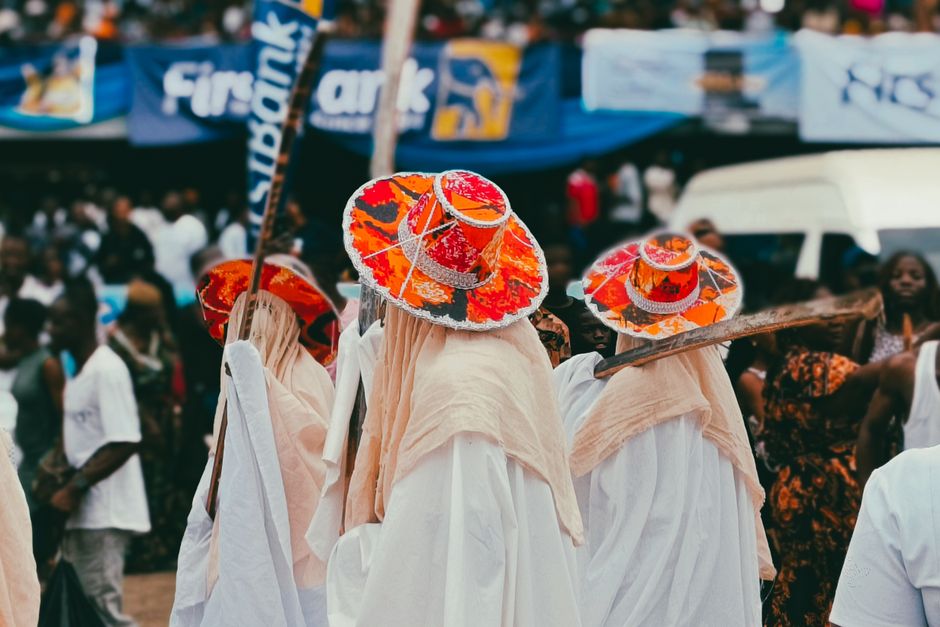
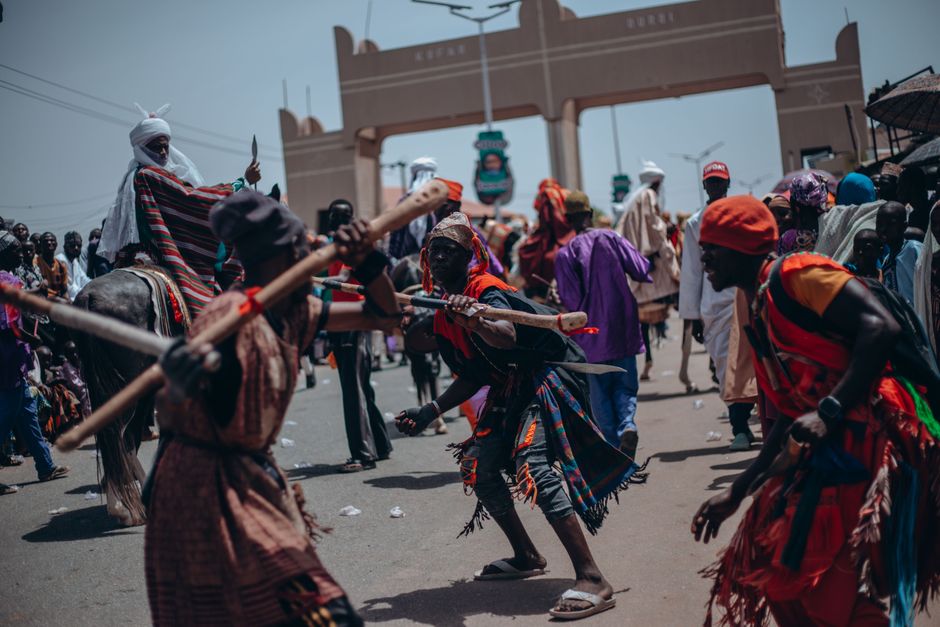
East Africa is a region bursting with cultural richness and diversity, offering a plethora of experiences that are as educational as they are entertaining. From the rhythmic beats of traditional music to the vibrant colors of local markets, East African culture is a treasure trove waiting to be explored. Whether you're a Nigerian traveler seeking new adventures or someone with a keen interest in cultural histories, East Africa has something to captivate every curious mind.
We'll take you on a journey through some of East Africa's most intriguing cultural highlights. You'll discover the stories behind traditional dances, the flavors of local cuisines, and the timeless allure of historic sites. So, strap in as we embark on a cultural odyssey across this fascinating region.
The Rhythms and Dances of East Africa
Music and dance play an integral role in East African culture, serving as a bridge that connects communities and preserves history. Each country in the region boasts its unique styles and traditions that reflect its heritage.
Traditional Music
In countries like Kenya and Uganda, traditional music is deeply rooted in everyday life. Instruments such as the nyatiti and kalimba are often used to create melodious tunes that accompany storytelling and celebrations.
Music is not just entertainment; it's a way of life that captures the spirit of the people. Many East African songs tell stories of love, hardship, and triumph, offering listeners a glimpse into the lives of the artists and their communities.
Vibrant Dance Styles
When it comes to dance, the Maasai warrior dance is one of the most iconic. Known for its high jumps and energetic movements, it's a spectacle that embodies strength and unity.
Similarly, the kikuyu dance from Kenya is characterized by its rhythmic footwork and vibrant costumes. Both styles display the physical prowess and artistic creativity inherent in East African culture.
Culinary Delights: A Taste of East Africa
Food is a fundamental part of East African life, offering a delicious lens through which one can experience the region's diverse cultural influences.
Staple Dishes
- Ugali: A cornmeal staple enjoyed across East Africa, often served with meat, vegetables, or stew.
- Nyama Choma: Literally translating to 'roasted meat', this dish is a favorite for gatherings and celebrations.
- Matoke: A dish made from cooked bananas, particularly popular in Uganda and Rwanda.
These dishes not only satisfy the palate but also tell stories of local agriculture and traditional cooking methods passed down through generations.
Influences and Innovations
East African cuisine has been shaped by a myriad of influences, from Indian spices to Arabic cooking techniques. This fusion has resulted in dishes that are as aromatic as they are flavorful.
Modern chefs in cities like Nairobi and Dar es Salaam are now experimenting by blending traditional ingredients with contemporary culinary techniques, creating exciting new dishes that pay homage to their roots while appealing to global palates.
Historical Sites: Echoes of the Past
The history of East Africa is as diverse and expansive as its landscapes. The region is home to numerous historical sites that offer insights into its rich past.
Ancient Ruins
In Tanzania, the ruins of Kilwa Kisiwani tell the story of a once-thriving Swahili city-state that was a hub of trade and culture during the medieval period.
Similarly, the Gedi Ruins in Kenya provide a fascinating glimpse into the life of a 12th-century settlement, complete with a mosque and palace.
Cultural Monuments
Uganda's Kasubi Tombs, a UNESCO World Heritage site, serve as a royal burial ground for Buganda kings, illustrating the depth of traditional Bugandan culture and history.
These sites not only offer a window into the past but also serve as a reminder of the resilience and ingenuity of the people who shaped the region.
Crafts and Art: The Soulful Expression
From intricate beadwork to bold paintings, art in East Africa is a vibrant and soulful expression of the region's identity.
Handicrafts
Markets are brimming with handmade crafts such as Maasai jewelry and Kitenge fabrics, each piece telling a story of cultural significance and artistic skill.
Art is often the lens through which a culture reveals its soul, and East African art is no exception.
Contemporary Art Scene
The modern art scene in East Africa is thriving, with galleries in cities like Kigali and Kampala showcasing works that explore contemporary issues and celebrate cultural heritage.
Artists are experimenting with new forms and mediums, pushing boundaries while staying rooted in tradition.
Conclusion
East African culture is a vibrant tapestry woven with history, music, art, and culinary delights. Exploring this region offers a deeper understanding of its people and their way of life. Whether through the beats of a traditional drum or the taste of a local delicacy, East Africa promises an enriching experience that resonates with travelers from all walks of life.
For Nigerian travelers eager to expand their cultural horizons, East Africa offers a myriad of opportunities to learn, experience, and connect with a different yet familiar African heritage.