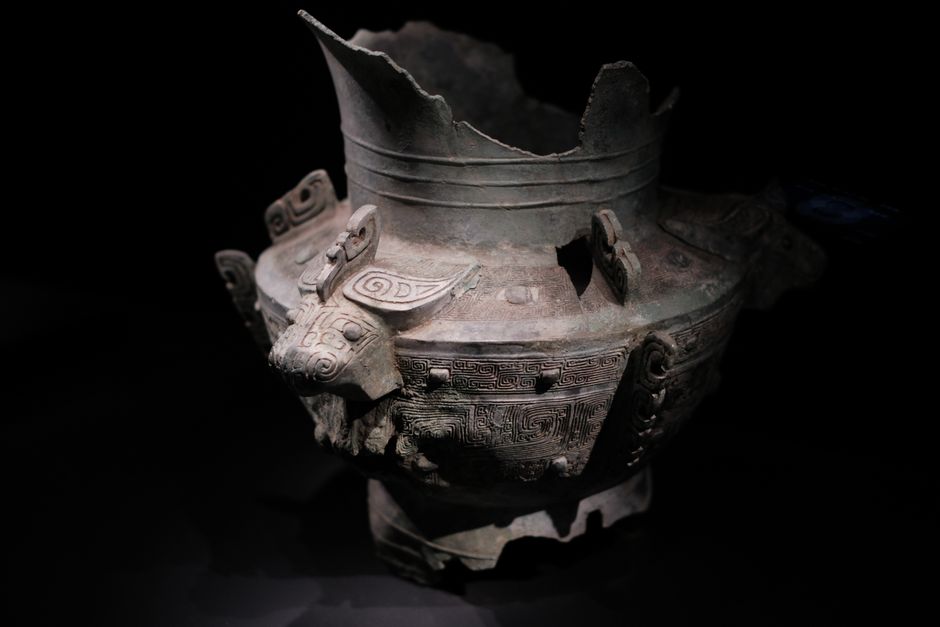
In the heart of West Africa, nestled within the vibrant city of Benin City, lies a cultural treasure trove that has fascinated historians, art enthusiasts, and travelers alike. The ancient art of bronze casting, a practice that dates back to the 13th century, is as intriguing as it is beautiful. For many Nigerian readers, this is not just about art; it's a celebration of a rich cultural heritage that has withstood the test of time, offering a window into the splendor of African civilization. From the intricate designs of the bronzes to the stories they tell, exploring Benin Bronze casting is a journey through history, culture, and artistry.
The Benin bronzes have often been hailed as masterpieces of African art, showcasing the artistic prowess and skillful craftsmanship of their creators. These artworks are not only aesthetically pleasing but also serve as historical records of the Benin Kingdom, depicting scenes of royal life, battles, and ceremonial events. As we delve into this fascinating world, we will uncover the techniques behind bronze casting, the cultural significance of these artifacts, and how they continue to inspire new generations of artists today.
The History of Benin Bronze Casting
The art of bronze casting in Benin has a storied past that intertwines with the history of the Benin Empire. The tradition is believed to have begun in the 13th century, under the reign of the Oba Oguola. However, it was during the 15th and 16th centuries, under the rule of Oba Ewuare the Great, that the craft truly flourished.
The Rise of the Benin Empire
During this period, the Benin Empire was at the height of its power, a center of commerce and culture in West Africa. The bronzes served not only as art but also as symbols of power and prestige, used to decorate the royal palace and as gifts to dignitaries and foreign visitors.
The Influence of Portuguese Trade
The arrival of the Portuguese in the late 15th century marked a new era for Benin Bronze casting. The exchange of goods and ideas with European traders brought new techniques and materials, enriching the craftsmanship of the Benin casters.
The intricate artistry of Benin bronzes remains a testament to the cultural exchange between Africa and Europe, illustrating the dynamic interactions that shaped the region's history.
The Techniques Behind Bronze Casting
The process of creating a Benin bronze is as intricate as the final product itself. The traditional method, known as the lost-wax casting technique, involves several complex steps that require immense skill and precision.
Creating the Wax Model
First, a detailed wax model of the desired sculpture is created. This model is an exact representation of the final piece, capturing every detail and nuance that the artist wishes to convey.
Molding and Casting
Next, the wax model is coated with a mixture of clay and sand to create a mold. Once the mold hardens, it is heated, allowing the wax to melt and drain away, leaving a cavity in the shape of the artwork. Molten bronze is then poured into this cavity, where it cools and solidifies.
"The lost-wax casting technique is not just a method; it's an art form that marries patience with precision, resulting in timeless creations." — Expert Caster
Finishing Touches
Once the bronze has cooled, the mold is broken away to reveal the sculpture. The piece is then polished and intricately detailed by hand, bringing it to life in gleaming bronze.
Cultural Significance of Benin Bronzes
Beyond their aesthetic value, Benin bronzes are imbued with profound cultural and historical significance. They serve as an enduring symbol of the Benin Kingdom's rich legacy and the resilience of its people.
Royal Representation and Storytelling
The bronzes were primarily used to depict the Oba (king) and his court, immortalizing their reigns and accomplishments. They were also used to narrate historical events, such as battles and diplomatic missions, preserving the empire's history for posterity.
Spiritual and Ritualistic Elements
Many bronzes also hold spiritual significance, often used in rituals and ceremonies to honor ancestors, deities, and the Oba, reflecting the deep spiritual beliefs of the Benin people.
The Modern Impact and Legacy
Today, the legacy of Benin Bronze casting continues to thrive, inspiring contemporary African artists and captivating audiences worldwide.
Global Recognition and Repatriation Efforts
In recent years, there has been a growing movement to return Benin bronzes, taken during colonial times, to their rightful home. This effort underscores the importance of these artifacts as cultural heritage and their rightful place in Nigerian history.
Inspiring a New Generation
Contemporary artists in Nigeria and beyond draw inspiration from the techniques and motifs of Benin bronzes, creating works that honor tradition while exploring new themes and narratives.
"As we reclaim our past, we shape our future, ensuring that the art of our ancestors continues to inspire and educate." — Modern Nigerian Artist
Conclusion
The art of Benin Bronze casting is a testament to the ingenuity and creativity of the African people. It stands as a proud symbol of cultural identity, historical significance, and artistic excellence. For those who explore this rich heritage, the journey is not just about admiring beautiful sculptures; it's about connecting with a legacy that continues to inspire and resonate across generations. As we celebrate this vibrant part of African culture, it reminds us of the enduring power of art to transcend time and borders, telling stories that enrich our understanding of the world and ourselves.