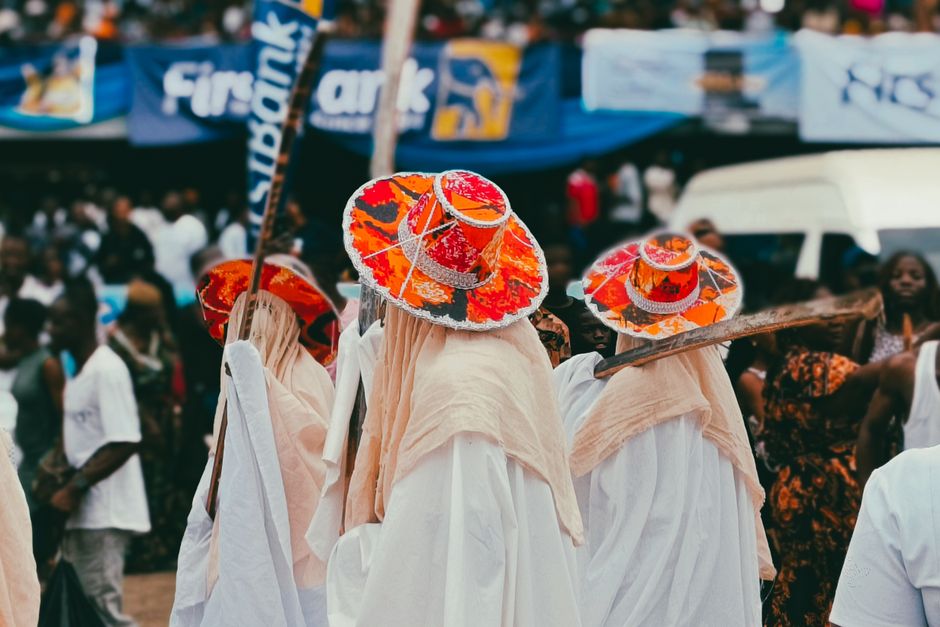
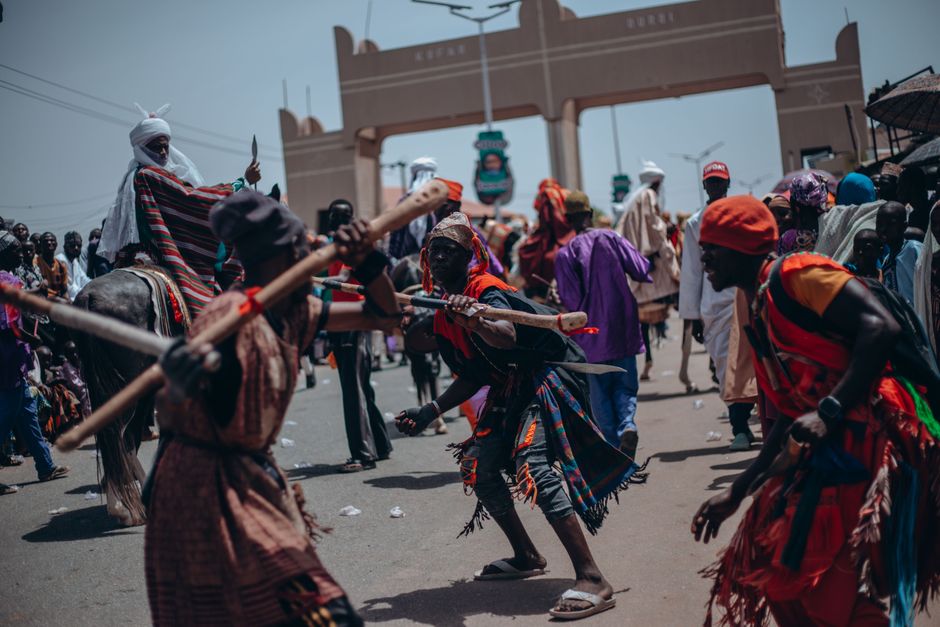
Nigeria, Africa's most populous nation, is a captivating mosaic of cultures, languages, and traditions. With over 250 ethnic groups, each celebrating its unique heritage, Nigeria stands as a testament to Africa's rich cultural diversity. For Nigerian readers, exploring the depth of their own cultural roots can be both enlightening and inspiring. Whether it's the rhythmic beats of traditional music, the vibrant colors of local festivals, or the intricate details of cultural attire, Nigeria offers a plethora of experiences that speak to the soul.
In this article, we delve deep into the enchanting cultural landscape of Nigeria. From the Yoruba's rich history to the Igbo's vibrant festivals, we explore the customs and traditions that make Nigeria a cultural powerhouse. Join us as we embark on a journey through this fascinating country, uncovering the stories and practices that have shaped its identity over centuries.
The Diversity of Nigerian Ethnic Groups
Yoruba: A Tapestry of Tradition and Modernity
The Yoruba people, primarily found in southwestern Nigeria, are renowned for their rich cultural heritage that seamlessly blends tradition and modernity. Whether it's the traditional art forms, such as the famous talking drums, or the elaborate ceremonies and festivals, the Yoruba culture is a vibrant expression of creativity and resilience.
Igbo: Celebrating Heritage Through Festivals
The Igbo people, located in southeastern Nigeria, are known for their entrepreneurial spirit and vibrant festivals. The New Yam Festival, celebrated annually, is a testament to their agricultural roots and community spirit. It's a time of thanksgiving, feasting, and cultural performances that showcase the Igbo's rich traditions.
Hausa-Fulani: A Legacy of Hospitality and Unity
The Hausa-Fulani, predominantly in northern Nigeria, are celebrated for their hospitality and sense of community. Their culture is deeply intertwined with Islamic traditions, offering a unique blend of religious practices and cultural heritage. From the Durbar festivals to traditional attire, the Hausa-Fulani culture is a fascinating study of unity in diversity.
Nigerian Festivals: A Rainbow of Colors and Sounds
Lagos Carnival: A Fusion of Cultures
The Lagos Carnival, often referred to as the 'Rio of Africa,' is a vibrant display of Nigeria's cultural diversity. Held annually, it features colorful parades, music, and dance, bringing together people from different backgrounds to celebrate unity.
Osun-Osogbo Festival: A Spiritual Journey
The Osun-Osogbo Festival is a sacred event celebrated in honor of the river goddess Osun. It attracts pilgrims and tourists alike to the sacred grove in Osogbo, a UNESCO World Heritage site, offering a spiritual retreat amidst cultural festivities.
Argungu Fishing Festival: A Unique Cultural Experience
Held in Kebbi State, the Argungu Fishing Festival is a unique cultural event that highlights traditional fishing techniques and celebrates the region's aquatic heritage. Participants compete to catch the largest fish, culminating in a joyous celebration of local culture.
Traditional Attire: A Reflection of Identity
Ankara: The Fabric of Choice
Ankara, a vibrant and colorful fabric, is a staple in Nigerian fashion. Its bold prints and versatile designs make it a popular choice for both everyday wear and special occasions, reflecting the wearer's cultural identity and personal style.
Agbada: The Regal Attire
The Agbada is a traditional attire worn by men across Nigeria. Its flowing robes and intricate embroidery exude elegance and authority, often worn during ceremonies and important gatherings, symbolizing cultural pride and status.
Gele: The Crown of Elegance
Gele, a traditional headwrap worn by Nigerian women, is both a fashion statement and a cultural symbol. Its intricate wrapping styles and vibrant colors add flair to any outfit, making it a must-have accessory for cultural celebrations.
Cuisine: A Culinary Journey Through Nigeria
Jollof Rice: A National Favorite
No discussion about Nigerian culture is complete without mentioning Jollof rice. Often the centerpiece of celebrations, this flavorful dish is a beloved staple at parties and gatherings across the country.
Suya: The Nigerian Barbecue
Suya, a spicy meat skewer grilled to perfection, is a favorite street food enjoyed by many Nigerians. Its flavorful spices and smoky aroma make it a popular choice for socializing and enjoying casual evenings with friends and family.
Pounded Yam and Egusi: A Classic Pair
Pounded yam served with Egusi soup is a classic Nigerian dish that showcases the country's culinary heritage. This hearty meal is often enjoyed during family gatherings, reflecting the communal spirit of Nigerian dining.
The Role of Music and Dance in Nigerian Culture
Afrobeat: A Global Phenomenon
Originating in Nigeria, Afrobeat has taken the world by storm. Fela Kuti, the pioneer of this genre, used music as a form of political expression, blending traditional African rhythms with jazz and funk.
Traditional Dance: An Expression of Joy
Dance is an integral part of Nigerian culture, with each ethnic group having its unique style. From the energetic Bata dance of the Yoruba to the graceful Atilogwu dance of the Igbo, these performances are a celebration of life and identity.
Highlife: The Soundtrack of a Nation
Highlife music, characterized by its jazzy horns and uplifting beats, has been a staple in Nigerian music scenes for decades. It remains a popular genre, played at weddings and social gatherings, evoking a sense of nostalgia and cultural pride.
The rich cultural tapestry of Nigeria offers endless opportunities for exploration and discovery. From its diverse ethnic traditions to its vibrant festivals and music, Nigeria invites you to immerse yourself in its unique and inspiring heritage.
Conclusion
Nigeria's cultural landscape is a testament to the country's diversity and resilience. By exploring its rich traditions and vibrant customs, one gains a deeper understanding of the nation's identity and the values that bind its people together. As you journey through the various facets of Nigerian culture, you'll discover a world of color, rhythm, and spirit that resonates with the heartbeat of Africa.
Whether you're attending a lively festival, savoring a traditional meal, or simply enjoying the sounds of Afrobeat, Nigeria offers a cultural experience like no other. Embrace the opportunity to connect with this dynamic culture and celebrate the richness of Africa's heritage.