Nigeria, a country known for its vibrant culture and rich traditions, is a must-visit for anyone looking to explore the heart and soul of Africa. Whether it's the rhythmic beats of traditional music or the tantalizing flavors of local cuisine, Nigeria offers a cultural experience like no other. As you embark on this journey through Nigeria's cultural landscape, prepare to be captivated by the warm hospitality and diverse heritage that makes this nation unique.
For those in search of cultural immersion, Nigeria is a land of endless possibilities. With over 250 ethnic groups, each with its own distinct traditions, languages, and customs, Nigeria presents a tapestry of experiences waiting to be unraveled. From the bustling streets of Lagos to the serene landscapes of the Niger Delta, every corner of this country holds a story etched in history and culture.
In this guide, we'll delve into some of the most fascinating cultural aspects of Nigeria. Whether you're planning a visit or simply curious about this West African gem, you'll find practical insights and tips to help you make the most of your cultural exploration.
Traditional Festivals in Nigeria
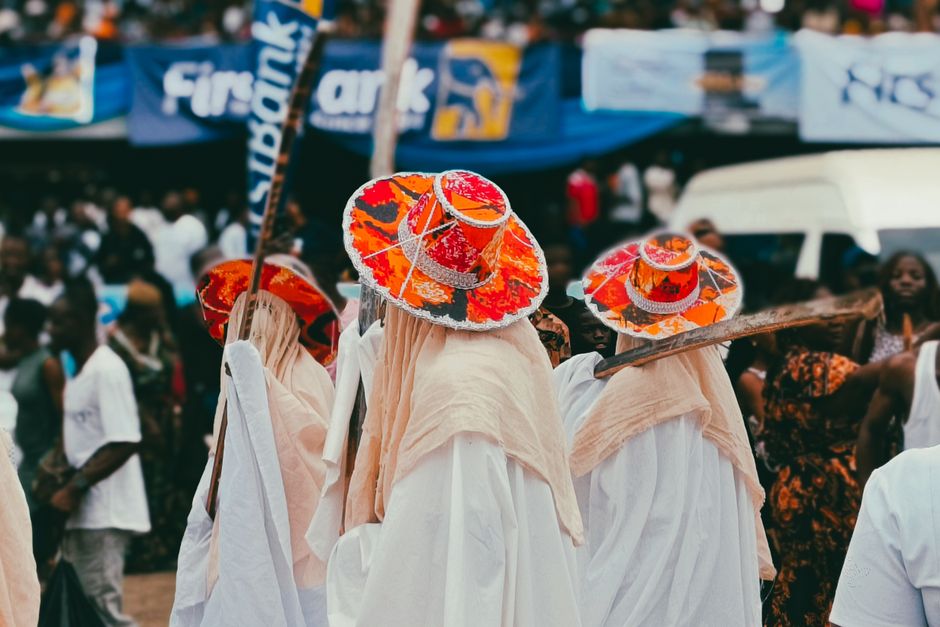
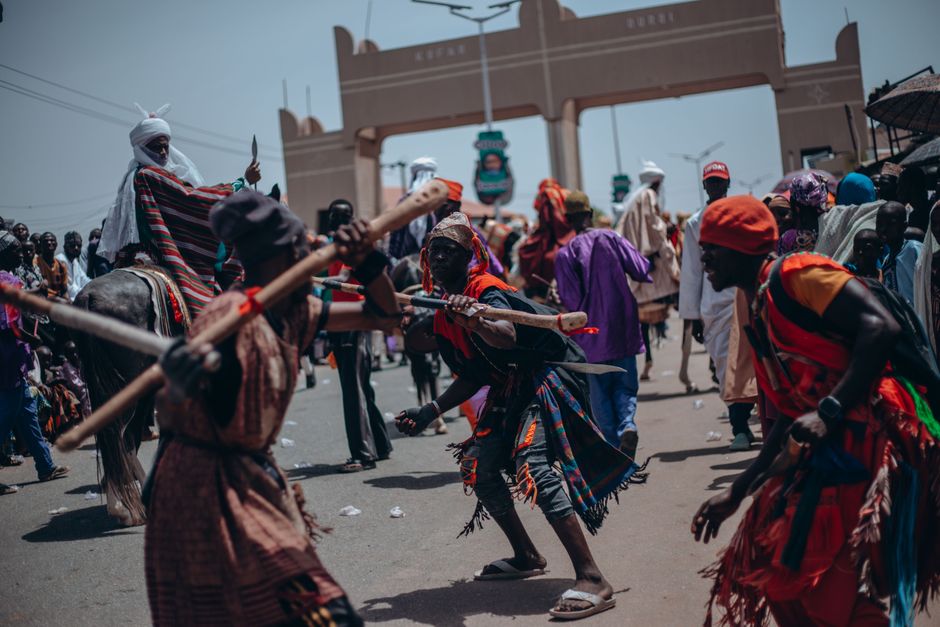
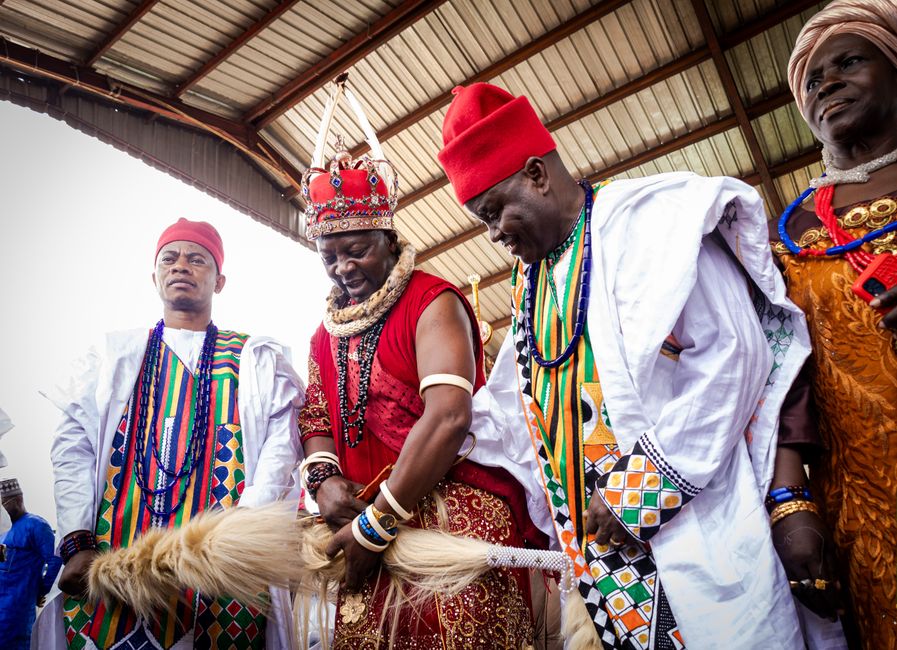
Nigeria is home to a plethora of traditional festivals that offer a glimpse into the country's diverse cultural heritage. These festivals provide an opportunity for locals and visitors alike to celebrate, learn, and enjoy the vibrant traditions that have been passed down through generations.
The Argungu Fishing Festival
The Argungu Fishing Festival, held in Kebbi State, is one of the most famous festivals in Nigeria. This annual event draws thousands of spectators who gather to witness fishermen compete to catch the largest fish. The festival not only showcases the traditional fishing techniques of the Hausa people but also includes music, dance, and cultural displays.
Osun-Osogbo Festival
The Osun-Osogbo Festival is a two-week cultural festival held in Osogbo, Osun State, in honor of the river goddess Osun. This UNESCO-recognized event attracts visitors from across the globe, who come to partake in the colorful processions, sacred rituals, and lively celebrations that honor this revered deity.
Nigerian Cuisine: A Culinary Adventure
Nigerian cuisine is a reflection of the country's cultural diversity, offering a wide array of flavors and dishes that are sure to tantalize any palate. With an emphasis on fresh ingredients and bold spices, Nigerian food is both flavorful and hearty.
Jollof Rice: A National Favorite
Jollof rice is arguably the most iconic dish in Nigeria. This savory rice dish, cooked with tomatoes, onions, and a blend of spices, is a staple at any Nigerian gathering. Often served with fried plantains, grilled chicken, or fish, it is a must-try for anyone visiting the country.
Pepper Soup
Pepper soup is a spicy, brothy dish typically made with fish or goat meat. Known for its fiery flavor, this soup is often enjoyed as a starter or a main dish. It's a popular choice among locals, especially during the cooler months.
The Music and Dance of Nigeria
Music and dance are integral parts of Nigerian culture, with a rich history that spans centuries. From traditional drumming to contemporary Afrobeat, Nigeria's music scene is as diverse as its people.
Afrobeat: A Global Phenomenon
Afrobeat, a music genre that combines elements of traditional African music with jazz, funk, and highlife, was popularized by Nigerian musician Fela Kuti. Today, it continues to influence artists worldwide and remains a significant part of Nigeria's cultural identity.
Traditional Dance
Nigerian traditional dances are often performed at festivals and celebrations. Each ethnic group has its own unique dance styles, characterized by intricate footwork, colorful costumes, and dynamic rhythms. Popular dances include the Yoruba Bata dance and the Igbo Atilogwu dance.
The Art and Crafts of Nigeria
Nigerian art and crafts are an expression of the country's cultural diversity and creativity. From intricate beadwork to vibrant paintings, Nigerian artists draw inspiration from their rich heritage to create stunning pieces of art.
Pottery and Ceramics
Nigeria has a long tradition of pottery, with skills passed down through generations. The famous Nok terracotta sculptures, dating back to 1000 BC, highlight the skillful artistry of ancient Nigerian potters.
Textiles and Fashion
Nigerian textiles are known for their vibrant colors and intricate patterns. The traditional Aso Oke fabric, worn by the Yoruba people, is often used to make garments for special occasions. Nigerian fashion designers continue to gain international recognition for their innovative designs that blend traditional fabrics with modern styles.
Final Thoughts
Nigeria is a land of cultural richness and diversity, offering endless opportunities for exploration and discovery. Whether you're attending a vibrant festival, savoring a delicious meal, or admiring the country's art and crafts, Nigeria's cultural treasures will leave a lasting impression. As you delve into the heart of Nigeria, you'll find that its hospitality, traditions, and creativity are truly unmatched, making it a destination worth visiting for any cultural enthusiast.