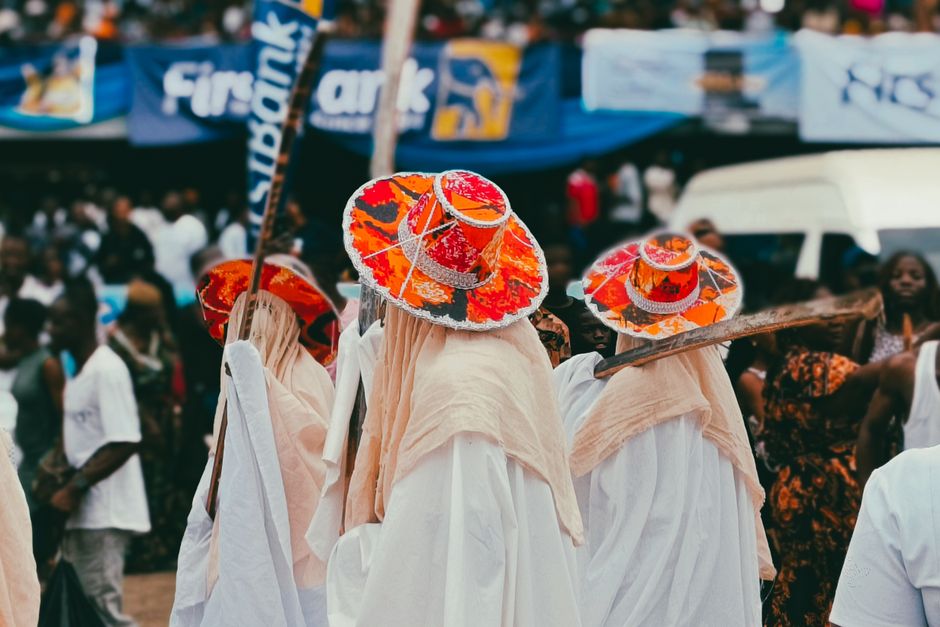
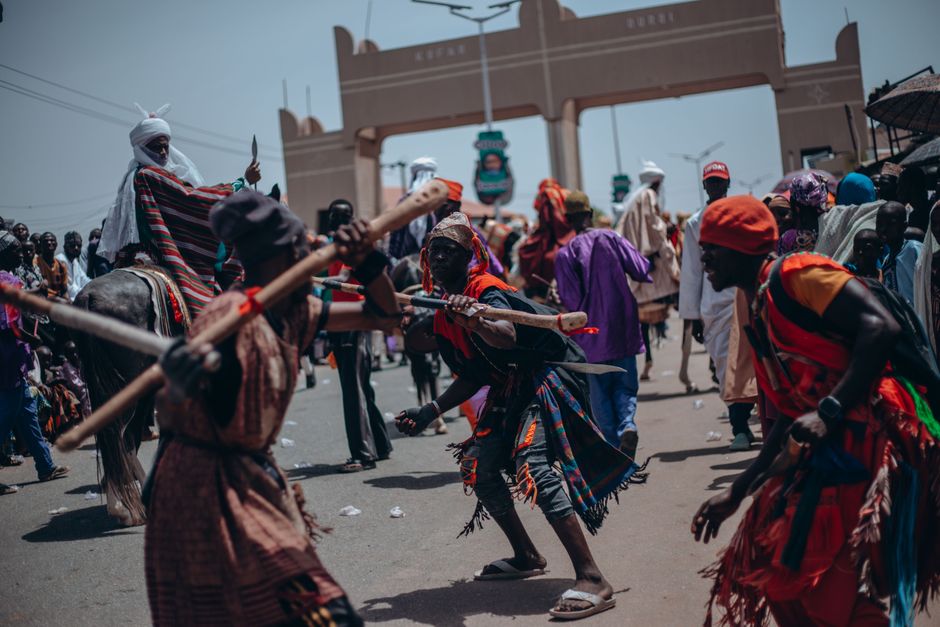
East Africa, a region brimming with diversity and vibrance, offers a fascinating journey into the heart of African cultures. From the rhythmic beats of traditional music to the colorful fabrics that adorn the locals, every corner of East Africa tells a story. As you navigate through these cultural landscapes, you will encounter a blend of ancient traditions and modern influences, creating a unique tapestry that is as diverse as it is beautiful. For Nigerian travelers, exploring East Africa offers not just a chance to witness new cultures, but also to find remarkable parallels and shared heritages.
Whether you're strolling through the bustling markets of Kenya, attending a traditional dance festival in Tanzania, or sampling spicy dishes in Uganda, East Africa promises an adventure that captivates the senses and enriches the soul. This guide will take you through essential cultural experiences in East Africa, offering tips and insights to make your journey unforgettable.
Discovering East African Traditions
Music and Dance
Music and dance are integral to East African cultures. Each country boasts its own unique styles, yet there exists a shared appreciation for rhythm and movement throughout the region.
- Taarab Music in Zanzibar: Combining Arabic, Indian, and African influences, Taarab music is a soulful experience that you can enjoy during festivals or local performances.
- Ugandan Traditional Dance: Experience the vibrant energy of the Kiganda dance or the soulful sounds of the Akogo, which are deeply rooted in Ugandan history.
Traditional Attire
The traditional attire in East Africa is as varied as the cultures themselves. From the Maasai shuka to the Kitenge, each garment tells its own story.
- Maasai Shuka: Known for their bright colors and patterns, the shuka is a symbol of the Maasai people, often worn during ceremonies.
- Kitenge: A popular fabric used across East Africa, Kitenge is often worn in vibrant prints and colors, similar to Ankara in Nigeria.
Culinary Delights of East Africa
Kenyan Cuisine
Kenya offers a culinary experience that is both diverse and tantalizing. From hearty stews to fresh seafood, the country's cuisine reflects its rich cultural heritage.
- Nyama Choma: This popular grilled meat dish is a must-try, often accompanied by ugali and kachumbari.
- Swahili Dishes: Influenced by Arab and Indian flavors, dishes like biryani and pilau are staples on the Kenyan coast.
Traditional Beverages
East African beverages offer a taste of the region's diverse produce and traditional brewing methods.
- Chai Tea: A staple in many East African homes, chai tea is often brewed with spices such as cardamom and ginger.
- Banana Beer: Known as "mbege" in Tanzania, this traditional beer is brewed using bananas and millet.
Cultural Festivals and Celebrations
Festivals in Tanzania
Tanzania's festivals are vibrant celebrations that showcase the country's rich cultural heritage. Whether you're interested in music, art, or traditional customs, there is a festival for you.
- Serengeti Cultural Festival: This festival celebrates the traditions of various ethnic groups through music, dance, and art exhibitions.
- Zanzibar International Film Festival: A convergence of filmmakers and artists from across the African continent, showcasing cultural stories through film.
Ugandan Celebrations
Ugandan festivals offer a glimpse into the country's rich cultural and religious diversity.
- Kabaka's Birthday: A celebration of the king's birthday, filled with traditional performances and community gatherings.
- Imbalu Ceremony: A coming-of-age ritual among the Bamasaba people, celebrated with music and dance.
Engaging with Local Communities
Responsible Tourism
Engaging with local communities in a respectful and sustainable manner is key to a meaningful travel experience in East Africa.
- Support Local Artisans: Purchase handmade crafts and textiles directly from artisans to support their livelihoods.
- Participate in Community Tours: Join tours led by local guides to gain deeper insights into the culture and support community development.
Language and Communication
Learning a few words in the local language can greatly enhance your interactions. Swahili is widely spoken across East Africa and knowing basic phrases can be very helpful.
"Understanding a few Swahili words can help bridge cultural gaps and make your interactions more meaningful."
Conclusion
East Africa offers a wealth of cultural experiences that are as enriching as they are diverse. For Nigerian travelers, exploring this region not only provides an opportunity to discover new traditions and histories but also to find connections that span the African continent. By embracing the vibrant cultures of East Africa, travelers can create memories that last a lifetime and return home with stories that inspire and educate.