Nigeria, a land bursting with diversity, is a tapestry of rich cultures, vibrant traditions, and modern influences. As Africa's most populous country, the nation's cultural diversity is unparalleled, with over 250 ethnic groups contributing to its unique identity. This diversity is not just a matter of statistics; it forms the very essence of what it means to be Nigerian and influences every aspect of life, from music and dance to fashion and food.
For Nigerian readers, understanding these cultural nuances is not only a matter of pride but also a crucial element in navigating modern life, where tradition meets innovation. Whether you're a student exploring your heritage or a professional seeking to understand your clientele better, delving into the heart of Nigerian culture provides valuable insights.
In this article, we will explore the traditional aspects of Nigerian culture, examine how modern influences are reshaping these traditions, and highlight the impact on both local and global scales.
The Rich Tapestry of Nigerian Culture
Historical Overview
Nigeria's history is a vibrant patchwork of ancient civilizations, including the Nok culture, the Ife and Benin Kingdoms, and the Sokoto Caliphate. Each has left indelible marks on the nation's cultural landscape, manifesting through art, religion, and architecture.
The Nok culture, dating back to 1000 BC, is known for its terracotta sculptures, a testament to the artistic prowess that has persisted through the centuries. Meanwhile, the Benin Kingdom's bronze casting techniques continue to influence contemporary art forms.
Ethnic Diversity
With over 250 ethnic groups, Nigeria is a melting pot of languages, traditions, and customs. The three largest ethnic groups are the Yoruba, Hausa-Fulani, and Igbo, each contributing distinct elements to the national culture.
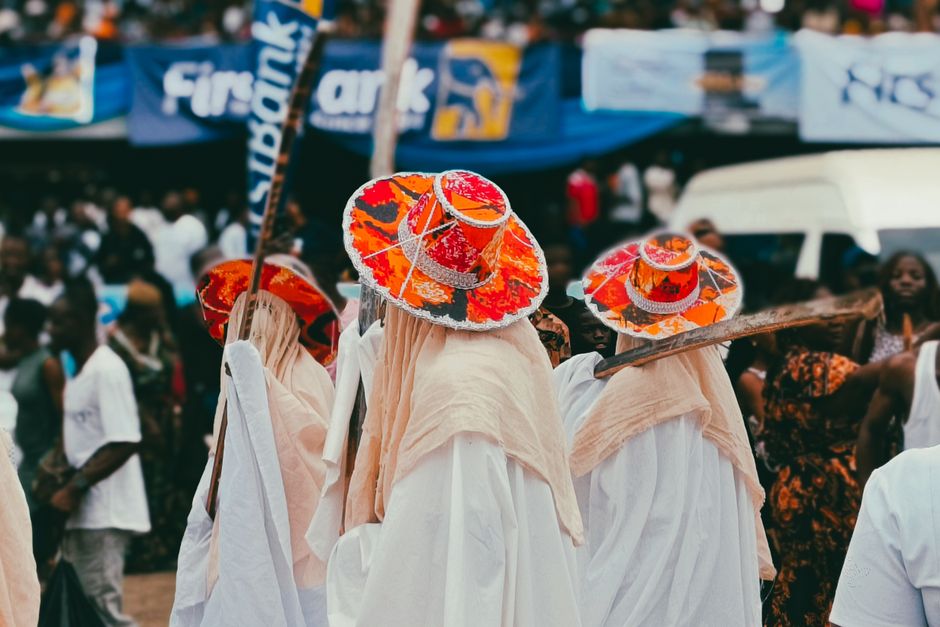
- Yoruba: Known for their rich mythology, traditional religions like Ifá, and vibrant festivals such as the Eyo Festival.
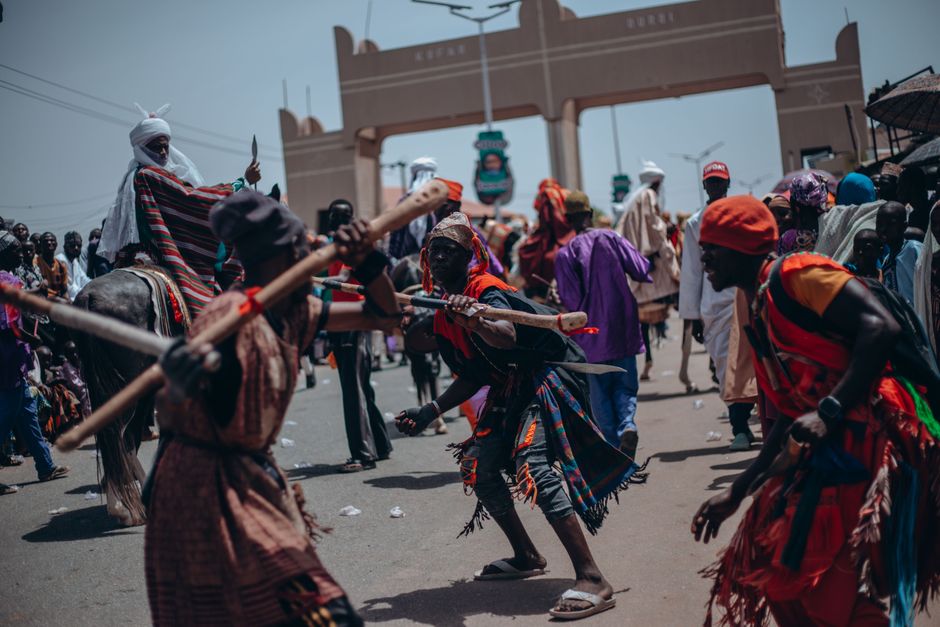
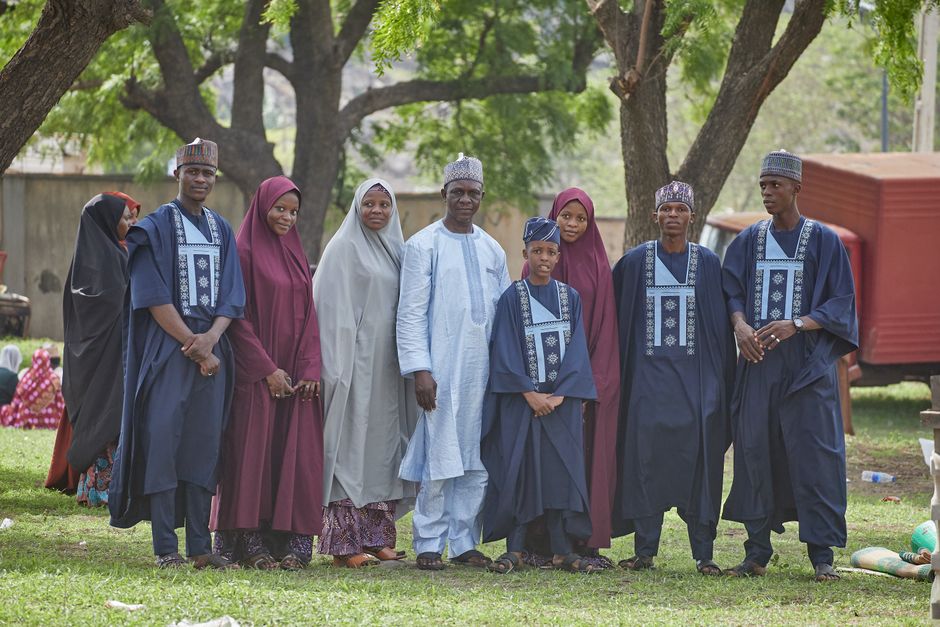
- Hausa-Fulani: Predominantly Muslim, their culture is influenced by Islamic traditions, manifesting in their music, fashion, and festivals like Durbar.
- Igbo: Renowned for their entrepreneurial spirit, traditional masquerades, and the New Yam Festival.
Modern Influences on Traditional Culture
Fashion and Art
Nigerian fashion has become a global phenomenon, with designers like Deola Sagoe and Maki Oh gaining international recognition. Traditional attire such as the Yoruba's Aso Oke and the Igbo's George fabric are being reimagined for contemporary audiences, blending cultural heritage with modern trends.
"Fashion is a language. Some know it, some learn it, and some never will." – Deola Sagoe
In art, the legacy of Nok and Benin continues to inspire, but modern artists are incorporating digital media and technology, creating a new, vibrant narrative that speaks to both local and international audiences.
Music and Film
The Nigerian music scene, particularly Afrobeats, has taken the world by storm. Artists like Burna Boy, Wizkid, and Davido blend traditional rhythms with contemporary sounds, creating a genre that resonates globally.
The Nollywood film industry, the second largest in the world, serves as a cultural ambassador, showcasing Nigerian stories and values to a global audience. With themes ranging from family drama to supernatural myths, Nollywood films highlight the complexities of Nigerian life.
The Impact of Culture on Daily Life
Cuisine
Nigerian cuisine is a delightful mélange of flavors, heavily influenced by its diverse ethnic makeup. Staples like Jollof rice, Suya, and Egusi soup are not just meals but cultural experiences that tell stories of tradition and community.
Family and Social Structures
Family is the bedrock of Nigerian society, with extended family ties playing a crucial role in social and economic life. Traditional values emphasize respect for elders, communal living, and collective responsibility, influencing everything from housing arrangements to business operations.
Global Perceptions and Nigerian Influence Abroad
Soft Power and Cultural Exports
Nigeria's cultural exports, from music to fashion, have positioned it as a leader in African soft power. This cultural influence is reshaping perceptions of Africa globally, showcasing the continent's vibrancy and creativity.
The Diaspora's Role
The Nigerian diaspora plays a significant role in promoting the nation's culture abroad. Through initiatives like the African Cultural Festival in the UK and the Nigerian American Cultural Expo in the US, the diaspora celebrates and spreads Nigerian culture, fostering a greater appreciation and understanding worldwide.
Conclusion
Nigerian culture is a dynamic blend of tradition and modernity, constantly evolving yet deeply rooted in its rich history. For Nigerian readers, embracing this cultural diversity is not only a source of pride but also a powerful tool for navigating a rapidly changing world. As Nigeria continues to exert its influence globally, understanding and preserving its cultural heritage remains more important than ever.
By exploring the intricate details of Nigerian culture, we gain a deeper appreciation of its complexities and contributions, both locally and globally. Whether through music, fashion, or family values, Nigerian culture continues to shine brightly, illuminating the path forward for future generations.