West Africa is a region teeming with vibrant cultures, bustling cities, and a kaleidoscope of experiences waiting to be discovered. One of the most compelling aspects of West African life is its markets. These markets are not just places to buy and sell goods; they are social hubs, cultural melting pots, and windows into the soul of the region. For Nigerian travelers and those across the globe, exploring these markets offers a chance to experience the authentic and diverse cultures of West Africa.
Whether you're wandering through the bustling stalls of Lagos or exploring the historic markets of Dakar, each market tells a story. They are places where tradition meets modernity, and where you can find everything from handcrafted goods to exotic spices. With so much to offer, West African markets are a must-visit for anyone looking to immerse themselves in the local culture.
In this article, we’ll take you on a journey through some of the most fascinating markets in West Africa. From tips on what to buy to insights into the cultural significance of these markets, we’ve got you covered.
The Allure of West African Markets
History and Cultural Significance
Markets have always played a crucial role in West African societies. Historically, they served not only as economic centers but also as places where communities could gather, share news, and celebrate cultural events. Many markets have been operating for centuries, with their origins tracing back to ancient trade routes that connected different parts of the continent.
In Nigeria, for example, markets like Balogun in Lagos have become iconic landmarks. They reflect the country's rich history and its role as a major trading hub. Similarly, the Marché Sandaga in Dakar is not only a market but also a cultural institution, offering insights into Senegalese life and traditions.
The Vibrant Atmosphere
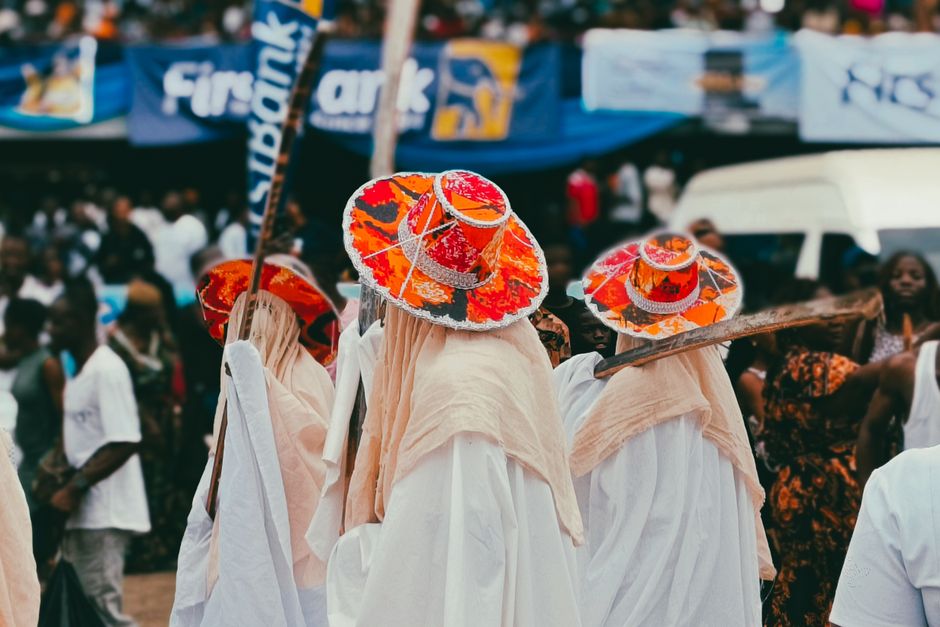
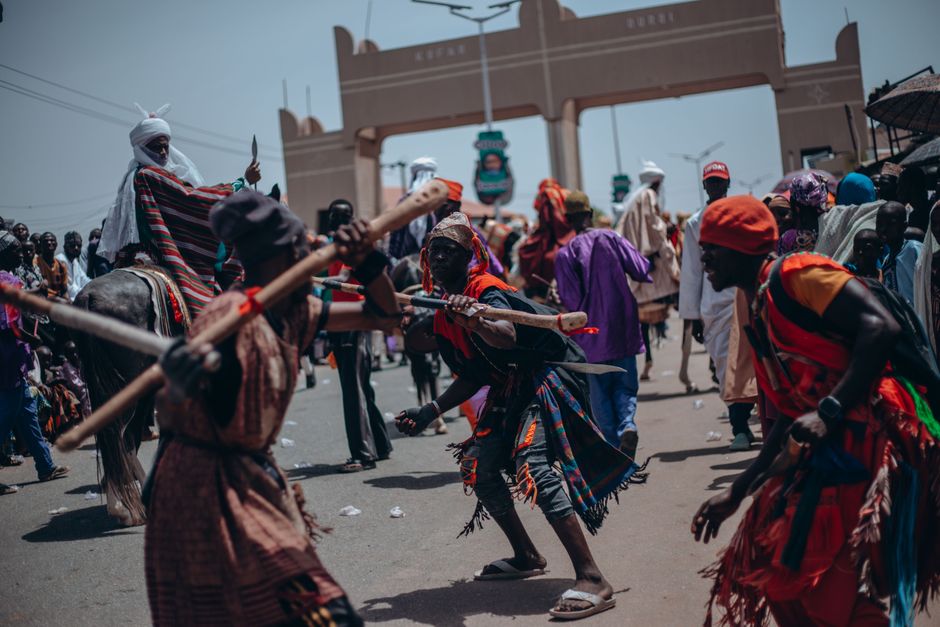
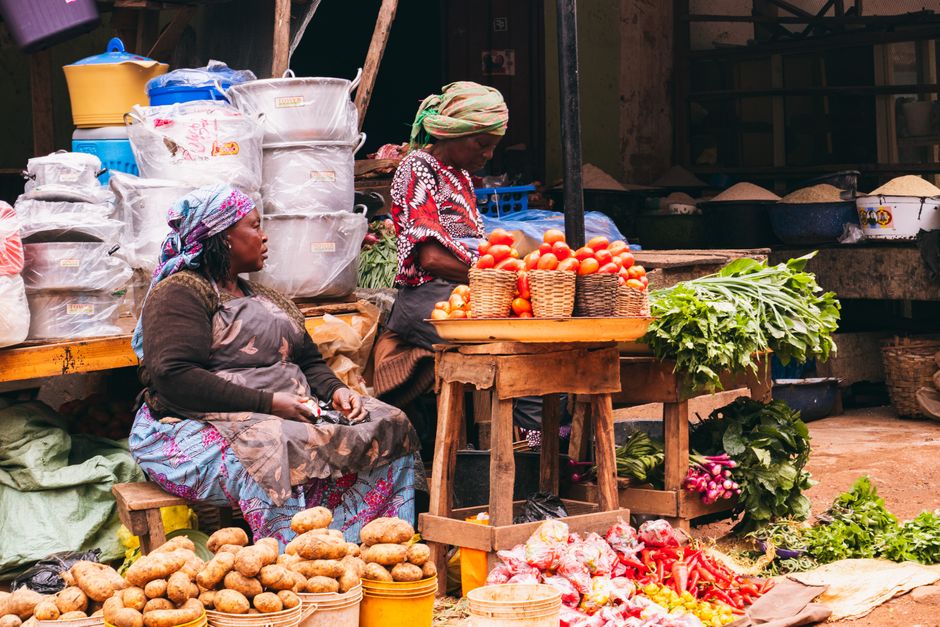
One of the first things you'll notice when visiting a West African market is the vibrant atmosphere. The air is filled with the sounds of vendors calling out to customers, the clinking of coins, and the laughter of people haggling for goods. The colors are equally captivating, with stalls bursting with fresh produce, textiles, and handcrafted goods.
"Visiting a West African market is like stepping into a living canvas where every sight, sound, and smell tells a story."
This lively environment is both exhilarating and overwhelming, but it’s all part of the experience. To make the most of your visit, take the time to soak it all in and interact with the vendors. They are often more than willing to share stories about their products and the market's history.
What to Buy in West African Markets
Textiles and Clothing
West African markets are renowned for their textiles. From the vibrant prints of ankara to the luxurious feel of handwoven kente cloth, there is no shortage of beautiful fabrics to choose from. These textiles are not only used for clothing but also for creating art and home decor.
- Ankara: Known for its colorful patterns, ankara is widely used in Nigerian fashion and beyond.
- Kente: Originating from Ghana, kente cloth is often worn during special ceremonies due to its cultural significance.
Art and Handicrafts
Markets are also great places to find unique art and handicrafts. From intricately carved wooden statues to beautifully painted canvases, these items make for perfect souvenirs or home decorations.
- Wooden Sculptures: Often depicting scenes from daily life or spiritual motifs, these sculptures are a testament to the region's artistic heritage.
- Beaded Jewelry: Handcrafted with colorful beads, these pieces are not only beautiful but also carry cultural significance.
Tips for Navigating West African Markets
Haggling Like a Pro
Haggling is an integral part of the market experience. While it might seem daunting at first, it’s actually a fun and expected practice. To haggle effectively, start by offering a price lower than the asking price and be prepared to meet somewhere in the middle.
"Remember, haggling is part of the culture, so don’t be shy. Approach it with a smile and a sense of humor."
Building a rapport with the vendor can also go a long way. A friendly conversation might result in a better deal and a more enjoyable experience.
Staying Safe and Aware
While West African markets are generally safe, it’s always wise to stay vigilant. Keep your belongings close and be aware of your surroundings. It's also helpful to travel in groups, especially if it's your first time visiting.
- Travel in groups: This can deter pickpockets and provide a more secure experience.
- Stay aware: Keep an eye on your belongings and be cautious of overly friendly strangers.
Experiencing the Local Cuisine
Street Food Delights
No market visit is complete without sampling the local street food. From spicy suya skewers to freshly prepared jollof rice, the culinary offerings are as diverse as they are delicious.
- Suya: A popular spicy meat skewer often served with onions and tomatoes.
- Jollof Rice: A staple dish in many West African countries, known for its rich flavors.
Traditional Beverages
Don’t forget to try some traditional beverages while you’re there. Drinks like zobo, made from hibiscus flowers, offer a refreshing way to cool down.
- Zobo: A tangy and refreshing drink, perfect for quenching your thirst.
- Palm Wine: A naturally fermented drink with a sweet and sour taste.
Conclusion
Exploring the markets of West Africa offers more than just a shopping experience. It’s a deep dive into the region's vibrant culture, history, and daily life. Whether you’re a seasoned traveler or planning your first adventure, these markets provide a unique insight into what makes West Africa so special. So pack your bags, put on your most comfortable walking shoes, and get ready to explore the colorful world of West African markets.