West Africa, a region brimming with cultural diversity and historical richness, offers a tapestry of experiences unlike any other. As a Nigerian traveler, exploring the cultural landscapes of West Africa feels like a journey through time, where every destination tells a story, every tradition lives on vibrantly, and every dish offers a taste of history. Whether you're witnessing the grand festivals that bring communities together or tasting the flavors that define the region, West Africa presents an unforgettable cultural adventure.
For Nigerians, understanding and appreciating the cultural similarities and differences within West Africa is not just about travel; it's about connecting with our roots. This article explores the distinctive cultural elements that make West Africa a fascinating destination, seen through the lens of a Nigerian visitor. From celebrating shared traditions to discovering unique cultural practices, join us on this journey through the heart of West African culture.
The Richness of West African Festivals
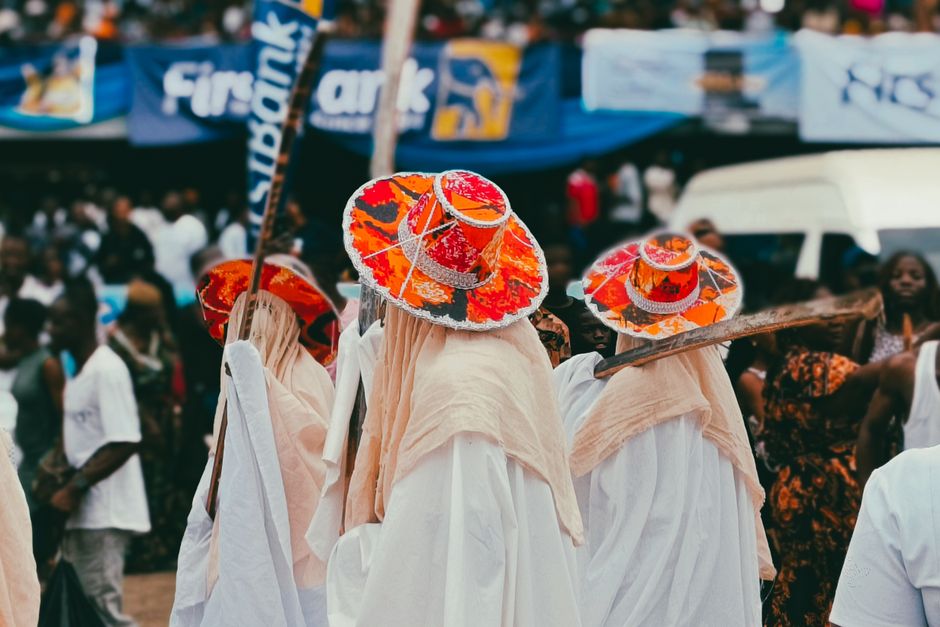
West Africa is renowned for its vibrant festivals, each offering a unique insight into the cultural heritage of its people. These festivals are not only celebrations but also a reflection of the region's diverse traditions and beliefs.
Yam Festivals
The yam festival is a significant event in many West African countries, particularly in Nigeria, Ghana, and Côte d'Ivoire. Celebrated annually, this festival marks the end of the rainy season and the beginning of the harvest period.
- Nigeria's New Yam Festival: Known as 'Iriji' or 'Iri Ji Ohuru,' this festival is celebrated by the Igbo people. It involves traditional ceremonies, dances, and communal feasts, symbolizing abundance and gratitude.
- Ghana's Homowo Festival: The Ga people of Ghana celebrate the Homowo festival to commemorate the end of a famine. It features traditional parades, dances, and the preparation of 'kpokpoi'—a special dish made from maize.
The yam festival is more than just a celebration; it is a time of thanksgiving, unity, and a reaffirmation of cultural identity.
Durbar Festivals
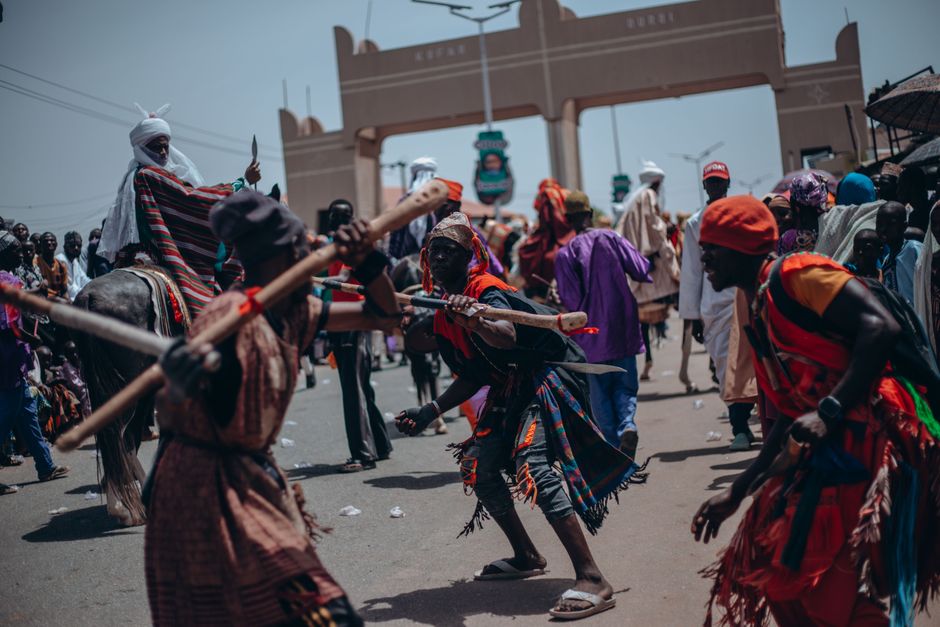
Durbar festivals are grand parades held in Nigeria and Niger. These events showcase horsemen dressed in elegant traditional attire, reflecting the region's rich history.
- Nigerian Durbar: Particularly prominent in the northern states, this festival is a display of horsemanship and traditional music, often held during religious celebrations like Eid al-Fitr and Eid al-Adha.
- Niger's Durbar: Similar to Nigeria, Niger's Durbar includes colorful displays of culture and tradition, attracting visitors from across the region.
These festivals are windows into the past, offering a glimpse into the traditions that have shaped West African societies.
Culinary Heritage of West Africa
West African cuisine is a delightful fusion of flavors and techniques, with each country offering its own distinct palate. For Nigerians, exploring the culinary scene of West Africa is a journey of familiar tastes and new discoveries.
Staple Ingredients
Staples like cassava, yams, rice, and plantains form the foundation of West African diets, often infused with spices and herbs that are native to the region.
- Nigerian Jollof Rice: Perhaps one of the most famous dishes, Jollof rice is a symbol of culinary pride, with each country claiming its own version. Nigerian Jollof is known for its rich flavor and vibrant color, made from tomatoes, peppers, and spices.
- Ghanaian Waakye: This is a beloved dish made from rice and beans, often served with boiled eggs, fried plantains, and various meats.
Unique Dishes
Beyond the staples, each country boasts unique dishes that are integral to its culinary identity.
- Ivorian Attiéké: A popular dish made from fermented cassava, often served with grilled fish or chicken.
- Senegalese Thieboudienne: Considered the national dish of Senegal, it consists of fish, rice, and vegetables cooked in a flavorful tomato-based sauce.
Exploring West African cuisine is a feast for the senses, offering both comfort and excitement with every bite.
Traditional Clothing and Fashion
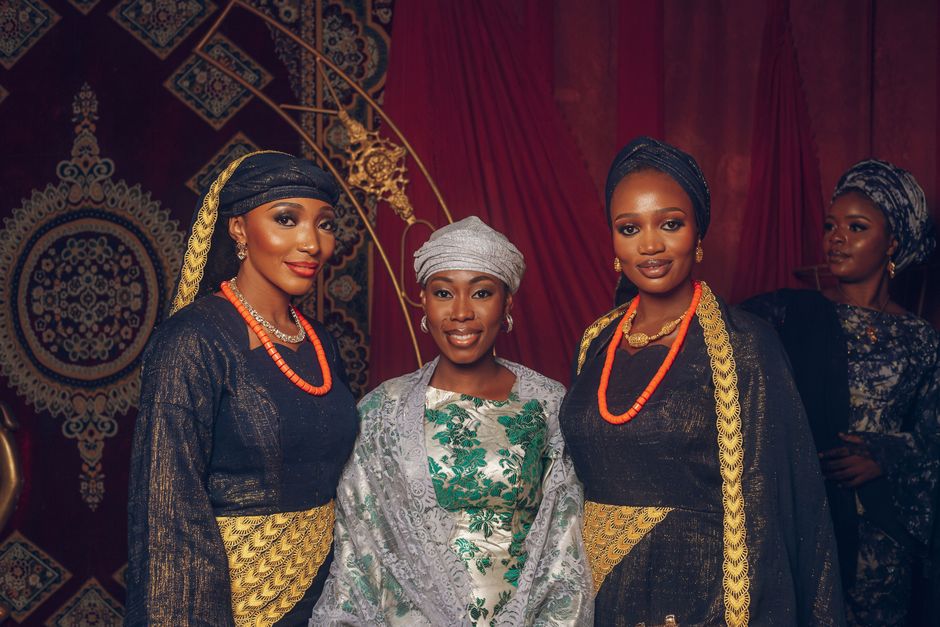
Fashion in West Africa is a vibrant expression of cultural identity, with traditional attire playing a significant role in everyday life and special occasions.
Nigerian Attires
Nigeria's fashion scene is a blend of traditional and modern influences, with each ethnic group showcasing its unique styles.
- Ankara Fabric: Known for its bold prints and vibrant colors, Ankara fabric is widely used across West Africa, particularly in Nigeria, for making dresses, skirts, shirts, and accessories.
- Aso Oke: This handwoven cloth is an important part of Yoruba culture, often worn during significant events like weddings and festivals.
Cultural Significance
Traditional clothing is not just about aesthetics; it tells stories of heritage and status in society.
- Kente Cloth: Originating from Ghana, Kente cloth is known for its intricate designs and vibrant colors. It holds ceremonial value and is often worn during important events.
- Boubou: Worn by both men and women across West Africa, the boubou is a flowing robe that signifies elegance and tradition.
Fashion in West Africa is a celebration of heritage, reflecting the diverse cultures and histories of its people.
Music and Dance: The Heartbeat of West Africa
Music and dance are integral to West African culture, serving as a means of communication, celebration, and storytelling.
Traditional Music
The region boasts a rich tapestry of musical genres, from the highlife of Ghana to the juju music of Nigeria.
- Afrobeat: Pioneered by Nigerian legend Fela Kuti, Afrobeat is a fusion of traditional African music, jazz, and funk, known for its infectious rhythms and socially conscious lyrics.
- Highlife: Originating in Ghana, highlife combines traditional Akan music with jazz and brass band sounds, creating an upbeat and lively genre.
Dance Traditions
Dance is a vibrant expression of culture, with each region showcasing distinct styles.
- Nigerian Bata Dance: A traditional Yoruba dance characterized by its fast pace and energetic movements, often performed during cultural festivals.
- Senegalese Sabar Dance: Known for its rhythmic drumming and high-energy movements, the Sabar dance is a key part of Senegalese cultural events.
Music and dance are the lifeblood of West Africa, connecting communities and generations through shared rhythms and stories.
Conclusion
As we journey through the vibrant cultures of West Africa, it's clear that the region offers a rich tapestry of experiences that resonate deeply with Nigerian travelers. From the joyous celebrations of festivals to the tantalizing flavors of its cuisines, West Africa invites us to explore its traditions and connect with its people. Whether you're drawn to the colorful fabrics, the rhythmic beats of its music, or the stories told through dance, West Africa promises a cultural adventure that is as diverse as it is enriching.
For Nigerians, these experiences offer more than just a glimpse into neighboring cultures—they provide an opportunity to celebrate our shared heritage and embrace the diversity that makes West Africa truly unique. So, pack your bags and get ready to explore the heart of West Africa, where every journey is a celebration of culture, history, and unity.