West Africa is a land of vibrant cultures, rich traditions, and diverse communities. From the rhythmic beats of the djembe drum to the intricate patterns of the kente cloth, every corner of this region tells a unique story. As someone who values cultural heritage and history, you’ll find West Africa an endless source of inspiration and discovery.
For Nigerian travelers, West Africa offers familiar yet novel experiences. The region’s shared history and cultural exchanges mean you’ll encounter echoes of home in unexpected places, making your journey both comforting and exciting. Let’s dive into the heart of West Africa and explore the cultural tapestry that makes this part of the world so captivating.
The Musical Heartbeat of West Africa
Music is the soul of West African culture, pulsating through everyday life and special occasions. Whether it's the lively rhythms of Afrobeats or the soulful melodies of traditional folk music, the sounds of West Africa are as diverse as its people.
The Influence of Traditional Instruments
Traditional instruments like the talking drum, kora, and balafon are integral to West African music. These instruments are not just tools for entertainment; they are storytellers, carrying the region's history and values across generations.
"Music in West Africa is not just for entertainment; it is a means of preserving history and passing down wisdom."
For instance, the kora, a 21-string harp-lute, is often used by griots to recount historical events and genealogies, ensuring that cultural knowledge is preserved.
The Rise of Modern Genres
While traditional music remains a cornerstone, modern genres like Afrobeats have taken the global stage. Artists like Burna Boy and Yemi Alade have propelled West African music to new heights, blending traditional sounds with contemporary rhythms.
- Afrobeats: A fusion of traditional African sounds with jazz, funk, and hip hop.
- Highlife: Originating from Ghana, it combines traditional Akan music with Western instruments.
- Fuji: A genre deeply rooted in the Yoruba culture of Nigeria.
The Art and Craftsmanship of West Africa
Art is another vibrant expression of West African culture, with each country boasting its own unique styles and techniques. From intricate beadwork to vibrant textiles, art in West Africa is a celebration of creativity and identity.
Textiles and Fabrics
The textiles of West Africa are as diverse as its people. Fabrics like kente, adire, and bogolanfini (mud cloth) are not only beautiful but also hold significant cultural meanings.
"Clothing in West Africa is more than fashion; it is a symbol of identity and status."
Nigerians will find the bold patterns and vibrant colors of these fabrics reminiscent of the traditional attires worn during significant ceremonies back home.
Sculptures and Masks
Sculptures and masks play a crucial role in West African rituals and ceremonies. Often made from wood, bronze, or terracotta, these pieces are crafted with precision and carry deep spiritual significance.
- Bamana Masks: Used in Mali’s agricultural festivals.
- Igbo Uli Art: A style of body and wall painting indigenous to Nigeria.
- Benin Bronzes: Masterpieces of metalwork from the historic Kingdom of Benin, now part of Nigeria.
Festivals and Celebrations
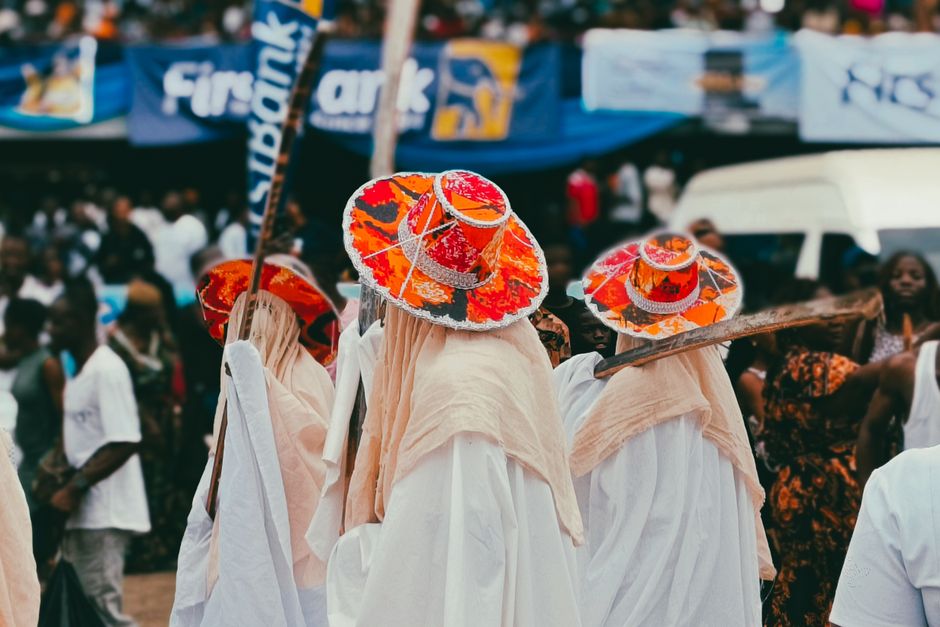
Festivals in West Africa are a vibrant mix of music, dance, art, and communal joy. These events are opportunities for communities to come together, celebrate their heritage, and pass down traditions.
The Durbar Festival
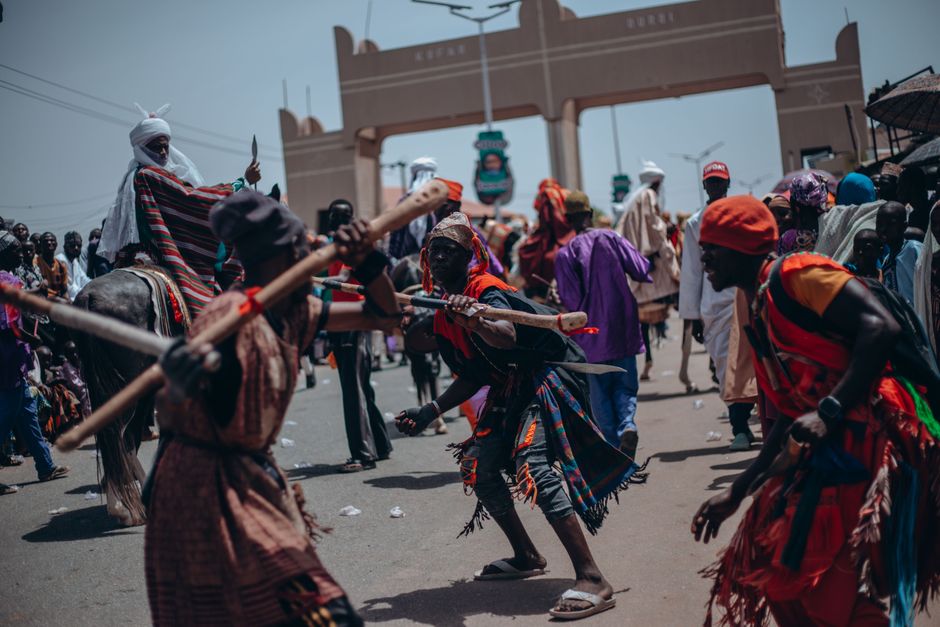
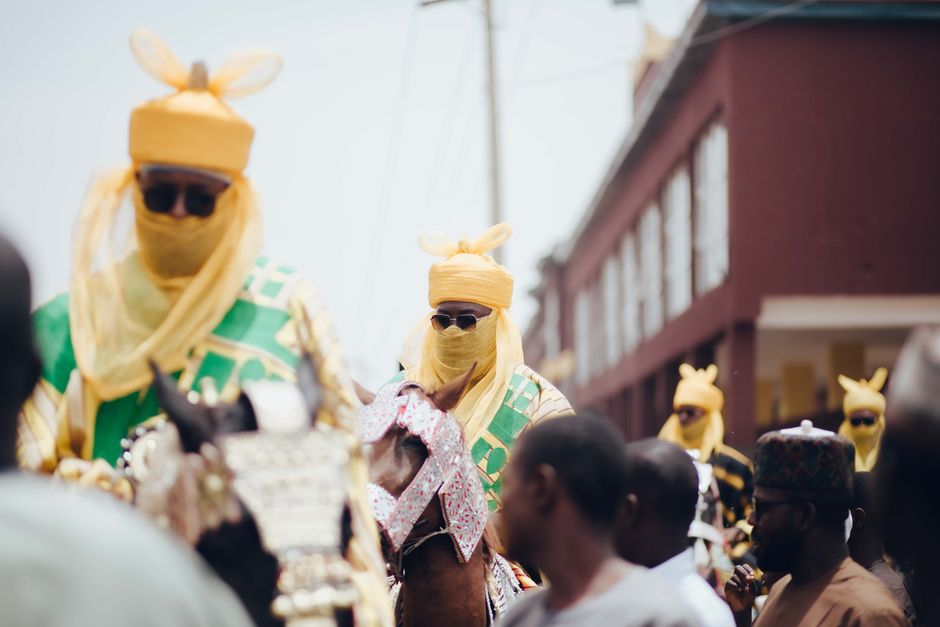
Held in Northern Nigeria, the Durbar Festival is a spectacular display of horsemanship, music, and pageantry. It marks the end of Ramadan and is a celebration of culture and religion.
"Attending the Durbar Festival is witnessing a living tapestry of history, faith, and West African spirit."
Fête du Vodoun
Celebrated in Benin, this festival honors the spirits and ancestors of the Vodoun religion. It's a vibrant event filled with music, dance, and ritualistic ceremonies.
- Argungu Fishing Festival: Held in Nigeria, it celebrates the region’s connection to the water and its bounty.
- Panafest: A biennial event in Ghana celebrating Pan-Africanism and African heritage.
- Ouidah Voodoo Festival: Another spiritual celebration in Benin, highlighting the Vodoun culture.
Culinary Adventures in West Africa
The flavors of West Africa are as rich and diverse as its culture. Nigerian readers will find familiar tastes in dishes that reflect the region's abundant resources and culinary creativity.
Staple Ingredients
West African cuisine is centered around staple ingredients like yams, cassava, and rice. These ingredients form the base of many traditional meals across the region.
"The essence of West African cuisine lies in its ability to transform simple ingredients into complex flavors."
Jollof rice, a beloved dish throughout West Africa, varies from country to country, with each adding its own unique twist to the recipe.
Popular Dishes
While there are countless delicious dishes to try, some have gained international acclaim for their unique flavors and cultural significance.
- Suya: Spicy skewered meat, popular in Nigeria.
- Fufu: A dough-like food made from cassava, yams, or plantains, served with various soups.
- Egusi Soup: A hearty soup made from melon seeds, common in Nigeria.
Final Thoughts
West Africa is a region of immense cultural wealth and diversity. For Nigerian travelers, it offers a unique blend of the familiar and the novel, making every journey an opportunity for discovery. Whether you're drawn by the rhythm of its music, the colors of its art, or the flavors of its cuisine, West Africa invites you to explore its heart and soul. As you plan your trip, remember to embrace the hospitality and warmth of its people, for it is their stories and traditions that truly make West Africa a masterpiece of cultural richness.