The vibrant culture of West Africa is a mesmerizing tapestry woven from the threads of tradition, music, art, and community. As you immerse yourself in this region's cultural richness, you encounter a world where history and modernity dance in harmony, where every beat of a drum or stroke of a paintbrush tells a story. For Nigerian readers, understanding the cultural depth of West Africa is more than just an exploration; it's an intimate journey into the heart of their heritage.
From the bustling markets in Lagos to the serene landscapes of Dakar, West Africa is a region that pulses with life and creativity. Whether you're drawn to the allure of its festivals or the rhythm of its music, there's something here that resonates deeply with each of us.
In this detailed guide, we'll explore the key aspects that define West African culture, offering insights into how these elements shape the identity of its people. Join us as we delve into the heart of West Africa, uncovering the cultural treasures that await discovery.
The Essence of West African Music
The Role of Music in Society
Music in West Africa is not merely entertainment; it's a vital part of daily life. Traditional music serves as a means of communication, a way to pass down stories and traditions from one generation to the next.
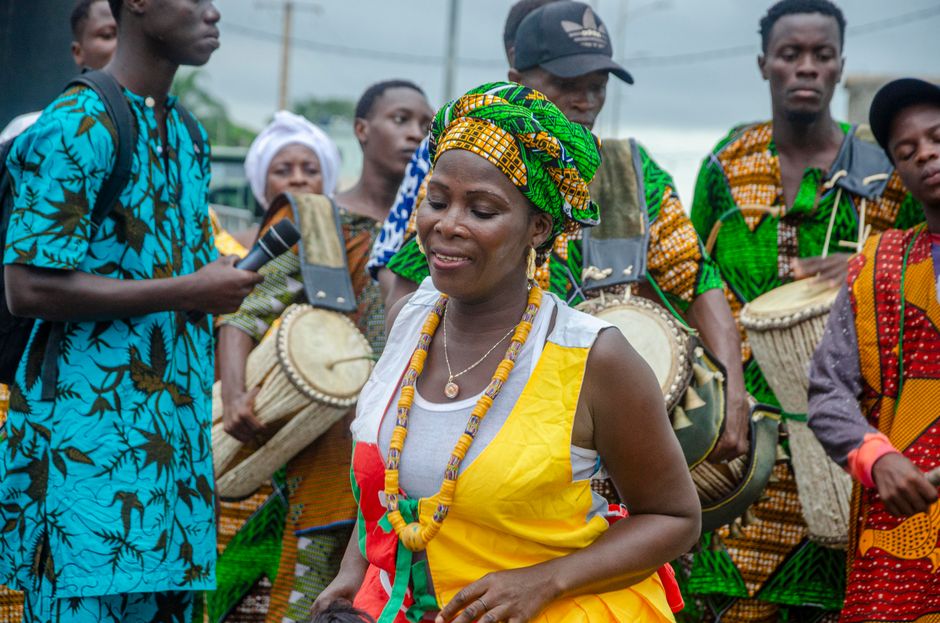
The drum, a symbol of unity and power, is central to many musical traditions. Its rhythms are the heartbeat of ceremonies, celebrations, and everyday life.
- Djembe: A drum that originates from the Mali Empire, known for its depth and range of sounds.
- Kora: A harp-like instrument used by griots to tell stories.
- Talking Drum: Able to mimic the tone and prosody of human speech.
Influence on Global Music
West African music has profoundly influenced genres worldwide, from jazz and blues to contemporary pop. Artists like Fela Kuti have been pivotal in bringing Afrobeat to global audiences.
"Music is the weapon," said Fela Kuti, emphasizing its power in social and political change.
West African Festivals: A Celebration of Life
Popular Festivals and Traditions
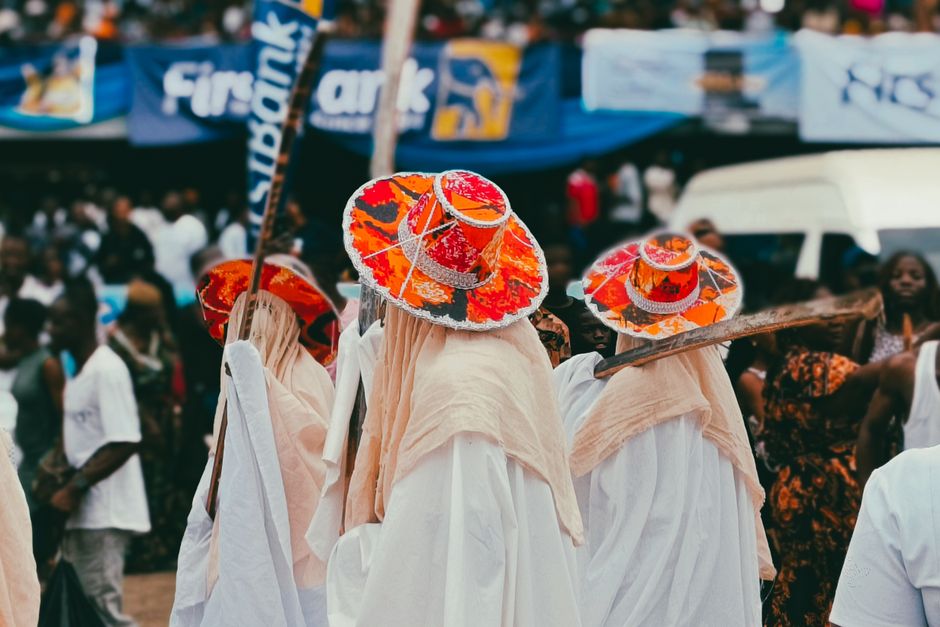
Festivals in West Africa are not just events; they are vibrant celebrations that bring communities together, showcasing the region's rich cultural heritage.
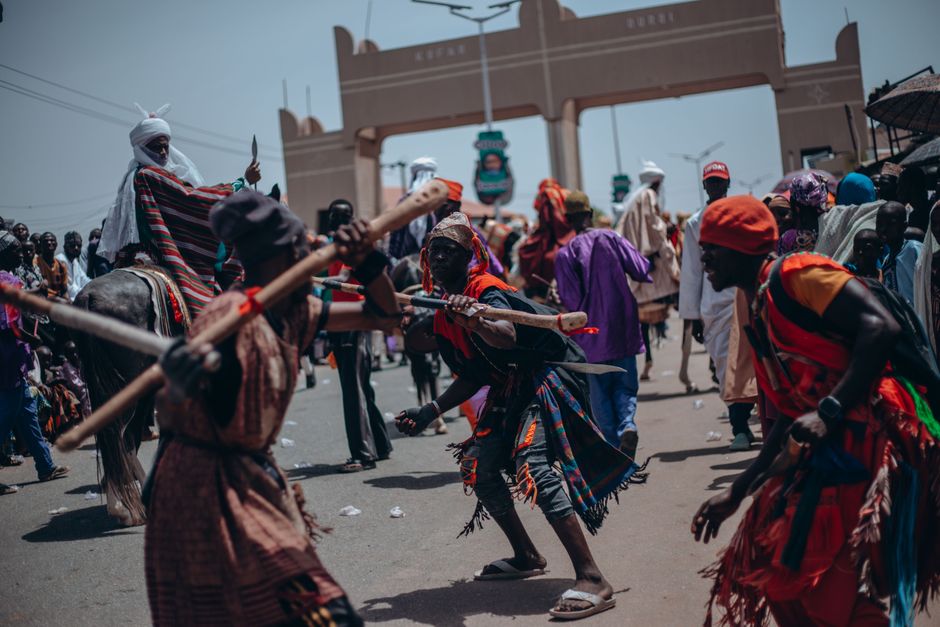
- Durbar Festival: Held in Nigeria, this festival is a grand display of horsemanship, music, and dance.
- Lake of Stars Festival: A gathering in Malawi that celebrates music, arts, and culture.
- FESPACO: The Pan-African Film and Television Festival of Ouagadougou, highlighting African cinema.
Socio-Cultural Impact
These festivals are essential for preserving cultural identities and fostering unity. They also provide economic benefits, drawing tourists and promoting local art and music.
Art and Craft: The Creative Spirit of West Africa
Traditional Art Forms
Art in West Africa is as diverse as its people, with styles and techniques that vary from region to region. Masks, sculptures, and textiles are prominent art forms that carry significant cultural meanings.
- Adinkra Symbols: Originating from Ghana, these symbols are used to convey traditional wisdom and cultural values.
- Bogolanfini: A Malian textile art, commonly known as mud cloth, used in clothing and home decor.
- Benin Bronzes: Intricate bronze sculptures from Nigeria, showcasing historical and cultural narratives.
Contemporary Art Scene
West African artists are gaining international recognition, blending traditional techniques with modern themes. This creative fusion is evident in the works of artists like El Anatsui, whose installations reflect themes of history and identity.
Culinary Delights: Tastes of West Africa
Popular Dishes and Ingredients
The cuisine of West Africa is a flavorful journey, defined by its use of spices, grains, and vegetables. Common ingredients include cassava, plantains, and groundnuts.
- Jollof Rice: A beloved dish across the region, known for its rich tomato and spice base.
- Pounded Yam and Egusi Soup: A staple in Nigerian cuisine, often enjoyed during family gatherings.
- Suya: Grilled skewered meat seasoned with aromatic spices, a popular street food.
Cultural Significance of Food
Food is more than sustenance in West Africa; it's a communal experience that strengthens bonds and fosters a sense of belonging.
"Breaking bread together is a sacred act, a celebration of life and friendship," says a local chef in Lagos.
Conclusion
West Africa's culture is a vibrant mosaic that reflects the resilience, creativity, and spirit of its people. From music and festivals to art and cuisine, each cultural expression tells a story of tradition and innovation. For Nigerian readers, this journey through West African culture is not only a discovery of external beauty but an introspection into their own heritage, offering a deeper connection to their roots.
As you explore West Africa, remember that each drumbeat, each festival, and each dish is a piece of a larger narrative that binds the region's past, present, and future. Embrace its richness, and let it inspire you to celebrate and preserve this extraordinary cultural heritage.