When you think about African culture, the Yoruba people of Nigeria immediately stand out for their rich traditions and vibrant way of life. With a history spanning several centuries, the Yoruba culture is a tapestry woven with intricate customs, vibrant festivals, and a profound respect for art and spirituality. Whether you're a curious traveler or a Nigerian eager to reconnect with your roots, understanding the Yoruba culture offers a fascinating glimpse into one of Africa's most dynamic communities.
The Yoruba culture is not just a part of Nigeria's diverse cultural landscape; it is a cornerstone. Known for their artistry, eloquent language, and colorful attire, the Yoruba people have significantly influenced the cultural narrative of West Africa. Let's explore the key elements that make Yoruba culture so unique and captivating.
The Historical Roots of the Yoruba People
The Yoruba people primarily inhabit the southwestern region of Nigeria, known as Yorubaland, which comprises states like Lagos, Ogun, and Oyo. Their history is rich, dating back to the ancient city-states of Ife and Oyo, which were once centers of political power and cultural development.
The Origin Stories
According to Yoruba mythology, they originate from Ile-Ife, a city they consider sacred. Legend has it that the deity Oduduwa descended from the heavens to establish the earth, making Ile-Ife the cradle of creation. This myth underscores the Yoruba’s deep spiritual and historical connection to their land.
The Yoruba culture is deeply intertwined with its history, offering a blend of ancient myths and historical narratives.
The Yoruba Kingdoms
The Yoruba established powerful kingdoms, such as the Oyo Empire, known for its military prowess and sophisticated political structure. These kingdoms played a vital role in trade, politics, and culture in pre-colonial Africa, with influences reaching as far as the present-day Benin Republic.
Yoruba Language and Literature
The Yoruba language is a tonal language, which means that the meaning of a word can change based on its pitch. This linguistic complexity is just one aspect of the cultural depth found in Yoruba literature and oral traditions.
Proverbs and Folktales
Proverbs play a significant role in Yoruba culture, encapsulating wisdom and life lessons in concise phrases. You'll often hear elders use proverbs to impart knowledge subtly and effectively. Folktales, on the other hand, are rich with moral lessons, soulfully told through generations.
- Ogboju Ode Ninu Igbo Irunmale: A classic work of Yoruba literature that brings to life the adventures of courageous hunters.
- Oriki: Praise poetry that captures the essence of an individual's character and achievements.
Cultural Practices and Traditions
Yoruba Festivals
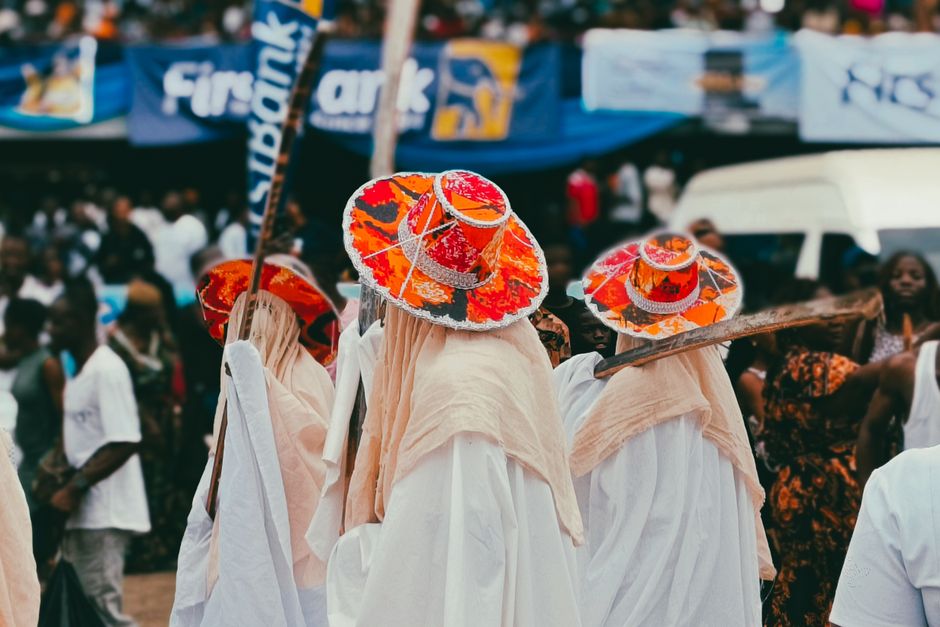
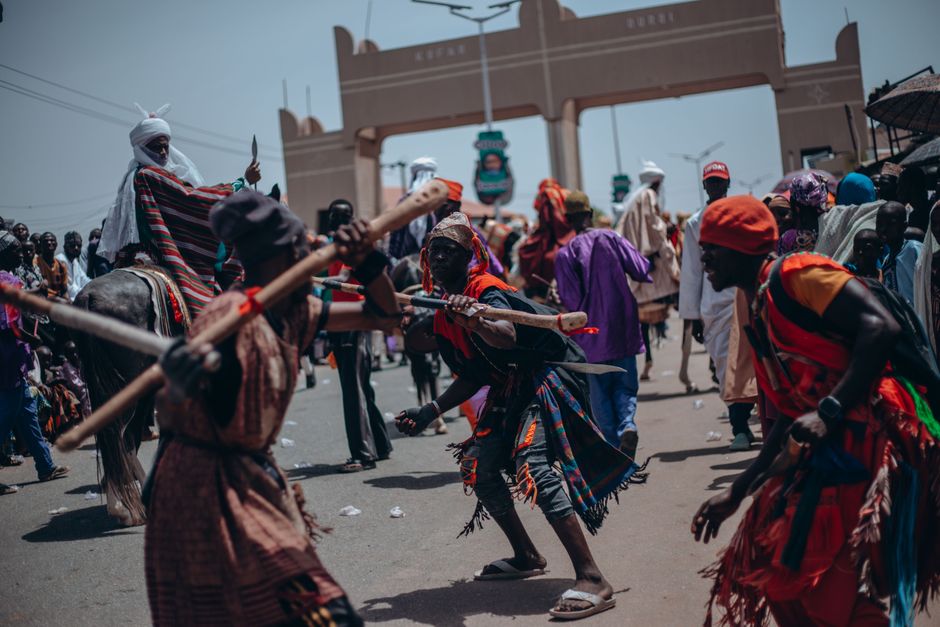
The Yoruba people celebrate numerous festivals throughout the year, with each festival reflecting various aspects of their culture and beliefs. These include the Eyo Festival in Lagos, celebrated with much pomp and color, and the Osun-Osogbo festival, a UNESCO-recognized cultural event that attracts visitors worldwide.
Traditional Attire
Yoruba attire is not only about fashion but also a symbol of identity and cultural heritage. The traditional attire, such as the 'agbada' for men and 'iro and buba' for women, is often worn during festivals, weddings, and other significant events.
Wearing traditional Yoruba attire is a statement of pride in one's heritage and a celebration of cultural identity.
Religion and Spirituality
Religion in Yoruba culture is a blend of indigenous beliefs and imported religions like Christianity and Islam. The indigenous Yoruba religion involves the worship of 'Orishas,' deities representing various elements and forces of nature.
The Role of Orishas
Orisha worship remains central to the spiritual lives of many Yoruba people, with each Orisha possessing unique attributes and powers. For example, Shango is the god of thunder, while Oshun is the goddess of fertility and rivers.
Art and Craftsmanship
Yoruba art is renowned for its brilliance and creativity, from intricate beadwork to sophisticated wood carving. Yoruba craftsmen are skilled in working with various materials to produce art that is both functional and aesthetic.
Sculpture and Wood Carving
Yoruba sculpture, especially in wood, is highly regarded for its aesthetic appeal and cultural significance. Masks and statues play essential roles in festivals and rituals, often used to honor ancestors and deities.
- Aso-Oke Weaving: A traditional hand-woven cloth that is a staple of Yoruba fashion, often used in weddings and special events.
- Adire Fabric: A type of indigo-dyed cloth that showcases the creativity and skill of Yoruba artisans.
Conclusion
The Yoruba culture is a vibrant tapestry of history, language, art, and spirituality, offering an endless well of knowledge and inspiration. Whether through its enthralling festivals, intricate art, or the wisdom encapsulated in proverbs, the culture continues to thrive and adapt in today's world. For Nigerians and travelers alike, exploring Yoruba culture is a journey into the heart of Africa's rich cultural heritage.