Nigeria is a land of vibrant cultures, where traditions and modernity dance together in a dynamic symphony. As the most populous country in Africa, Nigeria boasts an incredible diversity that is often celebrated through its rich cultural practices, colorful festivals, and intricate traditions that vary from one ethnic group to another. For anyone looking to delve deep into the heart of West African culture, Nigeria stands out as a compelling destination that promises to both educate and entertain.
As you embark on this cultural exploration, prepare to be captivated by the kaleidoscope of customs that have been preserved and passed down through generations. Whether you're a local rediscovering your roots or a visitor eager to learn, Nigeria's cultural landscape offers numerous surprises and insights.
In this guide, we will journey through some of the most iconic cultural practices, delve into the significance of traditional attire, explore the rhythm and melody of Nigerian music and dance, and finally, examine the culinary delights that define Nigerian hospitality. Join us as we uncover the essence of Nigeria's vibrant culture.
The Rich Tapestry of Nigerian Traditions
Diverse Ethnic Groups
Nigeria is home to over 250 ethnic groups, each with its own unique traditions and customs. Among the most prominent are the Yoruba, Igbo, and Hausa-Fulani, whose cultural practices have shaped the country's identity. Understanding these diverse cultures is key to appreciating the full spectrum of Nigerian life.
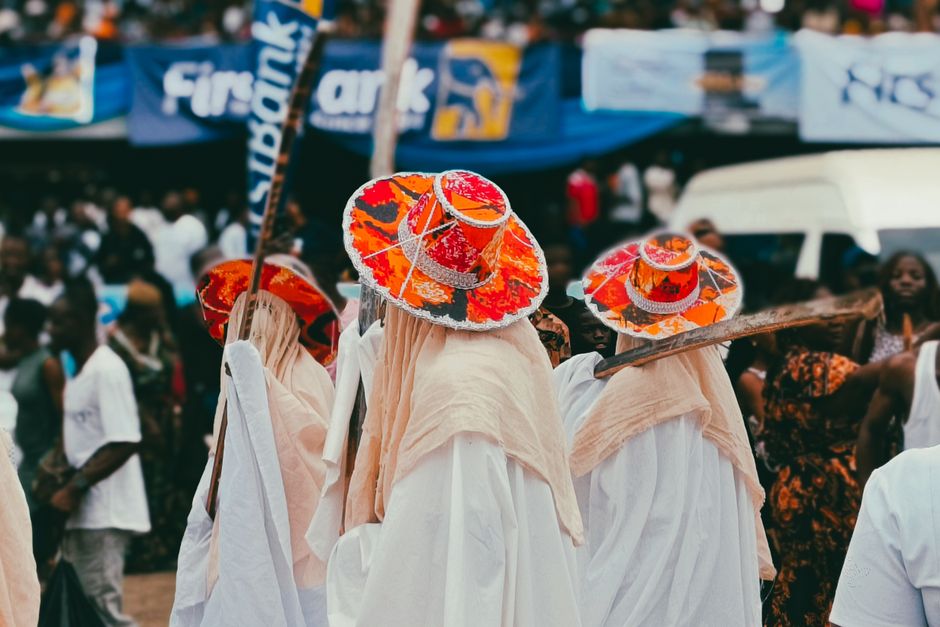
- Yoruba: Known for their vibrant festivals and rich mythology, the Yoruba people celebrate a variety of traditional events such as the Eyo Festival, where participants don white costumes and masks.
- Igbo: The Igbo culture is deeply rooted in community and family. Traditional ceremonies like the New Yam Festival highlight their agricultural heritage and communal living.
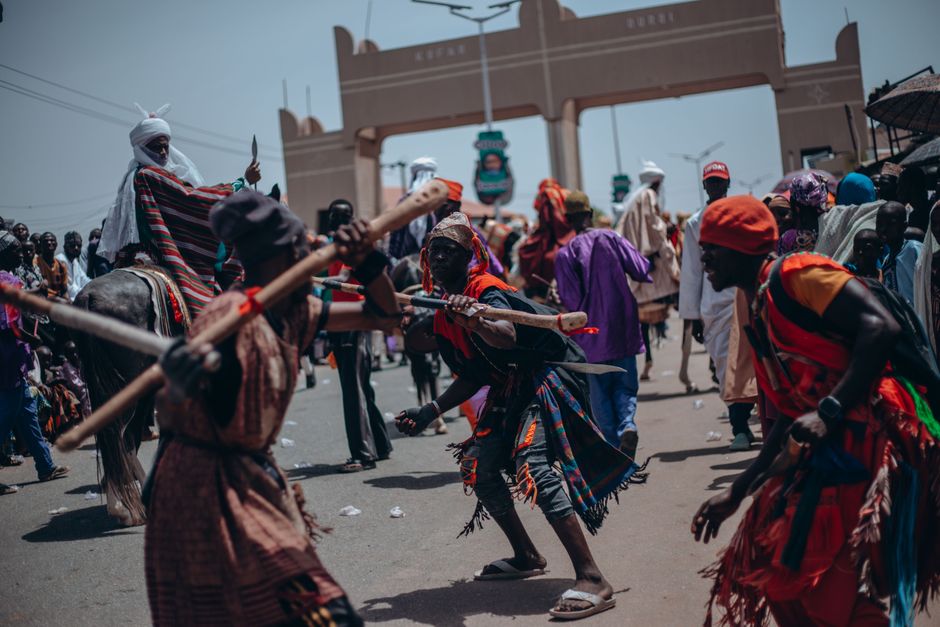
- Hausa-Fulani: Predominantly Muslim, the Hausa-Fulani are known for their elaborate wedding ceremonies and the Sallah Festivals, which mark key Islamic celebrations with grandeur.
Cultural Festivals
Nigerian festivals are a colorful blend of music, dance, and spirituality, offering a glimpse into the country's soul. These festivals are not only a celebration of heritage but also a means of keeping ancient customs alive.
- Argungu Fishing Festival: Held in Kebbi State, this festival attracts fishermen from across the region to compete in a lively fishing contest, accompanied by music and dance.
- Osun-Osogbo Festival: Celebrated in Osogbo, this festival honours the sacred grove of the goddess Osun, attracting visitors with its spiritual significance and vibrant processions.
- Calabar Carnival: Known as Africa's biggest street party, this month-long celebration in December transforms the streets of Calabar into a riot of colour and sound.
The Significance of Traditional Attire
Yoruba Attire
The Yoruba people are renowned for their elegant traditional attire, which includes Aso-Oke, a hand-woven fabric used for special occasions. The Buba, Iro, and Gele are common garments worn by Yoruba women, reflecting both beauty and cultural pride.
Igbo Traditional Clothing
Igbo attire is both vibrant and symbolic, often featuring the Isiagu, a traditional shirt worn by men, and the George Wrapper for women. These garments are typically adorned with intricate patterns and bold colours, symbolizing status and clan identity.
Hausa-Fulani Dress
Modesty and elegance define the traditional dress of the Hausa-Fulani. Men often wear the Babban Riga, a large flowing gown, while women don the Hijab or Abaya, reflecting their cultural and religious values.
Nigerian Music and Dance
The Rhythm of Drums
Music is an integral part of Nigerian culture, with drums playing a central role in many ceremonies and festivals. The Talking Drum, unique to the Yoruba, is capable of mimicking the tone and prosody of human speech.
Popular Music Genres
Nigeria is a powerhouse of modern music, influencing global sounds with genres like Afrobeat, pioneered by the legendary Fela Kuti, and Afrobeats, which continues to dominate international charts.
- Afrobeat: Combining traditional African music with jazz, funk, and highlife, Afrobeat is known for its complex rhythms and socially conscious lyrics.
- Afrobeats: A more contemporary genre, Afrobeats blends influences from American hip-hop and R&B with African rhythms, creating infectious dance tunes.
The Dance Culture
Dancing is a vibrant expression of Nigerian culture, with each ethnic group offering its unique styles. From the energetic Bata dance of the Yoruba to the graceful Atilogwu of the Igbo, dance is both a form of storytelling and a celebration of life.
"Dance is the hidden language of the soul, and in Nigeria, it speaks volumes about community, joy, and resilience."
Culinary Delights of Nigeria
Staple Foods
Nigerian cuisine is as diverse as its culture, with each region offering its own signature dishes. Staples like Jollof Rice, Pounded Yam, and Egusi Soup are beloved across the nation, providing a hearty taste of home.
Street Food Culture
Street food is an integral part of Nigerian culinary culture, offering quick and delicious bites like Suya, spicy grilled skewers, and Akara, deep-fried bean cakes that are perfect for a snack on the go.
Traditional Drinks
No culinary journey in Nigeria is complete without sampling local beverages. From Zobo, a refreshing hibiscus tea, to Palm Wine, a naturally fermented drink, these beverages offer a taste of Nigerian hospitality.
Conclusion
Nigeria's cultural landscape is a vibrant tapestry woven from the threads of history, tradition, and innovation. Whether it's the colorful festivals, the rich traditional attire, the pulsating rhythms of music and dance, or the diverse culinary offerings, each aspect of Nigerian culture tells a story of a proud and resilient people. By exploring these cultural riches, visitors and locals alike gain a deeper understanding of what makes Nigeria a unique and enthralling destination.
So, the next time you find yourself in Nigeria, take the time to immerse yourself in its cultural wonders. Whether you're dancing to the beat of the drums, enjoying a plate of Jollof Rice, or participating in a local festival, you're sure to create memories that will last a lifetime.