Nigeria, often referred to as the 'Giant of Africa', is not only the most populous country on the continent but also one of the most culturally diverse. With over 250 ethnic groups and a multitude of languages, Nigeria offers a vibrant tapestry of traditions and customs. For those intrigued by cultural richness, Nigeria presents an endless journey of exploration.
From the bustling streets of Lagos to the serene landscapes of Calabar, Nigerian culture is as diverse as it is captivating. The country's cultural dynamism is reflected in its music, dance, art, festivals, and culinary delights, each offering a unique insight into the Nigerian way of life. As we delve into the heart of Nigeria's cultural wealth, prepare to embark on an adventure that promises to enlighten and entertain.
Join us as we explore the facets of Nigerian culture that make it a must-visit destination. Whether you're a cultural enthusiast or a curious traveler, there's something for everyone in the vibrant cultural mosaic that is Nigeria.
The Diversity of Nigerian Ethnic Groups
Nigeria's ethnic diversity is one of its defining features. The country is home to over 250 ethnic groups, each with its own unique language, traditions, and customs. Among the largest ethnic groups are the Hausa, Yoruba, Igbo, and Fulani.
The Hausa People
The Hausa are predominantly found in Northern Nigeria and are known for their rich traditions in music and art. They are also famous for their traditional attires, which showcase intricate embroidery and vibrant colors.
The Yoruba People
The Yoruba, found in the southwestern part of Nigeria, are renowned for their cultural festivals and religious practices. The Yoruba culture is steeped in tradition, with colorful ceremonies and rituals that are a sight to behold.
The Igbo People
The Igbo, primarily located in southeastern Nigeria, are known for their entrepreneurial spirit and vibrant masquerade festivals. The Igbo culture is characterized by traditional dances and elaborate ceremonies.
The Fulani People
The Fulani, who are largely nomadic, are found across various regions in Nigeria. They are known for their unique cattle-rearing practices and distinctive cultural attire.
Nigerian Festivals and Celebrations
Nigerian festivals are a true reflection of the country’s diversity and cultural richness. These events are marked by colorful parades, traditional music, dance, and an outpouring of community spirit.
The Durbar Festival
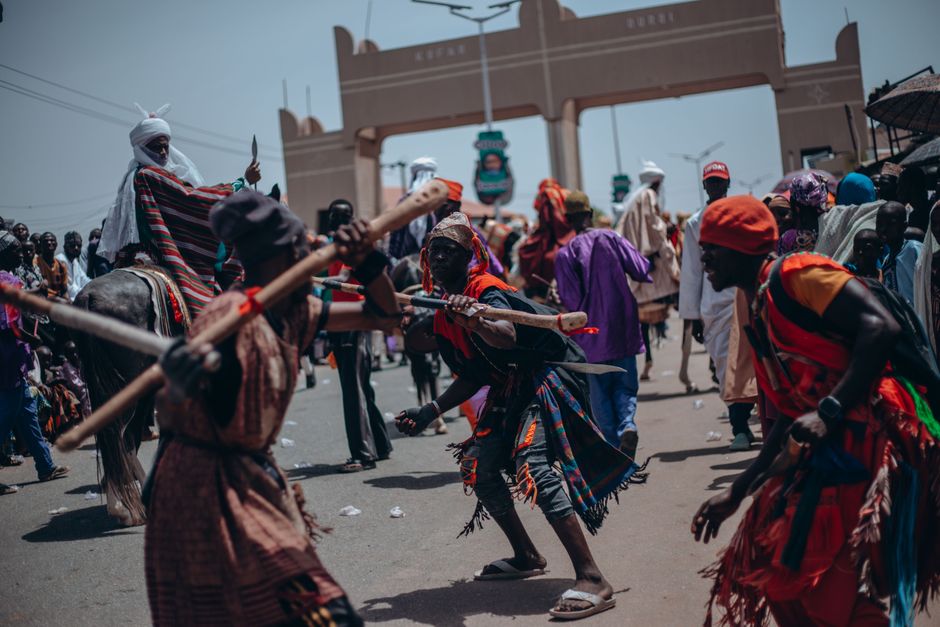
Held annually in Northern Nigeria, the Durbar Festival is a vibrant display of horsemanship and traditional music. It commemorates the end of Ramadan and showcases the rich cultural heritage of the Hausa-Fulani people.
The Eyo Festival
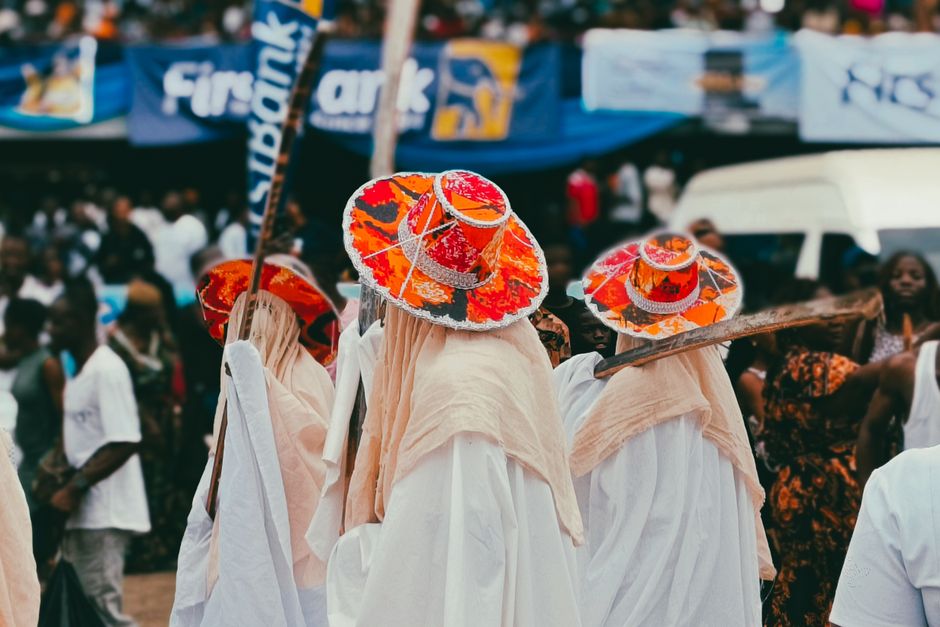
Unique to Lagos, the Eyo Festival is a cultural and historical celebration featuring the iconic processions of masqueraders known as 'Eyo'. This festival is a tribute to the ancient Yoruba traditions and is a must-see event for visitors.
The New Yam Festival
Celebrated by the Igbo people, the New Yam Festival marks the end of the harvest season. It is a time of thanksgiving and feasting, with traditional dances, music, and the sharing of the first yams of the season.
Nigerian Cuisine: A Culinary Journey
Nigerian cuisine is a delectable mix of flavors and spices, reflecting the country's diverse ethnic makeup. From fiery jollof rice to the savory pounded yam with egusi soup, Nigerian food is a feast for the senses.
Popular Dishes
- Jollof Rice: A staple at Nigerian parties, this rice dish is cooked with tomatoes, onions, and a blend of spices.
- Pounded Yam and Egusi Soup: A traditional dish enjoyed by many ethnic groups, it features mashed yam served with a melon seed soup.
- Suya: A popular street food, suya is spicy grilled meat skewer, marinated with peanut spices.
Nigerian Street Food
Nigerian street food is an integral part of the culinary landscape. From meat pies to puff-puff, these snacks are perfect for those on the go and offer a taste of local flavors.
Music and Dance: The Rhythm of Nigeria
Music and dance are at the heart of Nigerian culture. The country’s music scene is diverse, ranging from traditional folk music to contemporary Afrobeats, which have taken the world by storm.
Traditional Nigerian Music
Traditional music in Nigeria varies by region and ethnic group, with each having its own unique instruments and sounds. The talking drum, for example, is a popular instrument used by the Yoruba people.
Afrobeats and Modern Music
Nigeria is the birthplace of Afrobeats, a genre that blends traditional African music with global influences. Artists like Fela Kuti, Burna Boy, and Wizkid have gained international fame, putting Nigerian music on the global map.
Art and Fashion: A Creative Expression
Nigerian art and fashion are vibrant manifestations of the country's rich culture. From traditional crafts to contemporary art, Nigeria boasts a thriving creative scene.
Traditional Nigerian Art
Nigerian art includes sculptures, masks, and textiles that are deeply rooted in the country's history and culture. These art forms are often used in ceremonies and festivals.
Nigerian Fashion
The fashion scene in Nigeria is dynamic and ever-evolving. Nigerian designers are known for their innovative designs and use of vibrant fabrics, making Lagos Fashion Week a highly anticipated event on the global fashion calendar.
Nigeria's cultural landscape is a vibrant and dynamic reflection of its diverse ethnic makeup and traditions. Exploring this rich tapestry offers a deeper understanding of what makes Nigeria a unique destination in Africa.
Final Thoughts
Nigeria’s culture is an intricate weave of traditions, languages, and customs that offer an enriching experience for anyone willing to explore its depths. Whether you're indulging in its flavorful cuisine, dancing to the beats of Afrobeats, or participating in its lively festivals, Nigeria promises a cultural journey like no other. So, when planning your next trip, consider delving into the heart of Nigeria and experiencing firsthand the cultural richness that defines this West African gem.