Nigeria, with its vibrant tapestry of ethnic groups, languages, and traditions, offers a fascinating dive into African culture. Known as the 'Giant of Africa', Nigeria boasts a rich cultural heritage that captivates both locals and visitors alike. As you journey through the myriad of experiences this West African nation has to offer, you'll discover how deeply rooted cultural practices shape everyday life. This article will guide you through Nigeria’s cultural landscape, offering insights into its diverse traditions, tantalizing cuisine, and colorful festivals.
The Diversity of Nigerian Ethnic Groups
Nigeria is home to over 250 ethnic groups, each with its own unique language, traditions, and customs. This diversity is a cornerstone of Nigerian culture, providing a rich mosaic of cultural practices and beliefs.
The Hausa-Fulani Culture
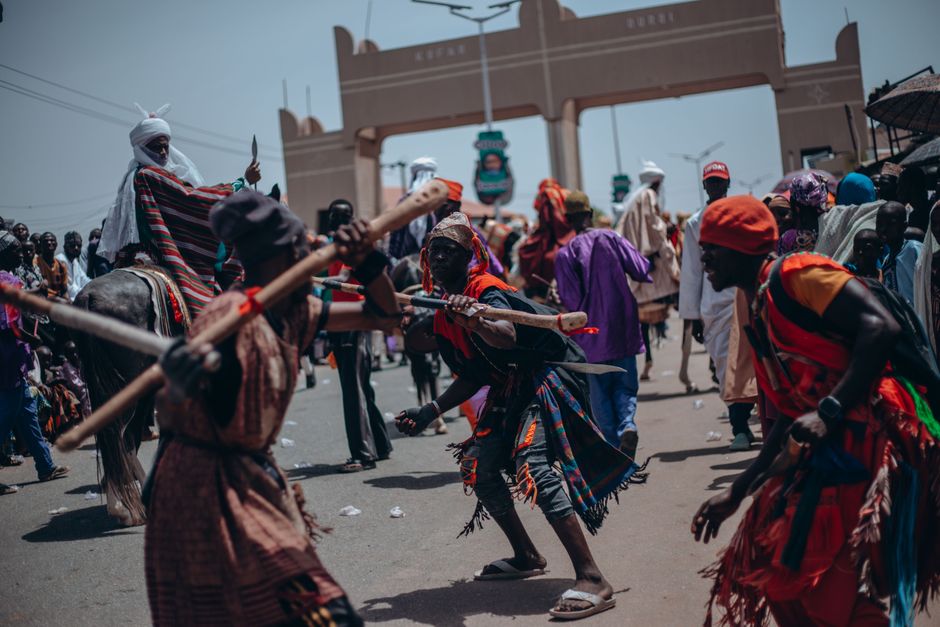
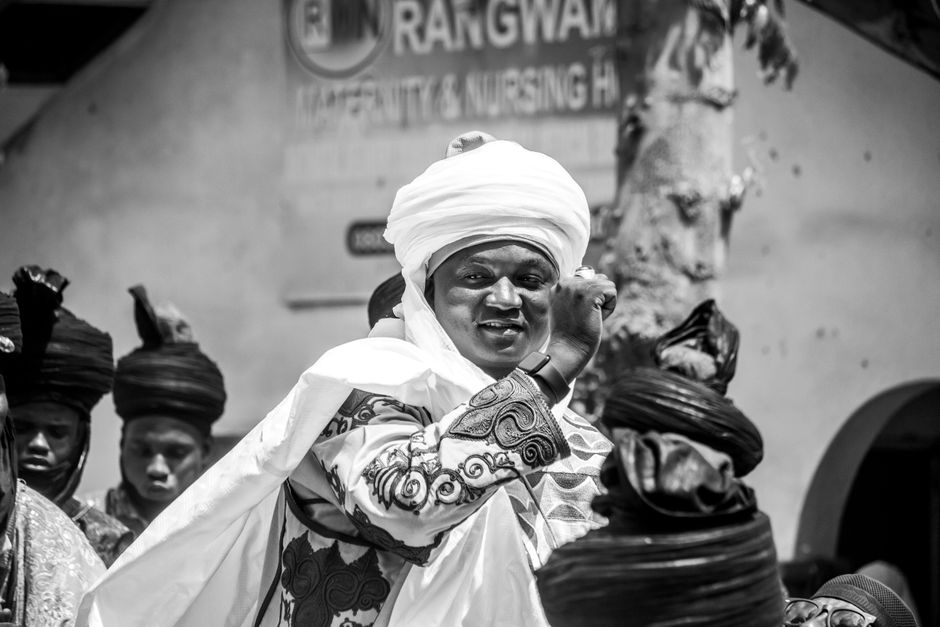
The Hausa-Fulani, predominantly found in Northern Nigeria, are known for their rich history and Islamic influence. Their traditional attire, the 'Kaftan', and the 'Hijab', are widely recognized markers of their identity. A visit to the North offers a glimpse into their rich storytelling traditions and the vibrant Durbar festivals, celebrated with horsemanship and music.
Yoruba Traditions
The Yoruba, mainly in the southwestern part of Nigeria, are celebrated for their profound spiritual and cultural expressions. From the intricacies of the Yoruba religion to their elaborate wedding ceremonies, the Yoruba culture is a vibrant tapestry of colors and sounds. Their artwork, particularly sculptures and masks, are renowned worldwide.
Igbo Cultural Expressions
Occupying the southeastern region, the Igbo are well-known for their entrepreneurial spirit and unique cultural practices. The New Yam Festival, a significant celebration, marks the harvest season with dances, music, and feasting. Igbo language and proverbs are integral to their cultural expression, offering profound insights into their worldview.
Nigerian Cuisine: A Fusion of Flavors
Nigerian cuisine is a delightful fusion of flavors and spices, reflecting the diversity of its people. The food culture in Nigeria is not just about sustenance; it’s an exploration of heritage and identity.
Popular Nigerian Dishes
- Jollof Rice: A staple at every celebration, this tomato-based rice dish is a crowd favorite.
- Egusi Soup: Made from melon seeds, this hearty soup is often enjoyed with pounded yam or fufu.
- Suya: Spiced grilled meat, often served with onions and tomatoes, is a popular street food.
- Moin Moin: A steamed bean pudding, often served as a side dish.
The Role of Street Food
Street food plays a major role in Nigerian culinary culture. From the bustling streets of Lagos to the quiet corners of Enugu, vendors offer a variety of snacks like puff-puff, akara, and boli. The vibrant street food scene is a must-experience for anyone visiting Nigeria.
Festivals and Celebrations
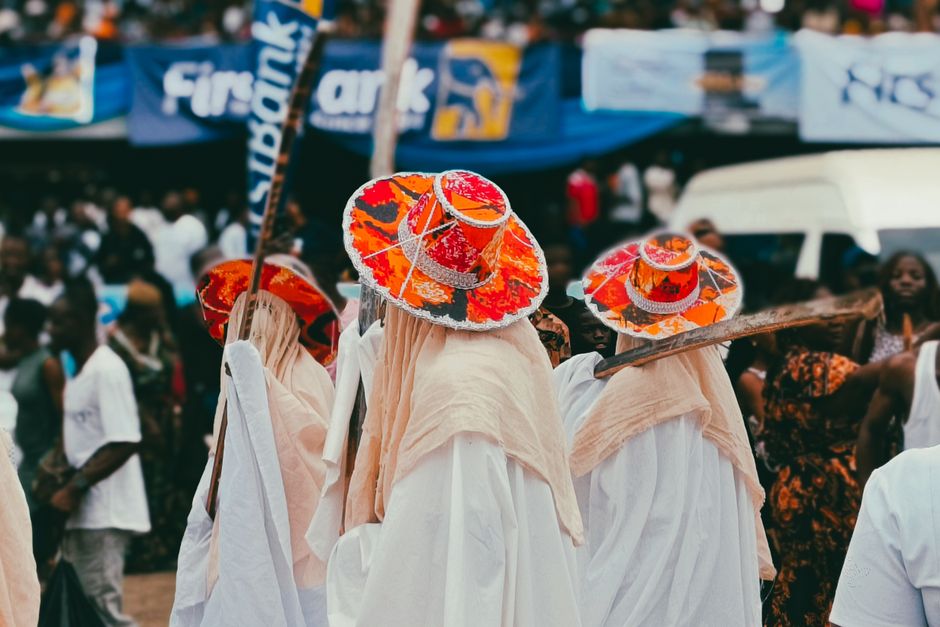
Nigerian festivals are a vibrant expression of its cultural heritage, ranging from traditional ceremonies to modern-day events that attract locals and tourists alike.
Argungu Fishing Festival
This annual festival in Kebbi State is a celebration of fishing culture. Competitors dive into the river with nets, vying to catch the biggest fish. It's a spectacle of music, dance, and cultural displays.
Carnival Calabar
Dubbed 'Africa's Biggest Street Party', the Calabar Carnival is a month-long event in December that transforms the city into a sea of colorful costumes and lively parades. It’s a fusion of cultural dances, music, and theater performances.
“To truly understand Nigeria, you must experience its festivals—it's where culture comes alive.”
The Influence of Nigerian Music and Arts
Nigerian music and arts are influential across Africa and beyond, with genres like Afrobeats gaining international acclaim. The creativity and rhythm of Nigerian music have become a cultural export that resonates globally.
Afrobeats and Beyond
Artists like Burna Boy, Wizkid, and Tiwa Savage have brought Nigerian music to the world stage. Their music, a blend of traditional rhythms and modern beats, tells stories of identity, social issues, and love.
Visual Arts and Literature
Nigerian visual arts are steeped in history, with famous artists like Ben Enwonwu and contemporary names like Yinka Shonibare. Nigerian authors, including Chinua Achebe and Chimamanda Ngozi Adichie, have given voice to African experiences through literature, capturing the essence of Nigerian society.
Final Thoughts
Nigeria’s cultural richness is a testament to its diversity and resilience. From the North to the South, East to the West, each region offers a unique flavor of culture that contributes to the country’s identity. Whether through its diverse ethnic groups, culinary delights, or vibrant festivals, Nigeria presents a captivating narrative of African culture. For Nigerian readers and those intrigued by African culture, exploring these cultural aspects is not just a journey of discovery but a celebration of identity and heritage.