Nigeria, often referred to as the 'Giant of Africa', is a melting pot of cultures, languages, and traditions. With over 250 ethnic groups, the country's rich cultural tapestry offers an endless array of experiences waiting to be explored. Whether you're drawn to the rhythmic beats of traditional music, the vibrant colors of local festivals, or the tantalizing flavors of Nigerian cuisine, there's something for every traveler to discover in this fascinating West African nation.
One of the most compelling aspects of Nigerian culture is its deep-rooted traditions and vibrant social fabric. From the lively celebrations of cultural festivals to the intricate storytelling of Nollywood films, Nigeria presents a unique blend of the old and the new. Let’s embark on a journey through Nigeria's cultural landscape, where ancient traditions meet modern influences, creating a dynamic and captivating experience for all who visit.
The Diverse Ethnic Heritage
Understanding Nigeria's Ethnic Groups
Nigeria is home to more than 250 ethnic groups, each with its own distinct language, customs, and traditions. The three largest ethnic groups are the Hausa-Fulani in the north, the Yoruba in the southwest, and the Igbo in the southeast. These groups, along with many others, contribute to Nigeria's rich cultural diversity.
The Hausa-Fulani, known for their vibrant music and intricate textile patterns, have a strong base in northern Nigeria. The Yoruba, with their rich history of art, theatre, and music, are predominant in the southwest. Meanwhile, the Igbo people are known for their entrepreneurial spirit and colorful traditional attire, especially during festivals.
The Role of Language in Cultural Identity
Language plays a crucial role in shaping cultural identity in Nigeria. With over 500 local languages spoken across the country, language serves as a key marker of cultural heritage and community bonding. While English is the official language, many Nigerians are multilingual, speaking their native tongues alongside English.
"Language is a core element of cultural identity in Nigeria, providing a connection between the past and the present."
From Yoruba proverbs that convey wisdom to Igbo folktales passed down through generations, language is a vital tool for preserving cultural traditions and history.
Traditional Festivals and Celebrations
Experience the Splendor of Nigerian Festivals
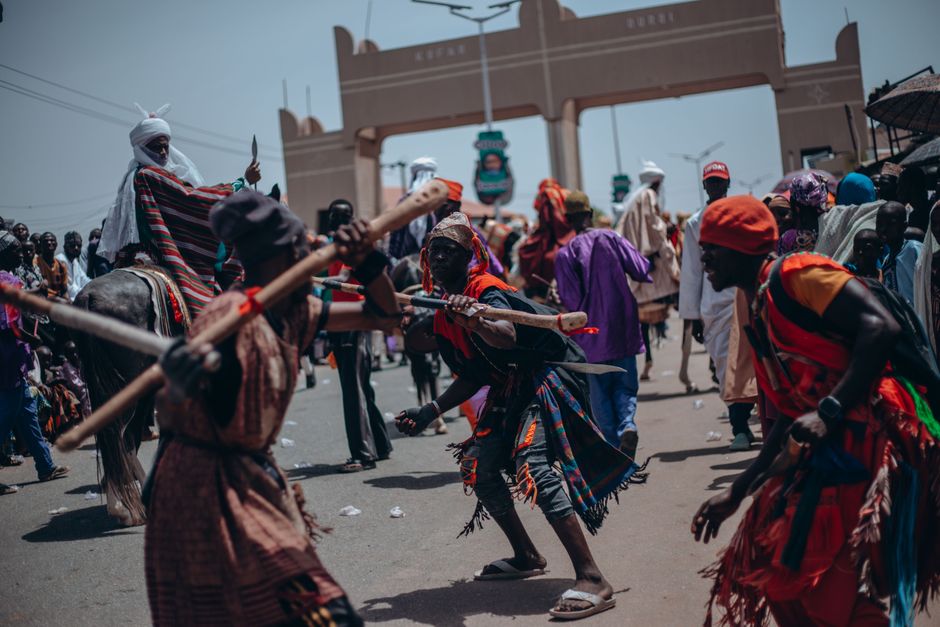
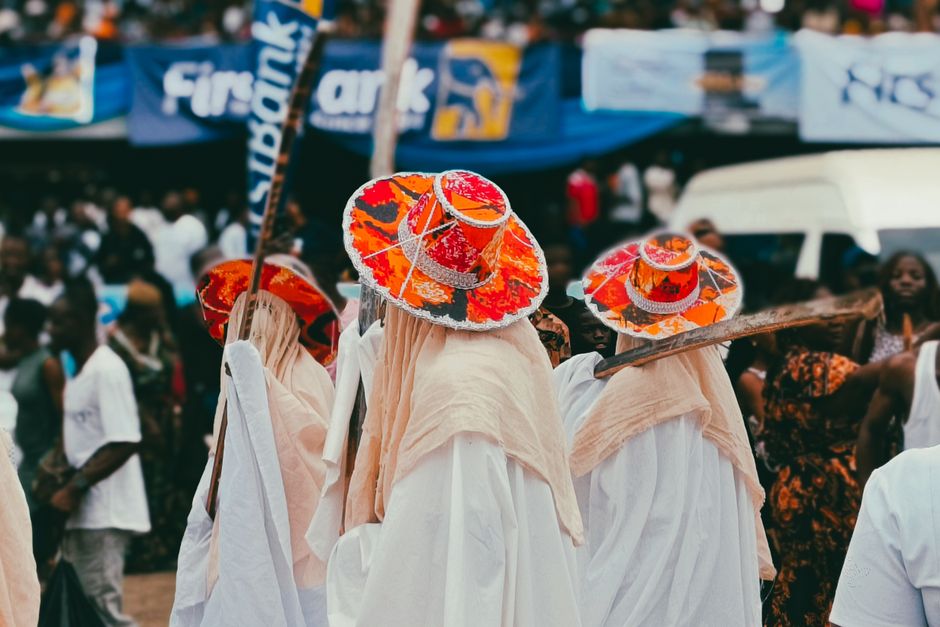
Nigerian festivals are a spectacle of color, music, and dance, offering a glimpse into the country's rich cultural traditions. These celebrations are often tied to religious or agricultural cycles, making them an integral part of community life.
- Durbar Festival: Originating from the northern regions, the Durbar Festival is a grand display of horsemanship and martial arts. It usually coincides with the Muslim celebrations of Eid and is characterized by beautifully adorned horses and riders showcasing their skills.
- Osun-Osogbo Festival: Celebrated by the Yoruba people, this annual festival is held in honor of the goddess Osun, a deity of fertility and water. The festival attracts visitors from all over the world to the sacred Osun-Osogbo Grove, a UNESCO World Heritage site.
- New Yam Festival: Predominantly celebrated by the Igbo people, this festival marks the end of the rainy season and the beginning of the harvest. Communities come together to celebrate the bounty of the land with traditional dances, music, and the sharing of yam dishes.
"Nigerian festivals provide a vibrant tapestry of cultural expression, bringing communities together in celebration."
Cultural Significance and Community Involvement
These festivals not only serve as a means of cultural preservation but also foster a sense of unity and identity among participants. They offer an opportunity for cultural exchange, where visitors can immerse themselves in the traditions and customs of different Nigerian communities.
The Dynamic World of Nollywood
A Glimpse into Nigerian Cinema
Nollywood, Nigeria's film industry, is one of the largest in the world, producing thousands of films each year. Known for its dynamic storytelling and relatable themes, Nollywood films have gained popularity both locally and internationally.
From romantic comedies to action-packed dramas, Nollywood offers a diverse array of genres that cater to a wide audience. The industry has become a significant cultural export, showcasing Nigeria's creativity and resilience on the global stage.
Nollywood's Impact on Cultural Identity
Nollywood films often explore themes of love, family, and societal challenges, reflecting the complexities of Nigerian life. They serve as a medium for cultural expression and provide a platform for discussing important social issues.
"Nollywood is not just entertainment; it is a powerful tool for cultural storytelling and social change."
The industry's success has also contributed to the growth of ancillary sectors, such as fashion, music, and tourism, further boosting Nigeria's cultural economy.
Nigerian Cuisine: A Taste of Tradition
Exploring the Flavors of Nigeria
Nigerian cuisine is a delightful fusion of flavors, influenced by the country's diverse ethnic groups and regional ingredients. From spicy stews to savory snacks, Nigerian dishes are known for their bold flavors and vibrant colors.
Staple ingredients such as yams, rice, and cassava form the basis of many traditional meals. Popular dishes include jollof rice, egusi soup, and pounded yam, each offering a unique taste of Nigeria's culinary heritage.
The Role of Food in Cultural Celebrations
In Nigeria, food is more than just sustenance; it is an integral part of cultural celebrations and social gatherings. Traditional meals are often prepared for special occasions, bringing families and communities together in a shared experience.
"Food is a language of love and tradition in Nigeria, bridging generations and communities."
Whether enjoyed at a festive gathering or a casual street market, Nigerian cuisine offers a sensory journey through the country's rich cultural landscape.
Final Thoughts
Nigeria's cultural diversity is a testament to its vibrant history and evolving societal dynamics. From the colorful festivals and dynamic film industry to the flavorful cuisine, Nigeria offers a rich tapestry of experiences that celebrate its heritage and innovation. As you explore Nigeria's cultural landscape, you'll discover the warmth, creativity, and resilience of its people, leaving you with unforgettable memories and a deeper appreciation for this remarkable country.