West Africa is a region steeped in rich history, vibrant traditions, and diverse cultures. For Nigerian travelers, exploring this part of Africa is like diving into a tapestry of colors, sounds, and tastes that have been woven over centuries. The primary keyword, 'West African culture,' encapsulates a wealth of experiences waiting to be discovered, offering insights into the myriad of ethnic groups, languages, and traditions that shape this fascinating region.
From the bustling markets of Lagos to the historic streets of Abidjan, West Africa boasts a plethora of cultural landmarks. These destinations not only highlight the unique heritage of each nation but also provide a backdrop for the everyday lives of the people who call this region home. Join us as we embark on a journey through the heart of West African culture, exploring its music, art, cuisine, and festivals that bind the continent's past to its present.
The Musical Heartbeat of West Africa
The Rhythms and Melodies
Music is an integral part of West African culture, serving as a medium for storytelling, celebration, and even healing. Each country in West Africa has its distinct sound, yet there is a common thread that weaves these musical traditions together. From the soulful melodies of Afrobeat to the intricate drum patterns of traditional Yoruba music, the region's soundscape is as diverse as its people.
Nigerian artists like Fela Kuti and Burna Boy have gained international recognition, bringing West African music to a global audience. Their music not only entertains but also addresses social and political issues, reflecting the resilience and creativity of the West African spirit.
"Music is the weapon of the future." – Fela Kuti
Traditional Instruments and Their Role
Traditional instruments play a crucial role in West African music. The talking drum, kora, and balafon are just a few examples of the unique instruments that produce the region's distinctive sounds. These instruments are often handmade, embodying the skills and craftsmanship passed down through generations.
- Talking Drum: Known for its ability to mimic human speech, the talking drum is used in many West African ceremonies.
- Kora: A 21-stringed instrument, the kora is a staple in Mande music, often played by griots who serve as storytellers and historians.
- Balafon: Similar to a xylophone, the balafon is commonly used in traditional music across Mali, Guinea, and Burkina Faso.
Art and Craftsmanship: A Visual Feast
The Legacy of West African Art
West African art is renowned for its diversity and symbolism, deeply rooted in the region's cultural and religious practices. From the intricate sculptures of the Benin Bronzes to the vibrant textiles of the Ashanti, art in West Africa is an expression of identity, belief, and history.
Nigerians, in particular, take pride in their artistic heritage, with the ancient Nok terracotta sculptures and the Benin Bronzes being celebrated as some of the most important art forms. These pieces are not only admired for their beauty but also for their historical significance.
Contemporary Artists Making Waves
Today's West African artists continue to push boundaries, blending traditional techniques with contemporary styles. Artists such as Kehinde Wiley and Njideka Akunyili Crosby have garnered international acclaim, highlighting the dynamic and evolving nature of West African art.
"Art is not what you see, but what you make others see." – Edgar Degas
The Culinary Palette of West Africa
Staple Ingredients and Signature Dishes
The cuisine of West Africa is as diverse as its cultures, characterized by bold flavors and hearty ingredients. Rice, yams, plantains, and cassava form the base of many dishes, often accompanied by spicy stews and sauces.
For Nigerian readers, dishes such as jollof rice, egusi soup, and pounded yam are not just meals but cultural icons. These dishes reflect the richness of West African agriculture and culinary ingenuity.
Street Food and Market Delights
Markets are at the heart of West African life, offering a sensory explosion of sights, sounds, and smells. From the bustling streets of Lagos to the vibrant markets in Accra, street food vendors serve up delicious treats such as suya, akara, and kelewele.
- Suya: Grilled meat skewers, often spicy and served with onions and tomatoes.
- Akara: Fried bean cakes, crispy on the outside and soft on the inside.
- Kelewele: Spicy fried plantains, a sweet and savory snack.
Festivals and Celebrations
The Rich Tapestry of Festivals
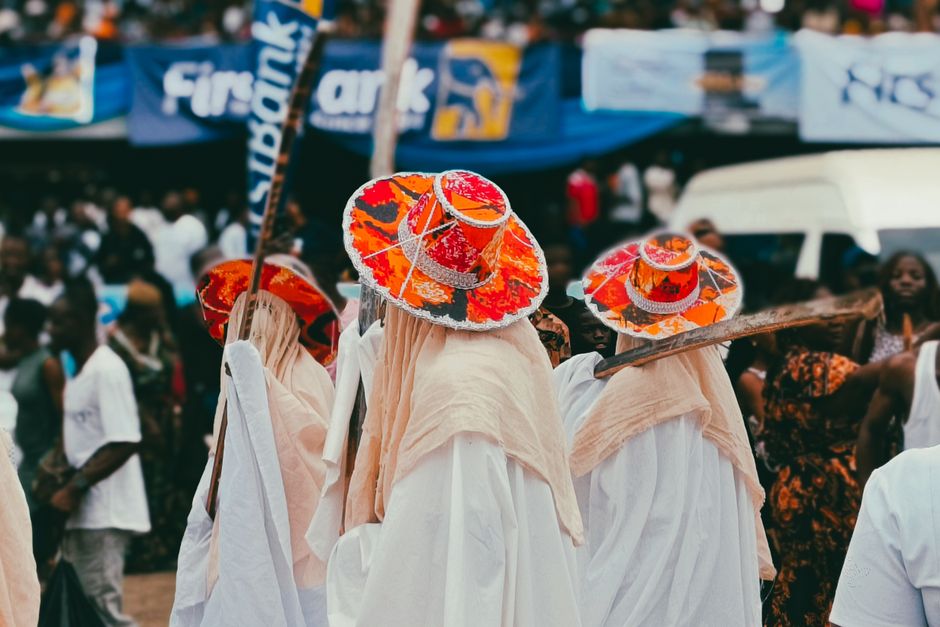
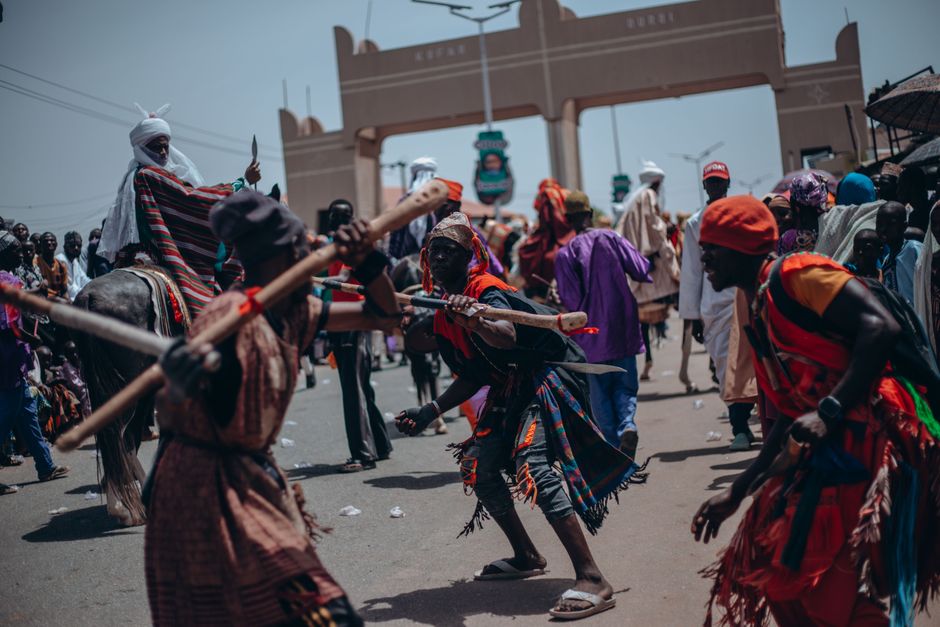
Festivals are an integral part of West African culture, offering a window into the diverse traditions and customs of the region. These events celebrate everything from harvests to historical events, often involving music, dance, and elaborate costumes.
In Nigeria, the Eyo Festival is a vibrant display of Yoruba culture, featuring spectacular parades and masquerades. Similarly, the Osun-Osogbo Festival celebrates the sacred grove of the goddess Osun, drawing thousands of visitors each year.
The Role of Storytelling and Oral Tradition
Storytelling is a revered art form in West Africa, with griots playing a crucial role in preserving history and culture through oral tradition. These storytellers pass down tales of bravery, love, and morality, ensuring that the past is never forgotten.
"In the end, we’ll all become stories." – Margaret Atwood
Conclusion
Exploring West African culture is a journey through history, art, music, and traditions that have shaped the region for centuries. For Nigerian travelers, it's an opportunity to reconnect with their heritage and gain a deeper understanding of the diverse cultures that make up this vibrant part of the world. Whether it's savoring the flavors of a traditional dish, dancing to the beat of the talking drum, or marveling at the intricate designs of a piece of art, West Africa offers a wealth of experiences that linger long after the journey ends.