Nigeria, often hailed as the 'Giant of Africa', is a nation bustling with cultural vibrancy and diversity. With over 250 ethnic groups, Nigeria's cultural landscape is a rich tapestry woven with traditions, languages, and practices that are as varied as they are abundant. From the pulsating rhythm of Lagos to the serene landscapes of Jos, Nigeria offers a cultural experience like no other. Let's embark on a journey through this fascinating country's cultural highlights that have enthralled tourists and researchers alike. Whether you're a native Nigerian or a curious traveler, understanding the depth of Nigeria's culture offers insights into the soul of the nation.
At the heart of Nigeria's cultural identity are its festivals, music, art, and cuisine, each telling its own story. These elements not only reflect the country's history but also its dynamic adaptation to modern influences. As we delve deeper into Nigeria's cultural scene, prepare to be captivated by a blend of the old and new, the traditional and the contemporary.
Navigating through Nigeria's cultural landscape is akin to an adventurous journey, presenting both familiar and surprising discoveries. For Nigerian readers, there is a sense of pride in showcasing the uniqueness of their heritage. For international audiences, it's an invitation to explore beyond the headlines and experience the warmth and vibrancy of Nigerian life.
The Diversity of Nigerian Ethnic Groups
Major Ethnic Groups
Nigeria is home to over 250 ethnic groups, each with its distinct traditions and languages. The largest of these groups are the Hausa-Fulani, Yoruba, and Igbo, which dominate the cultural landscape.
- Hausa-Fulani: Predominantly found in the northern region, this group is known for its rich history of kingdoms and leadership in Islam.
- Yoruba: Residing mainly in the southwest, the Yoruba are celebrated for their contributions to literature, arts, and philosophy.
- Igbo: Based in southeastern Nigeria, the Igbo community thrives on entrepreneurship and vibrant cultural festivals.
Minority Ethnic Groups
Aside from the major groups, there are numerous minority ethnicities, each contributing uniquely to the national culture. The Tiv, Efik, Ibibio, and Ijaw cultures add to Nigeria's diverse cultural mosaic.
The beauty of Nigeria lies in its ability to harmonize diversity, fostering unity through cultural vibrancy.
Nigerian Festivals: A Celebration of Life
Cultural and Religious Festivals
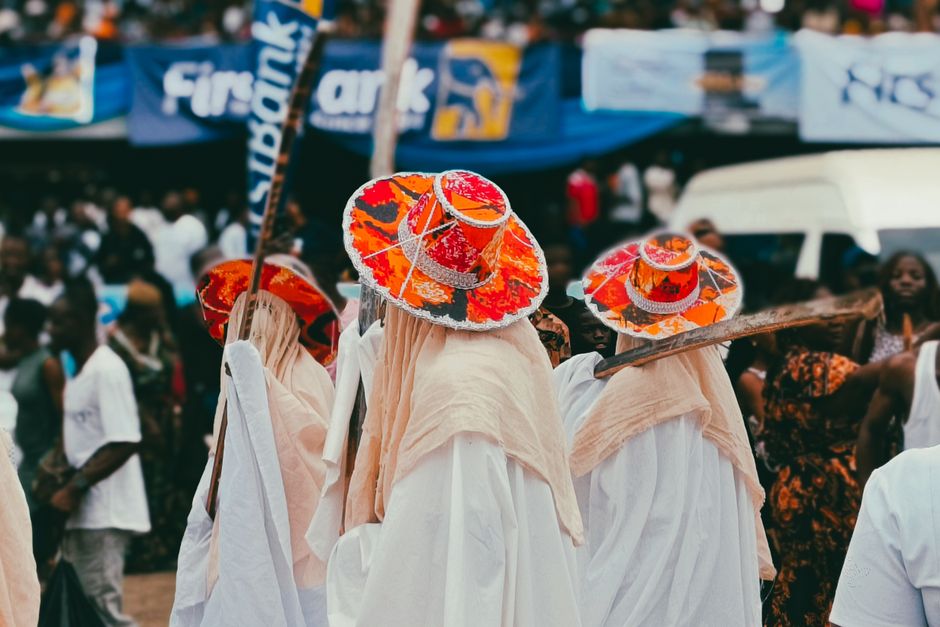
Nigerian festivals reflect both religious beliefs and cultural traditions, offering a vibrant display of music, dance, and art.
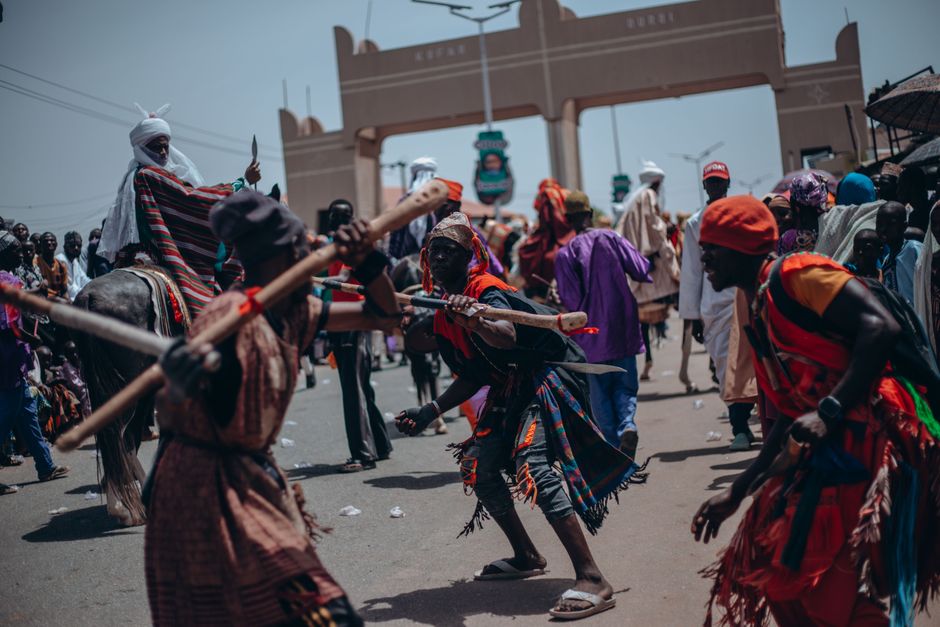
- Durbar Festival: Held in northern Nigeria, this festival features horse parades and is a spectacle of royal pageantry.
- Osun-Osogbo Festival: A UNESCO-recognized event celebrating the Osun River goddess, rich in ritual and traditional practices.
- New Yam Festival: Predominantly celebrated by the Igbo, marking the harvest season with cultural dances and feasting.
Modern Festivals
Alongside traditional festivals, modern events like the Lagos Carnival and Felabration, celebrating the legacy of Fela Kuti, showcase Nigeria's evolving cultural scene.
Nigerian festivals are more than celebrations; they are a testament to the enduring spirit of the people.
The Pulse of Nigerian Music and Dance
Traditional Music and Instruments
Traditional Nigerian music is characterized by the use of indigenous instruments like the talking drum, shekere, and udu.
- Talking Drum: Known for its ability to mimic the rhythm and pace of speech, a staple in Yoruba music.
- Shekere: A percussion instrument made from gourd and beads, prevalent in many cultural ceremonies.
Modern Music Trends
Afrobeats, a genre with global influence, owes much of its success to Nigerian artists like Wizkid, Burna Boy, and Tiwa Savage.
The evolution of Nigerian music reflects the country's ability to inspire and adapt, resonating with audiences worldwide.
Art and Craft: Nigeria's Creative Expression
Traditional Art Forms
Nigerian art is a rich blend of sculpture, pottery, and textiles, with each ethnic group having unique artistic expressions.
- Sculpture: Notably from the Nok and Ife cultures, showcasing intricate metalwork and terracotta artistry.
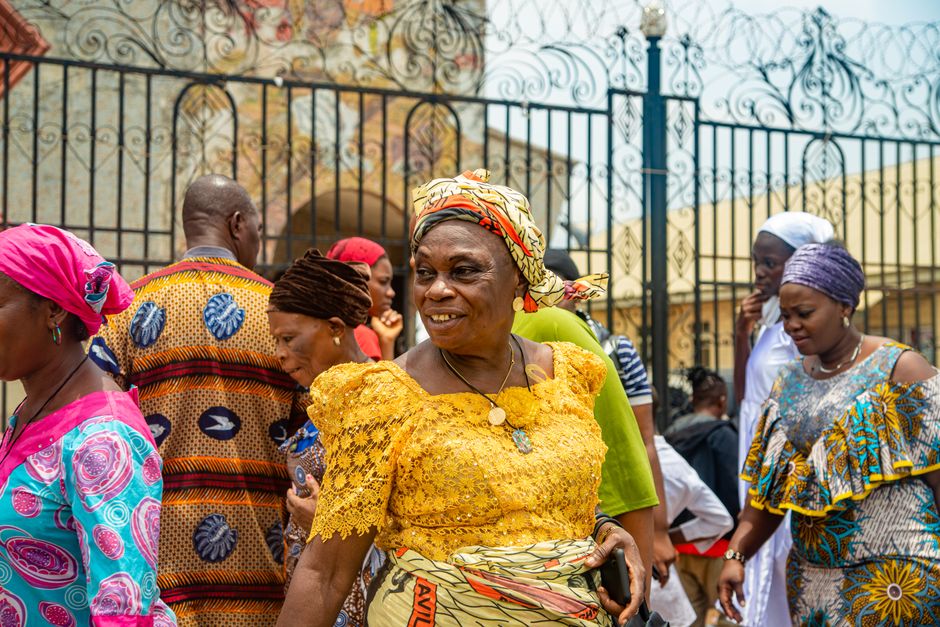
- Textiles: Fabrics like Aso-Oke and Ankara are not just clothing; they're cultural statements.
Contemporary Art Scene
Contemporary Nigerian artists are making waves globally, with exhibitions in major art centers showcasing their innovative works.
Nigerian art, whether traditional or modern, is a reflection of the country's rich cultural narratives.
Culinary Delights: The Flavors of Nigeria
Traditional Nigerian Cuisine
Nigerian cuisine is a flavorful adventure, with dishes like Jollof Rice, Egusi Soup, and Suya offering a taste of the country's rich culinary heritage.
- Jollof Rice: A staple at Nigerian parties, this dish is a vibrant mix of rice, tomatoes, and spices.
- Suya: Spicy skewered meat, often served with onions and pepper, popular across West Africa.
Modern Culinary Trends
Nigerian chefs are redefining traditional recipes, blending them with global culinary techniques to create fusion dishes.
Nigerian cuisine is not just about sustenance; it's a celebration of flavors and cultural heritage.
Conclusion
Nigeria's cultural landscape is as diverse as it is vibrant, offering a myriad of experiences that reflect its rich heritage and modern evolution. From the intricate rhythms of its music to the vibrant colors of its festivals and the tantalizing flavors of its cuisine, Nigeria invites you to explore its cultural treasures. As you dive into the cultural depths of this West African giant, you'll discover a nation that proudly upholds its traditions while embracing the new. Whether you're revisiting familiar cultural touchstones or discovering them for the first time, Nigeria's cultural tapestry offers endless opportunities for exploration and appreciation.