When it comes to exploring the diverse and vibrant cultures of Africa, one cannot overlook the rich tapestry of flavors found in West African cuisine. This region is a culinary treasure trove, known for its bold and unique flavors that are deeply rooted in its history and culture. From Nigeria's jollof rice to Ghana's waakye, West African cuisine offers a delightful experience for food lovers everywhere.
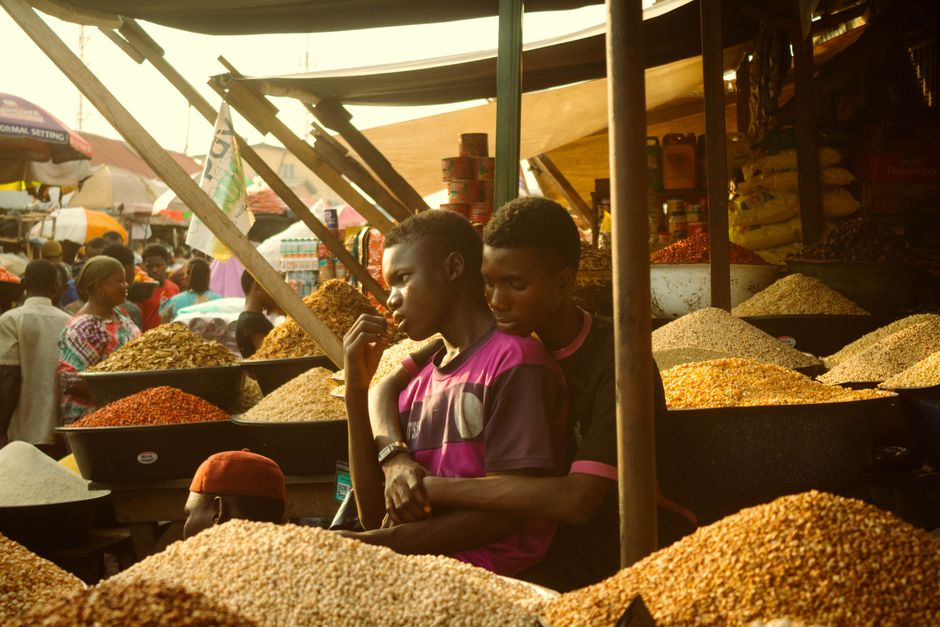
In Nigeria, food is more than just sustenance; it's a way of life, a means of connecting with family and friends. Whether at bustling Lagos markets or during festive occasions, food plays a central role in Nigerian culture. Let's dive into the tantalizing world of West African cuisine and discover what makes it so special.
The Foundation of West African Cuisine
The cuisine of West Africa is built on a foundation of staple ingredients that are both versatile and flavorful. These ingredients are used in various combinations to create dishes that are both nutritious and satisfying.
Staple Ingredients
- Yams and Cassava: These tubers are a fundamental part of West African meals, often boiled, fried, or pounded into a dough-like consistency known as fufu.
- Rice: A staple across the region, rice is often prepared in aromatic dishes like the popular jollof rice.
- Beans: Protein-rich beans are used in many dishes, including the beloved moi moi, a steamed bean pudding.
- Plantains: These are frequently fried or boiled and served alongside main dishes for added flavor and texture.
Spices and Seasonings
West African cuisine is renowned for its bold use of spices and seasonings, which infuse each dish with depth and character.
- Chili Peppers: These add heat and intensity to many West African dishes.
- Ginger and Garlic: These aromatics are essential for adding layers of flavor.
- Thyme and Curry Powder: Commonly used in spice blends to enhance the taste of stews and soups.
- Palm Oil: A distinctive ingredient that gives dishes a rich, vibrant color and flavor.
Iconic Dishes of West Africa
From street food to home-cooked meals, West African cuisine boasts an array of dishes that are as diverse as they are delicious.
Nigerian Delights
Nigeria, the most populous country in Africa, offers a wide range of dishes that reflect its ethnic diversity.
- Jollof Rice: A beloved rice dish cooked with tomatoes, onions, and spices, it's a party favorite across West Africa.
- Egusi Soup: Made with ground melon seeds and leafy greens, this hearty soup is often enjoyed with fufu.
- Puff Puff: These sweet, fried dough balls are a popular snack and street food.
Ghanaian Favorites
Ghanaian cuisine is known for its vibrant flavors and comforting dishes.
- Waakye: A rice and beans dish cooked with millet leaves, often served for breakfast.
- Banku and Tilapia: A fermented corn dough served with grilled fish, typically accompanied by spicy pepper sauce.
- Kelewele: Spicy, fried plantains seasoned with ginger and chili, perfect for a flavorful snack.
The Cultural Significance of Food
In West Africa, food is more than just nourishment; it's a celebration of culture and community.
Food as a Social Connector
Meals are a communal experience, bringing families and friends together to share stories and laughter. Whether it's a festive event or a simple family dinner, food serves as a bridge connecting people.
"Food is symbolic of love when words are inadequate." — Alan D. Wolfelt
Traditional Cooking Methods
Traditional cooking methods, such as using open fires and clay pots, add a distinct flavor to West African dishes. These age-old techniques are part of what makes the cuisine so unique and cherished.
Experiencing West African Cuisine in Nigeria
For those living in or visiting Nigeria, there are countless opportunities to experience the authentic flavors of West African cuisine.
Local Markets
Lagos markets are bustling with vendors selling fresh produce, spices, and street food, offering a sensory overload of colors and aromas.
Restaurants and Street Food
From upscale restaurants to roadside stalls, the culinary scene in Nigeria caters to all tastes and budgets, showcasing the country's rich culinary heritage.
Cooking Classes
For an immersive experience, consider taking a cooking class to learn how to prepare traditional Nigerian dishes from skilled local chefs.
Conclusion
West African cuisine is a celebration of flavor, culture, and community. It embodies the rich history and diversity of the region, offering a culinary journey that is both exciting and fulfilling. Whether you're exploring the bustling markets of Lagos or enjoying a home-cooked meal, the vibrant tastes of West Africa are sure to leave a lasting impression.