East Africa is a region brimming with cultures as diverse and captivating as its landscapes. From the bustling streets of Nairobi to the tranquil shores of Zanzibar, this part of Africa offers a cultural experience that is both enriching and enlightening. For Nigerian travelers looking to expand their horizons, East Africa presents an opportunity to explore traditions, music, and culinary delights that are both familiar and novel.
Whether you're drawn to the rhythmic beats of the Swahili coast or the ancient tales of Ethiopia's highlands, East Africa promises a journey through time and tradition. Let's delve into the rich cultural tapestry that awaits you in this vibrant region.
The Swahili Coast: A Melting Pot of Cultures
The Swahili Coast, stretching from southern Somalia to northern Mozambique, is a testament to centuries of cultural exchange. Here, African, Arab, Persian, Indian, and European influences blend seamlessly, creating a unique cultural mosaic.
The Swahili Language
Swahili, or Kiswahili, is the lingua franca of East Africa, spoken by millions across the region. Its roots are deeply embedded in the trade routes that once connected Africa to the rest of the world, making it a language of commerce, culture, and communication.
For Nigerian visitors, learning a few Swahili phrases can enhance interactions and provide deeper insights into the local way of life. Common phrases like "Jambo" (Hello) and "Asante" (Thank you) are easy to pick up and appreciated by locals.
Zanzibar: The Spice Island
Just off the coast of Tanzania lies Zanzibar, an island known for its spice plantations and historical Stone Town. Visiting Zanzibar is like stepping into a living museum where the past meets the present in fascinating ways.
- Stone Town: Wander through narrow alleyways and explore ancient buildings, a UNESCO World Heritage Site.
- Spice Tours: Discover the rich aroma of cloves, nutmeg, and cinnamon on guided tours of the island's lush plantations.
"Zanzibar's spice tours are a feast for the senses, offering a glimpse into the island's aromatic heritage."
The Music and Dance of East Africa
Music and dance are integral parts of East African culture, providing a powerful medium for storytelling and social connection. From the soulful rhythms of taarab in Zanzibar to the energetic beats of Benga in Kenya, there's a symphony for every ear.
Traditional Instruments
East African music is characterized by the use of traditional instruments like the nyatiti, a stringed instrument from Kenya, and the marimba, widely played across the region. These instruments create sounds that are both haunting and uplifting.
Nigerian travelers might find parallels between these instruments and those found in Nigeria, offering a familiar yet fresh auditory experience.
Festivals and Celebrations
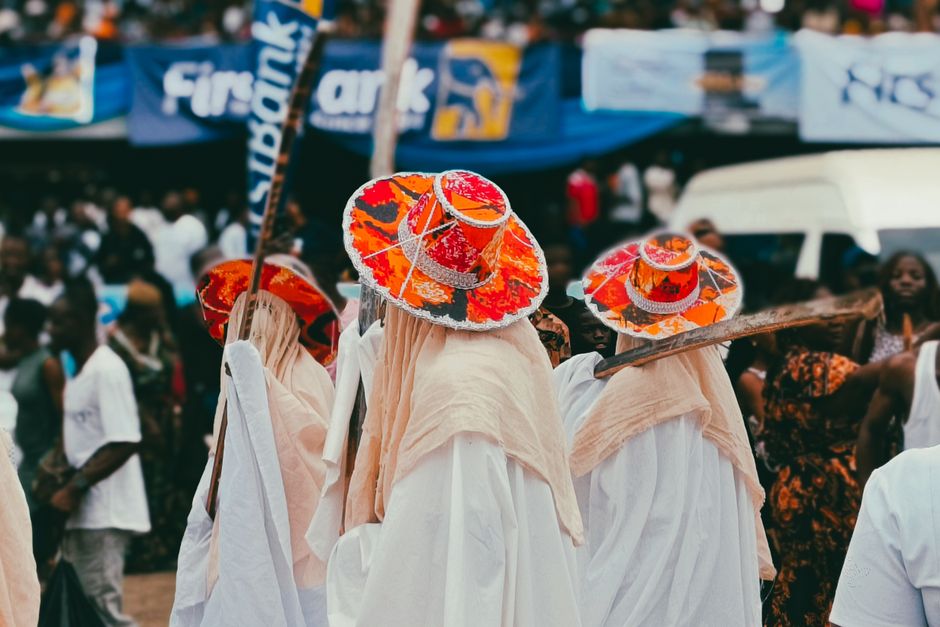
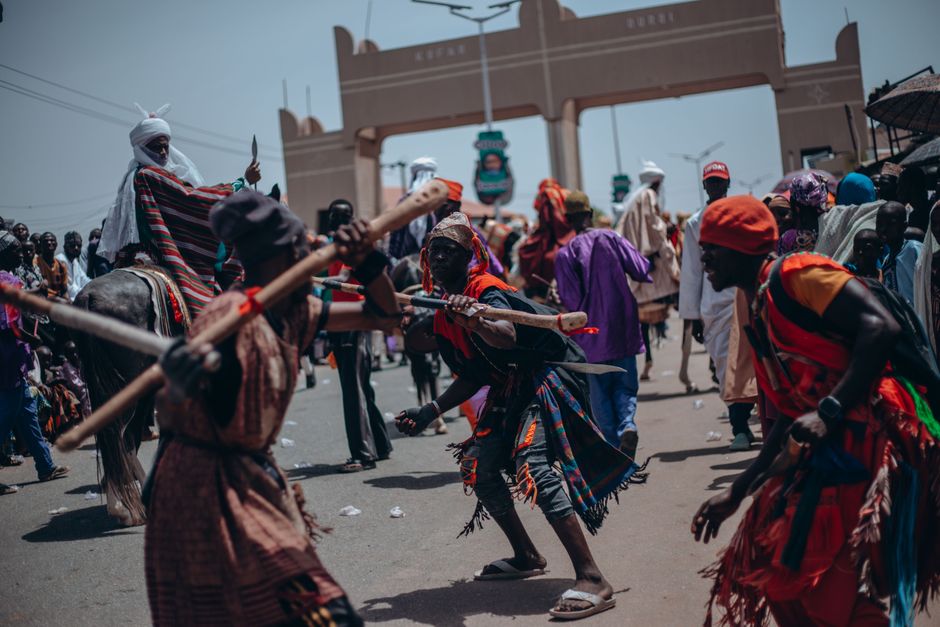
Throughout the year, East Africa comes alive with festivals celebrating everything from harvests to historical events. The Mombasa Carnival in Kenya and the Sauti za Busara festival in Zanzibar are just two examples where music and dance take center stage.
- Mombasa Carnival: A vibrant parade featuring colorful floats and traditional dancers.
- Sauti za Busara: An annual music festival showcasing the best of African music.
"East African festivals are a celebration of life, bringing communities together through music and dance."
Culinary Delights: A Fusion of Flavors
The culinary scene in East Africa is as diverse as its culture, with each country offering distinct flavors and dishes. Whether you're savoring a spicy Ugandan stew or indulging in a sweet Ethiopian injera, East African cuisine is a gastronomic adventure.
Popular Dishes
Each nation in East Africa boasts its signature dishes that reflect its history and agrarian landscape. Here's a taste of what to expect:
- Ugali: A staple in many East African countries, similar to Nigeria's eba, made from maize flour.
- Nyama Choma: A Kenyan barbecue experience that meat lovers will relish.
- Injera: A spongy flatbread served with various stews, a staple in Ethiopian cuisine.
Street Food Adventures
For those who love street food, cities like Kampala and Dar es Salaam offer an array of delicious snacks that are both affordable and mouth-watering. From samosas to mandazi (East African donuts), the street food scene is vibrant and inviting.
"Exploring East Africa's street food is a journey through flavors, from spicy to sweet, offering something for every palate."
Traditional Attire and Art
Clothing and art are essential aspects of cultural expression in East Africa. Vibrant textiles and intricate beadwork are not only used for daily wear but also for ceremonial occasions.
Kanga and Kitenge
Colorful fabrics like kanga and kitenge are popular throughout East Africa. These textiles are used to make clothing, head wraps, and even used as baby carriers.
- Kanga: A rectangular piece of cloth with Swahili sayings, often used as a wrap or skirt.
- Kitenge: A wax-printed fabric, similar to Ankara in Nigeria, used in fashion and decor.
Traditional Crafts
Artisans across East Africa produce a wide range of crafts, from Maasai beadwork to Makonde carvings.
These crafts make for unique souvenirs and are a testament to the region's rich artistic heritage.
"East African crafts are a beautiful expression of cultural identity, each piece telling a story of tradition and craftsmanship."
Conclusion
East Africa is a region where tradition and modernity converge, offering Nigerian travelers a chance to immerse themselves in a world of cultural richness and diversity. From the harmonious blend of languages and music to the tantalizing tastes of local cuisine, East Africa is a destination that promises discovery and delight at every turn.
So pack your bags, brush up on your Swahili, and prepare for an unforgettable journey through one of Africa's most culturally vibrant regions.