East Africa, a region known for its stunning landscapes and rich biodiversity, also boasts a vibrant tapestry of cultural heritage. From the Swahili coast to the highlands of Ethiopia, each locale is steeped in traditions that date back centuries. For Nigerian travelers, exploring East Africa offers a fascinating glimpse into diverse cultures and lifestyles that, while distinct, often resonate with our own. Whether you're captivated by the Maasai's colorful beadwork or the soulful tunes of taarab music, East Africa's cultural offerings promise an enriching journey.
Nigerian readers can find both familiarity and novelty in East Africa's cultural landscape. The region's music and dance, storytelling traditions, and culinary delights offer parallels and departures that make travel both comforting and exhilarating. Let's delve into the distinct and vibrant cultural heritage of this magnificent part of the continent.
The Vibrant Culture of the Swahili Coast
History and Influence
The Swahili Coast, stretching from southern Somalia through Kenya and Tanzania to northern Mozambique, is a melting pot of cultures. This area has long been a hub of trade, connected to the Arab world, India, and beyond through the Indian Ocean trade routes.
The Swahili culture is a testament to centuries of exchange and influence, visible in its architecture, language, and customs.
Music and Dance
The region is famous for taarab music, a genre that blends African, Arab, and Indian influences. Instruments like the oud and qanun are often used, creating melodies that are both haunting and joyful.
- Common instruments: oud, qanun, and drums
- Popular genres: taarab, bongo flava
Dance is also integral, with styles like chakacha providing energetic performances at festivals and celebrations.
Cuisine and Markets
Swahili cuisine, characterized by spices and seafood, is a culinary delight. Nigerian travelers will find familiar ingredients like plantains and rice, infused with the flavors of coconut and cardamom.
- Popular dishes: pilau, samosas, and mandazi
- Key markets: Mombasa's Old Town market, Zanzibar's Darajani Market
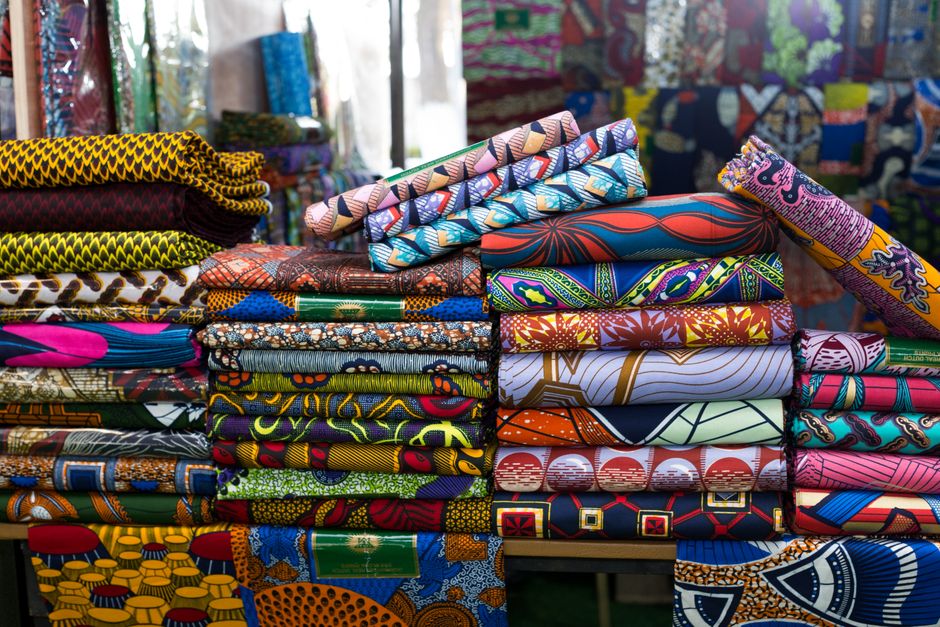
Exploring local markets offers a sensory experience with an array of spices, textiles, and crafts.
Discovering Maasai Culture
Traditional Practices and Crafts
The Maasai, known for their distinctive red shukas and intricate beadwork, are predominantly found in Kenya and northern Tanzania. Their semi-nomadic lifestyle has preserved many ancient customs.
The beadwork, often created by women, is not just ornamental; each color and pattern has a specific significance related to identity and status.
Rituals and Celebrations
Rituals such as the Eunoto ceremony mark the transition of young men to warrior status. These ceremonies are vibrant affairs, filled with singing, dancing, and storytelling.
- Key rituals: Eunoto, Enkipaata (initiation ceremony)
- Main celebrations: weddings and festivals
Maasai storytelling, an oral tradition, is used to pass down history, morals, and wisdom across generations.
The Cultural Tapestry of Ethiopia
Ancient History and Traditions
Ethiopia, one of the oldest nations in the world, offers a rich historical and cultural experience. It is home to unique traditions, from the ancient rock-hewn churches of Lalibela to the historical city of Aksum.
Ethiopia's history is deeply intertwined with its cultural practices, offering insights into ancient civilizations and religious traditions.
Music and Dance
Traditional Ethiopian music is characterized by its unique pentatonic scale and instruments like the masenqo and krar. Dance is an integral part of cultural expression, with each region boasting its own style.
- Traditional instruments: masenqo, krar
- Dance styles: Eskista, Gurage dance
Culinary Delights
Injera, a sourdough flatbread, is the staple of Ethiopian cuisine, often served with a variety of spicy stews. Ethiopian coffee ceremonies are a must-experience, reflecting the country's historical role as the coffee's birthplace.
- Key dishes: Doro Wat, Tibs, and Shiro
- Experience: Traditional Ethiopian coffee ceremony
Uganda: The Pearl of Africa
People and Traditions
Uganda's cultural heritage is as diverse as its landscapes. The country is home to over 50 ethnic groups, each with its own language, dance, and customs.
One of the most well-known traditions is the Buganda Kingdom's cultural ceremonies, which include the vibrant coronation ceremonies of the Kabaka (king).
Music and Dance
Music is an integral part of Ugandan culture, with traditional sounds influenced by ethnic diversity. Instruments like the adungu (harp) and traditional drums create rhythms that accompany dances such as the Bakisimba.
- Key instruments: adungu, drums
- Dance styles: Bakisimba, Nankasa
Culinary Experiences
Ugandan cuisine is rich and diverse, with staples such as matoke (green bananas) and posho (maize porridge). Street food is also a highlight, offering everything from Rolex (chapati rolled with eggs) to grilled meats.
- Main dishes: Matoke, Luwombo
- Street food: Rolex, Muchomo
Final Thoughts
Exploring East Africa's cultural heritage is like embarking on a journey through time, where every turn offers a new discovery. For Nigerian travelers, the region offers not only a chance to see the world from a different perspective but also to reflect on the common threads that connect us across the continent. Whether you're drawn by the rhythm of East African music, the flavors of its cuisine, or the stories of its people, you're sure to find experiences that resonate deeply and leave a lasting impression.
As you plan your next adventure, consider the rich cultural landscapes of East Africa. Each country, each community, and each tradition holds a unique story waiting to be discovered.