East Africa is a region teeming with vibrant cultures and rich traditions, each more captivating than the last. As a Nigerian reader, you might find the diversity in East African cultures both familiar and remarkably unique. Whether it's the colorful Maasai attire or the historic Swahili architecture, there's something in East Africa that resonates with our own Nigerian heritage.
Imagine walking through the bustling markets of Kampala, Uganda, where the air is thick with the aroma of spices not unlike those found in Lagos' Balogun Market. Or envision yourself attending a traditional coffee ceremony in Ethiopia, where the social dynamics mirror the warmth of Nigerian gatherings over pepper soup.
This journey through East Africa isn't just about sightseeing; it's about connecting with stories, histories, and traditions that have been passed down through generations. Let's delve into the cultural landscapes of East Africa and discover what makes this region a cultural treasure trove.
The Colourful Traditions of the Maasai People
Understanding the Maasai Culture
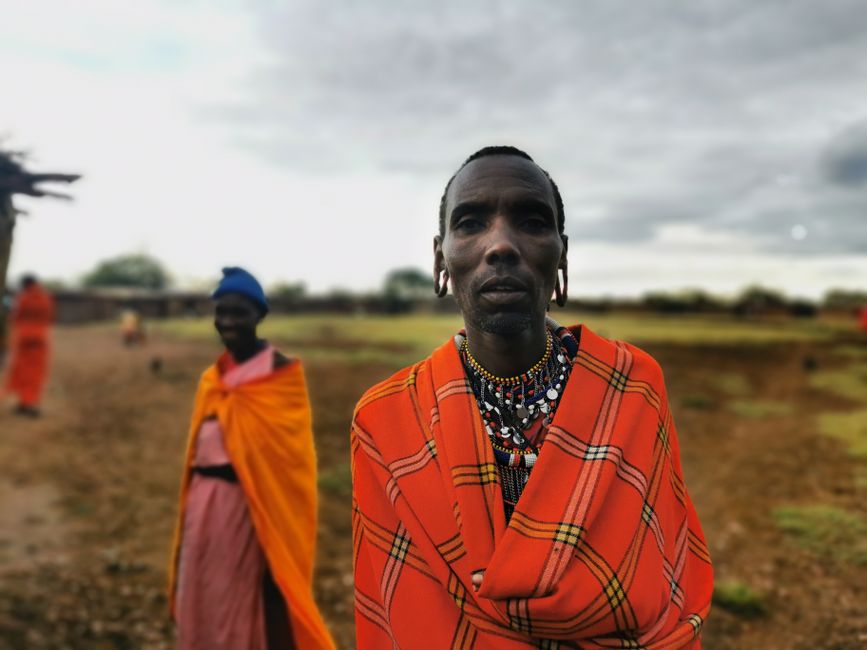
The Maasai people, predominantly found in Kenya and northern Tanzania, are one of the most recognizable ethnic groups in Africa. Known for their distinctive red attire and beadwork, the Maasai culture is steeped in tradition. Much like many Nigerian tribes, the Maasai have managed to preserve their customs amidst modern influences.
"To learn about the Maasai is to witness a people who have mastered the art of balance between tradition and modernity."
Attending a Maasai Ceremony
If you're fortunate enough to attend a Maasai ceremony, you'll notice similarities to Nigerian festivals - the rhythmic dances, the communal singing, and the vibrancy of the gathering. These events are not just celebrations; they are communal affirmations of identity and continuity.
- Traditional Dancing: Much like the Yoruba talking drum, the Maasai use music and dance to communicate and narrate their stories.
- The Moran: Young Maasai warriors, like Nigeria's own youth custodians of culture, play a crucial role in preserving these traditions.
The Swahili Coast: Where History Meets Culture
The Influence of Swahili Culture
The Swahili Coast stretches along the eastern shores of Africa, from Somalia to Mozambique. This region is known for its rich blend of African, Arab, and Indian influences, much like Nigeria's own diverse cultural tapestry.
Exploring the Swahili culture is akin to stepping into a living museum where every stone and building tells a story of trade, migration, and cultural exchange.
Key Historical Sites
For Nigerian travelers, visiting the ancient town of Lamu in Kenya or Zanzibar's Stone Town in Tanzania can be an eye-opener into the architectural and cultural complexities of East Africa.
- Lamu Old Town: A UNESCO World Heritage site, similar to Nigeria's own Osun-Osogbo Sacred Grove, it offers a glimpse into the region's history.
- Stone Town: Known for its narrow streets and dhow culture, reminiscent of Nigeria's historic Victoria Island waterways.
Rwanda: A Beacon of Resilience and Cultural Revival
Navigating Rwanda's Cultural Landscape
Rwanda, often referred to as the "Land of a Thousand Hills," offers a poignant narrative of resilience. Post-genocide, this country has made significant strides in cultural preservation and unity, drawing parallels with Nigeria's own journey of overcoming past challenges.
"Rwanda's story is a testament to the power of cultural resilience and the spirit of unity."
Experiencing Intore Dance
Intore, or "dance of heroes," is a traditional Rwandan dance that embodies the spirit of the people. Much like Nigerian traditional dances, it celebrates history and cultural identity.
- The Battle Dance: Similar to the fierce movements in Nigerian Bata or Atilogwu dances, Intore involves energetic movements and vibrant costumes.
- Cultural Festivals: Attending a Rwandan cultural festival can offer insights akin to those gathered from Nigeria's Calabar Carnival.
Uganda: The Pearl of Africa's Cultural Riches
The Diversity of Ugandan Cultures
Uganda, often hailed as the "Pearl of Africa," is a cultural mosaic with over 50 ethnic groups. This diversity is mirrored in Nigeria's own multi-ethnic composition, offering a sense of familiarity to Nigerian travelers.
From the Buganda kingdom's regal traditions to the vibrant music scene in Kampala, Uganda's cultural offerings are as diverse as they are rich.
The Kabaka's Palace
A visit to the Kabaka's Palace in Kampala is a must for anyone interested in the regal histories of Africa. Similar to Nigeria's Oba's palaces, it offers a glimpse into the royal traditions and cultural legacies.
- Traditional Ceremonies: Like Nigeria's Eyo festival, Uganda hosts the Royal Coronation Ceremony, a spectacle of color and tradition.
- Cultural Music: The sounds of traditional instruments echo the beats of Nigeria's own cultural rhythms.
Final Thoughts
As a Nigerian traveler venturing into East Africa, the journey is as much about self-discovery as it is about cultural exploration. The similarities and differences you'll encounter will enrich your perspective on Africa as a whole. East Africa's cultural heritage is a testament to the continent's vast and varied history, a narrative that every African, especially Nigerians with their own rich heritage, can appreciate and learn from.
So pack your bags, bring your curiosity, and embark on a journey that promises to be as enlightening as it is enjoyable. The cultural treasures of East Africa await, ready to share their stories with you.