Nigeria, a country known for its diversity, is a mosaic of cultures, languages, and traditions. What better way to dive into this rich tapestry than by experiencing its vibrant cultural festivals? These celebrations are more than just events; they are a gateway into the lives, beliefs, and values of the Nigerian people. From the pulsating rhythms of traditional drums to the colorful displays of attire, Nigerian festivals offer a sensory overload that is both captivating and enlightening. Whether you're a local or a traveler yearning to understand the soul of Nigeria, these festivals provide an unforgettable experience.
In this article, we'll journey through some of Nigeria's most notable cultural festivals. We'll unravel the stories behind them, explore their significance, and offer tips on how to experience these events like a local. So, prepare to be enchanted by Nigeria's cultural heartbeat.
The Importance of Festivals in Nigerian Culture
Festivals in Nigeria are more than mere celebrations; they are integral to the cultural and social fabric of the country. Each festival is an opportunity for storytelling, a medium through which historical events, spiritual beliefs, and communal values are passed down through generations.
Preservation of Heritage
At their core, Nigerian festivals are about preserving heritage. They ensure that traditions are not lost to modernity but are instead celebrated and adapted over time.
For instance, the Osun-Osogbo Festival, with its roots in Yoruba mythology, showcases the enduring connections between the people and their ancestors.
Unity and Community
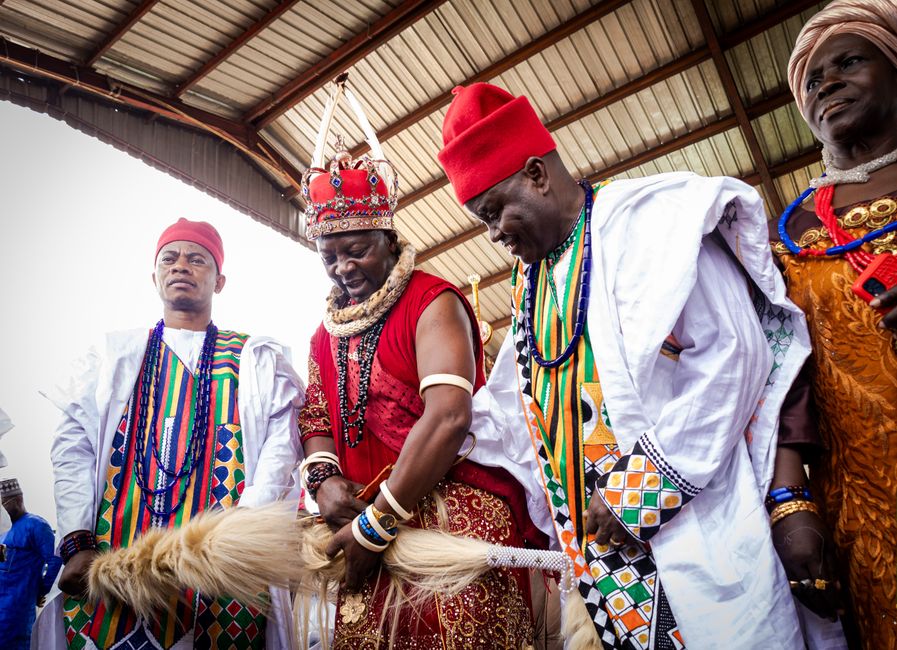
Festivals bring communities together, transcending age, status, or religious affiliations. They are a time for reconciliation, celebration, and communal bonding. During the New Yam Festival, celebrated by the Igbo people, communities come together to give thanks for a bountiful harvest and to strengthen communal ties.
Top Nigerian Festivals to Experience
Here are some must-experience festivals that showcase the vibrancy and diversity of Nigerian culture:
Osun-Osogbo Festival
Held annually in Osogbo, this festival is a two-week long traditional celebration that honors the goddess Osun. It is a UNESCO-listed intangible cultural heritage, attracting tourists and Osun worshippers worldwide.
- The grand finale features a procession to the sacred Osun River, where offerings are made.
- The festival is a fusion of cultural performances, spiritual rites, and art exhibitions.
Eyo Festival
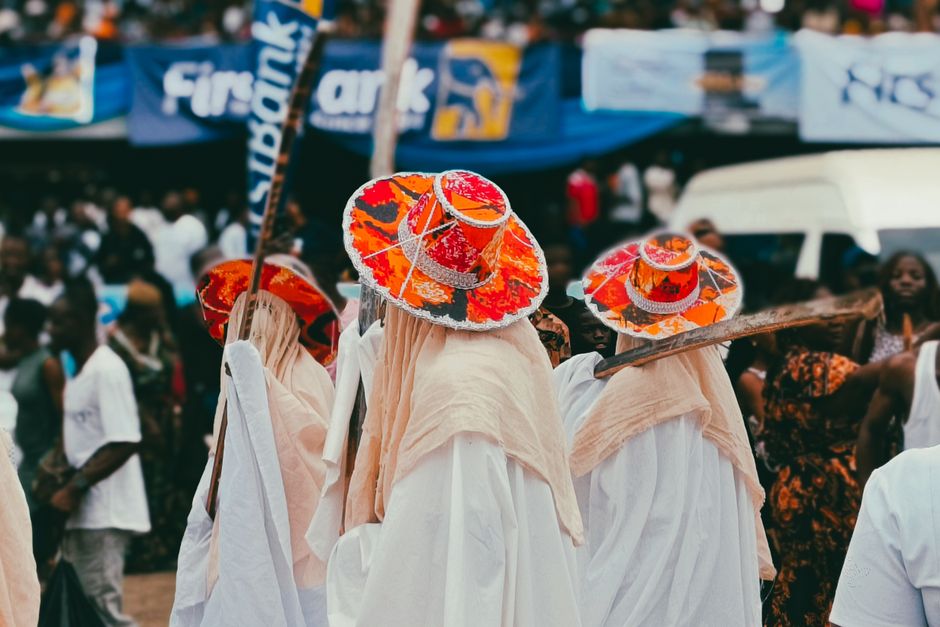
Unique to Lagos, the Eyo Festival is a dazzling display of Yoruba culture. Participants, known as 'Eyo', dress in white robes and hats, embodying spirits who cleanse the city of evil. The festival is a precursor to modern-day carnivals, with a touch of mysticism.
- It usually precedes the coronation of a new Oba or inaugurates an important state event.
- The festival is characterized by the Eyo masquerades, who parade through the streets of Lagos Island.
Durbar Festival
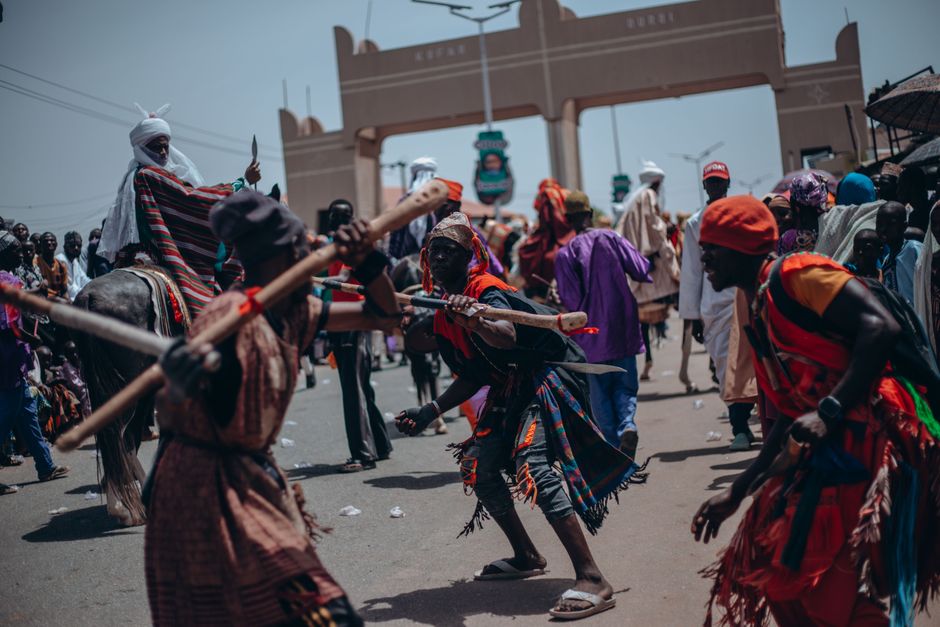
The Durbar Festival is a regal event that takes place in the northern cities of Nigeria, such as Kano, Katsina, and Zaria. Rooted in Islamic and Fulani traditions, this festival commemorates military victories, religious occasions, or the end of Ramadan.
- The main highlight is the grand procession of horsemen adorned in traditional regalia.
- The festival showcases the rich history of the northern emirates through music, dance, and horsemanship.
Practical Tips for Attending Nigerian Festivals
Visiting a Nigerian festival can be an overwhelming experience for first-timers. Here are some tips to help you navigate the festivities:
Respect Local Customs
Understanding and respecting local customs is crucial. For instance, during the Osun-Osogbo Festival, visitors should dress modestly and avoid photographing sacred sites without permission.
Plan Ahead
Many festivals attract large crowds, so plan your accommodations and transportation well in advance. For popular festivals like the Durbar, booking a guided tour can enhance your experience.
"Experiencing a Nigerian festival is like stepping into a living museum where history, culture, and creativity converge."
Conclusion
Nigeria's cultural festivals are a testament to the country's rich heritage and diversity. They offer an immersive experience that goes beyond surface-level tourism, inviting you to understand and appreciate the depth of Nigerian traditions. Whether you're dancing to the beats of the talking drum in Osogbo or watching the majestic procession in Kano, these festivals promise memories that will linger long after the celebrations end. So, pack your bags and get ready to embark on a cultural odyssey through Nigeria's vibrant festival scene.