Nigeria, the giant of Africa, is not just a country of vast landscapes and bustling cities; it is a tapestry of rich cultural heritage that beckons explorers to uncover its many layers. From the vibrant festivals that illuminate its cities to the traditional arts that narrate ancient stories, Nigeria is a mosaic of cultural expressions waiting to be discovered. As you embark on this journey through Nigeria's cultural landscape, prepare to be enchanted by the diversity and depth that define this West African powerhouse.
Whether it's the rhythmic beats of traditional drumming that resonate through the air or the colorful attire that brightens the streets during festivals, Nigeria offers a unique blend of experiences that speak to the soul. As a Nigerian, you might find familiar echoes of your own traditions, or perhaps discover new elements of cultural pride to share with others.
Join us as we delve into the heart of Nigeria's cultural heritage, exploring the elements that make it a vibrant and integral part of the African continent.
The Intricacies of Nigerian Festivals
Eyo Festival: A Spectacle of Elegance
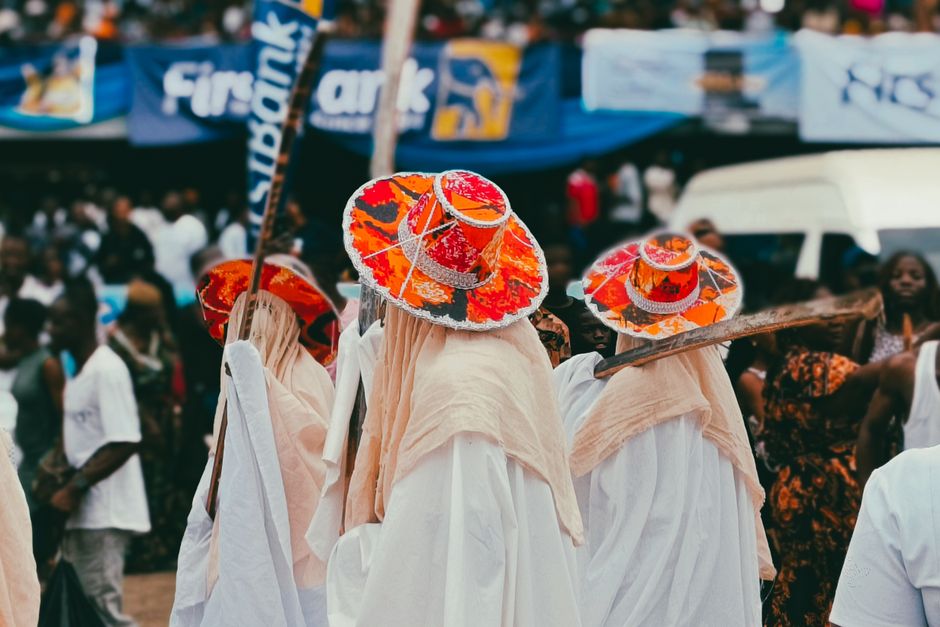
Held in Lagos, the Eyo Festival is an event unlike any other, where participants don white flowing robes and hats, transforming the city into a sea of white. This festival, rooted in Yoruba tradition, is a cultural extravaganza that celebrates the life of a notable figure or welcomes a new leader.
"Eyo is more than a festival; it's a celebration of life and a reflection of the Yoruba culture's richness," says cultural historian Dr. Adeyemi.
Durbar Festival: A Royal Display
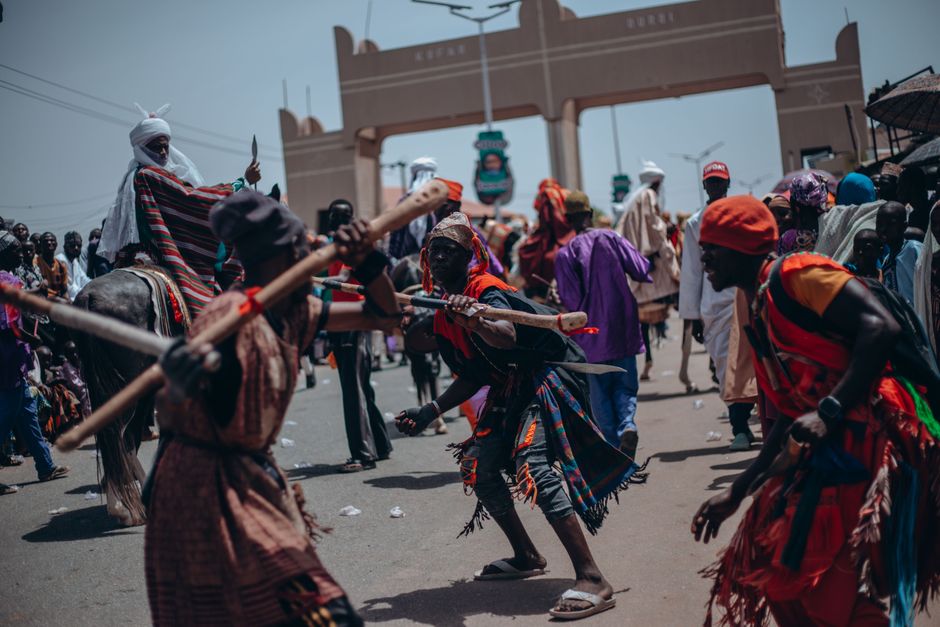
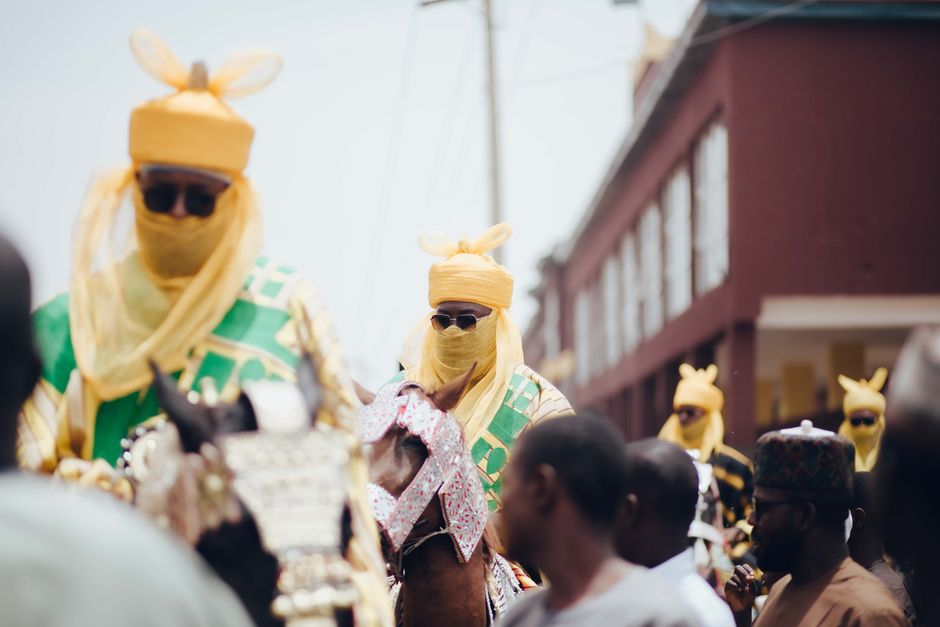
The Durbar Festival, held in northern cities like Kano and Katsina, showcases royal pageantry at its finest. Horsemen in lavish attire parade through the streets, paying homage to the emir. This event is not only a celebration but also a symbol of unity and cultural pride among the northern tribes.
- Experience the thrill of horse racing and traditional dances.
- Witness the vibrant display of traditional costumes and regalia.
- Enjoy the communal feasting that accompanies the festivities.
Traditional Arts and Crafts
Adire: The Art of Tie-Dye
Adire, a traditional Yoruba textile art, involves intricate tie-dye techniques that create stunning patterns. This craft is not just an art form but a cultural identity, often used in clothing for special occasions. The process of creating Adire is labor-intensive, demonstrating the artistry and dedication of Nigerian artisans.
Nok Terracotta: Ancient Sculptural Masterpieces
The Nok culture, known for its terracotta sculptures, dates back to 1000 BC. These sculptures, with their detailed craftsmanship, are among Nigeria's most significant archaeological finds. They offer a glimpse into the ancient societies that once thrived in the region.
"The Nok terracottas are a testament to the early sophistication and artistic prowess of Nigerian societies," notes archaeologist Dr. Musa.
Nigerian Cuisine: A Flavorful Journey
Jollof Rice: A West African Staple
No exploration of Nigerian culture is complete without savoring its cuisine. Jollof rice, a beloved dish, is a staple at Nigerian gatherings. Its rich, spicy flavors encapsulate the essence of Nigerian hospitality and are sure to delight anyone who tries it.
Suya: A Taste of the Street
Suya, a popular street food, is a spicy grilled meat skewer that embodies the vibrant culinary culture of Nigeria. Often enjoyed with friends and family, Suya stands as a symbol of Nigeria's communal spirit and love for flavorful food.
The Role of Music and Dance
Afrobeats: Nigeria's Global Sound
Afrobeats, a genre that has taken the world by storm, originates from Nigeria. With its infectious rhythms and captivating beats, Afrobeats is a cultural export that has put Nigeria on the global music map.
Igbo Highlife: A Melodic Tradition
Igbo Highlife music, with its smooth melodies and meaningful lyrics, is a genre that tells the stories of the Igbo people. This music style is not only entertaining but also serves as a historical record of the Igbo community's experiences and aspirations.
Conclusion
Nigeria's cultural heritage is as vast as it is varied, offering a rich tapestry of traditions, arts, and celebrations. By exploring its cultural landscape, you not only gain insights into the history and diversity of Nigeria but also connect with the very essence of African identity. Whether you're attending a colorful festival, dancing to the beats of Afrobeats, or enjoying the flavors of Nigerian cuisine, each experience adds another layer to your understanding of this remarkable country.
As you immerse yourself in Nigeria's cultural treasures, you become part of a vibrant narrative that continues to evolve, embracing both the past and the future. Nigeria awaits, with open arms and a cultural experience like no other.