Ghana, often hailed as the 'Gold Coast', is not only rich in mineral resources but also in cultural heritage. The country's vibrant history is woven into the fabric of its daily life, manifested in its festivals, art, music, and traditions. For Nigerian readers, exploring Ghana offers a close-to-home adventure that brings West African heritage to life, showcasing both similarities and unique distinctions in our cultures.
Understanding Ghana's cultural depth provides a fascinating perspective on how its people celebrate life, honor their past, and embrace the future. From the bustling streets of Accra to the serene landscapes of the Volta Region, Ghana is a cultural tapestry waiting to be explored.
Festivals: A Vibrant Expression of Tradition
Homowo Festival
The Homowo Festival, held by the Ga people, is one of Ghana's most famous celebrations. This harvest festival occurs in August, and its name, meaning 'hooting at hunger', reflects the Ga people's victorious survival over famine. During Homowo, communities come together to enjoy traditional meals, with the highlight being the 'kpokpoi' dish, made from corn and palm nut soup.
For Nigerians familiar with New Yam Festivals, Homowo offers a similar sense of community and celebration, emphasizing gratitude and unity.
Aboakyer Festival
Among the Efutu people, the Aboakyer Festival is an annual event symbolizing their history and bravery. The festival includes a deer hunt, which is believed to bring blessings to the community. This unique tradition is steeped in spirituality and encourages participation from both locals and visitors.
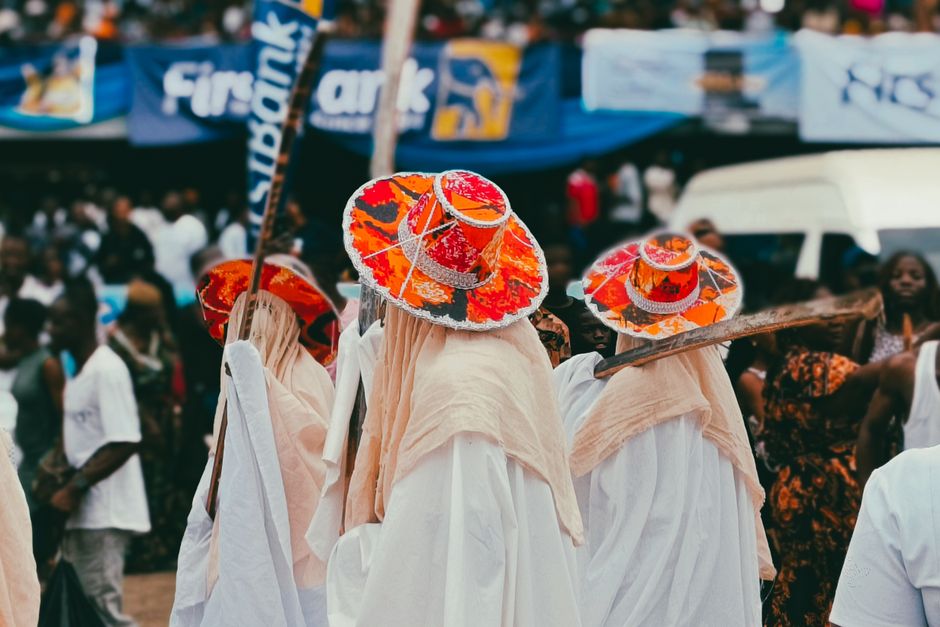
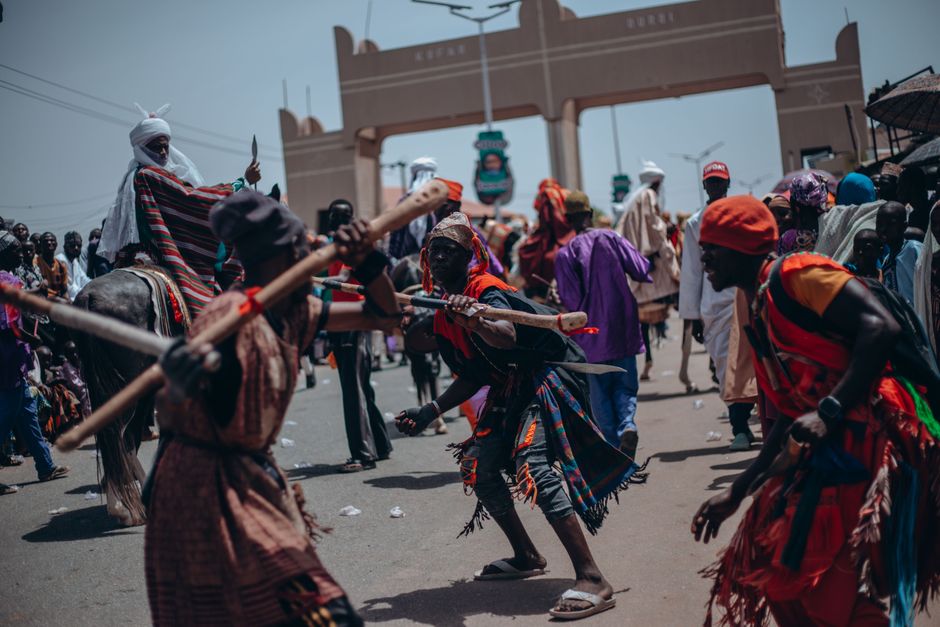
Comparatively, this festival provides an exciting spectacle, akin to some of Nigeria's masquerade festivals, where traditional beliefs are celebrated with pomp and pageantry.
Traditional Crafts: The Heart of Ghanaian Artistry
Kente Cloth Weaving
Kente cloth is a symbol of Ghanaian heritage and identity. This vibrant fabric is handwoven with intricate designs, each pattern telling a unique story or conveying a specific message.
Tip: Visit Bonwire, a village renowned for its kente weaving, where you can learn the history behind various patterns and even try your hand at weaving.
Adinkra Symbolism
Adinkra symbols are another cornerstone of Ghanaian art. These symbols are printed on cloths and pottery, each carrying philosophical meanings. For instance, the 'Gye Nyame' symbol represents the omnipotence of God.
Nigerian visitors may find parallels between Adinkra symbols and Yoruba or Igbo tribal symbols, each serving as cultural identifiers with deep meanings.
Music and Dance: The Soul of Ghana
Highlife Music
Ghana's Highlife music is a rhythmic blend of traditional African music and Western influences. This genre has been a staple in Ghanaian society, often played at social events and celebrations.
For Nigerians, Highlife holds a familiar charm, echoing the sounds of our own Afrobeat and Juju music, yet retaining its distinctive Ghanaian essence.
Traditional Dance
The energetic movements of traditional Ghanaian dances like Adowa and Kpanlogo are not only entertaining but also serve as a medium for storytelling and cultural expression.
Engaging with these dances allows Nigerian travelers to experience a different dimension of West African culture, one that is both familiar and refreshingly distinct.
Cuisine: A Taste of Ghana
Jollof Rice Wars
No conversation about Ghanaian culture is complete without mentioning the infamous Jollof rice debate. Both Nigeria and Ghana claim to have the best version of this beloved dish. While the debate is lighthearted, it underscores the deep culinary connections between our two nations.
Did you know? Ghanaian Jollof is typically spicier, with a distinctive tomato base. Try both versions and decide for yourself!
Street Food Delights
Ghana's street food scene is a vibrant mix of flavors and aromas. From 'waakye' to 'kebab', the streets offer a culinary adventure that caters to all palates.
For Nigerians used to the delights of suya and akara, Ghanaian street food provides a deliciously different yet comforting experience.
Final Thoughts
Ghana's cultural heritage is a captivating journey through history, art, and daily life. For Nigerian travelers, it offers an opportunity to explore a neighboring culture that is both familiar and novel. Whether you're attending a festival, exploring traditional crafts, or indulging in the local cuisine, every experience in Ghana is a step into a rich cultural tapestry that celebrates both its past and present.
As you plan your next cultural escapade, consider Ghana as a vibrant destination that promises to enrich your understanding of West African heritage and strengthen the cultural ties that bind our nations together.