Welcome to a journey that promises not just natural wonders but a rich tapestry of cultures and history. Tanzania, located in East Africa, is a treasure trove of cultural experiences, from its lush landscapes to the diverse peoples who have called this land home for centuries. Whether you're a seasoned traveler or a curious explorer, Tanzania offers an array of cultural experiences that will leave you enchanted and yearning for more.
For Nigerian readers, Tanzania might seem like a distant cousin, yet the shared stories of colonial pasts, vibrant marketplaces, and the universal language of hospitality make it feel remarkably familiar. As we delve into Tanzania's cultural landscape, you'll discover not just the beauty of its traditions but also the warmth of its people, drawing parallels with the rich cultural fabric of Nigeria.
Let's embark on this cultural odyssey and explore the hidden gems of Tanzania that promise to enrich your understanding of East Africa, its traditions, and its people.
The People and Tribes of Tanzania
The Maasai: Guardians of Tradition
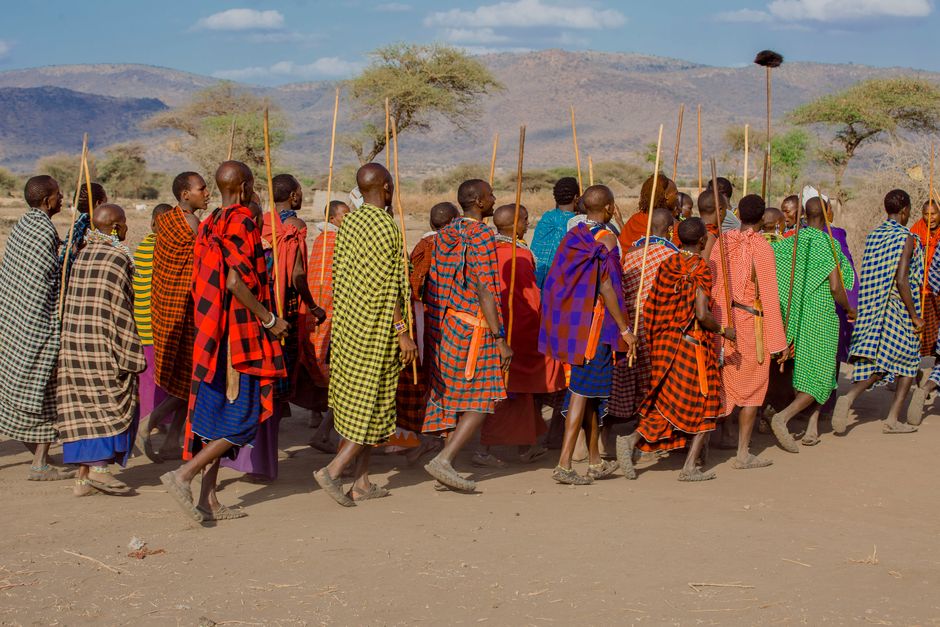
The Maasai tribe is perhaps the most renowned of Tanzania's ethnic groups. Known for their distinctive customs and vibrant dress, the Maasai people are pastoralists who have preserved their way of life amidst modern changes. Their nomadic lifestyle and deep connection with the land reflect their resilience and adaptability.
The Maasai culture is a testament to the enduring spirit of tradition in a rapidly changing world.
The Hadzabe: Last of the Hunter-Gatherers
The Hadzabe tribe offers a glimpse into one of the world's last hunter-gatherer societies. Living around Lake Eyasi, the Hadzabe maintain a lifestyle that has remained largely unchanged for thousands of years. Visiting them is like stepping back in time, where the art of survival is still practiced in its purest form.
The Swahili People: Coastal Influences
Tanzania's coast is home to the Swahili people, whose culture is a rich blend of African, Arab, and Persian influences, thanks to centuries of trade and interaction. The Swahili language, a lingua franca across East Africa, is a result of this cultural melting pot, offering a unique insight into the region's history.
Mystical Sites and Historical Landmarks
Stone Town: A UNESCO World Heritage Site
Located on the island of Zanzibar, Stone Town is a living museum of history. With its narrow alleys, bustling bazaars, and ornately carved doors, Stone Town tells stories of past sultans, explorers, and traders. It's a place where every corner holds a piece of history waiting to be discovered.
Olduvai Gorge: Cradle of Mankind
Often referred to as the 'Cradle of Mankind,' Olduvai Gorge is a significant paleoanthropological site. It offers insights into the early evolution of humans, with fossils and artifacts showcasing our ancestors' ingenuity and adaptability.
- Visit guided tours to understand the archaeological significance.
- Engage with interactive exhibits at the visitor center.
Kilimanjaro: More Than Just a Mountain
While Mount Kilimanjaro is famous for its challenging climbs and breathtaking views, it also holds cultural significance for the Chagga people. The mountain is a symbol of both spiritual and physical endurance, representing a sacred experience for those who ascend its peaks.
Festivals and Celebrations
Unveiling Swahili Culture in Mwaka Kogwa
Held annually in Zanzibar, Mwaka Kogwa is a vibrant festival celebrating the Shirazi New Year. It involves traditional rituals, colorful dances, and feasting, all underscoring the community's spirit and cultural identity.
Ngorongoro Conservation Area: A Celebration of Biodiversity
Beyond its wildlife, the Ngorongoro Conservation Area hosts cultural events that highlight the coexistence of humans and nature. The Maasai people often perform traditional songs and dances, celebrating their harmony with the land.
Culinary Delights: A Taste of Tanzania
Sampling Tanzanian Cuisine
Tanzanian cuisine is a delightful fusion of flavors and influences. From the spicy pilau rice to freshly caught seafood, every dish tells a story of cultural exchange and culinary tradition.
Don't miss sampling the local delicacy of "ugali," a staple dish that pairs perfectly with rich stews.
Markets and Street Food: An Epicurean Adventure
The bustling markets of Dar es Salaam and Arusha offer an epicurean adventure for food lovers. Street vendors serve up an array of snacks, from grilled maize to "samosas," providing a taste of the local life.
- Explore Kariakoo Market in Dar es Salaam for fresh produce and vibrant spices.
- Enjoy "chapati" and "mishkaki" from street vendors for a quick, delicious bite.
Conclusion
Tanzania's cultural landscape is as diverse and captivating as its natural beauty. From the colorful traditions of the Maasai to the historical allure of Stone Town, each experience offers a deeper understanding of East Africa's rich heritage. As you explore Tanzania, you'll find that its stories are not just about the past but also about the enduring spirit of its people, much like the vibrant cultures of Nigeria. So pack your bags, embrace the adventure, and let Tanzania's culture captivate your heart.