West Africa, a region renowned for its vibrant culture and rich history, offers a unique experience for travelers. For Nigerian readers looking to explore beyond their borders, West Africa presents a tapestry of traditions, music, art, and festivals that are both familiar and intriguing. Whether you're a culture enthusiast or someone simply curious about the world, discovering West Africa's cultural heritage could be one of the most enriching journeys you take.
Nigeria, known as the 'Giant of Africa', is a cultural powerhouse in its own right, but West Africa as a whole is a melting pot of influences that have shaped its identity over centuries. From the ancient empires of Mali and Songhai to modern-day cultural hubs like Accra and Dakar, there's so much to learn and appreciate.
Let's embark on a journey through this captivating region, exploring the key aspects that make West Africa a cultural treasure trove. Be it through music that moves your soul, or festivals that leave a lasting impression, West Africa is a region that promises to enrich every traveler who walks its lands.
The Heartbeat of West Africa: Music and Dance
The Rhythms of Tradition
Music and dance are integral to West African culture. The region is known for its diverse musical genres that have influenced global music. Genres like Afrobeat, Highlife, and Juju have roots deeply planted in West African soil.
In Nigeria, Afrobeat pioneers like Fela Kuti have left an indelible mark on music. His innovative blending of traditional African rhythms with jazz and funk created a genre that resonates worldwide. In Ghana, Highlife music, characterized by jazzy horns and guitar riffs, is a staple at celebrations and gatherings.
The beauty of West African music lies in its ability to bring people together, transcending language barriers and uniting communities through rhythm.
Dancing to the Beat
Dance is another vital component of West African culture, with each ethnic group having its unique styles and movements. From the energetic Azonto dance of Ghana to the traditional Bata dance of the Yoruba people, dance serves as both a form of expression and a way to preserve cultural heritage.
- Azonto: Originating from Ghana, this dance is characterized by its expressive freestyle movements.
- Bata: A traditional Yoruba dance that involves a syncopated rhythm performed in ceremonial settings.
- Kpanlogo: A dance from Ghana that combines drumming and storytelling.
Exploring West African Art and Crafts
Traditional and Contemporary Art
West African art is as diverse as the region itself, ranging from traditional crafts to contemporary pieces that push creative boundaries. Traditional art often involves intricate beadwork, wood carvings, and textile weaving, each telling stories of heritage and spirituality.
Contemporary West African artists are gaining recognition globally, with their works reflecting modern issues through a traditional lens. Galleries in cities like Lagos and Dakar are thriving, showcasing the creativity and innovation of African artists.
Markets and Artisan Crafts
Visiting local markets is an excellent way to experience West African art firsthand. Markets like Onitsha Market in Nigeria and Sandaga Market in Senegal offer a variety of crafts, including sculptures, paintings, and jewelry.
- Onitsha Market: Known for its vast selection of goods, from textiles to handcrafted souvenirs.
- Sandaga Market: A vibrant place to find traditional Senegalese crafts and artifacts.
Supporting local artisans not only preserves traditional crafts but also empowers communities through sustainable economic practices.
The Festivals of West Africa
A Celebration of Culture and Community
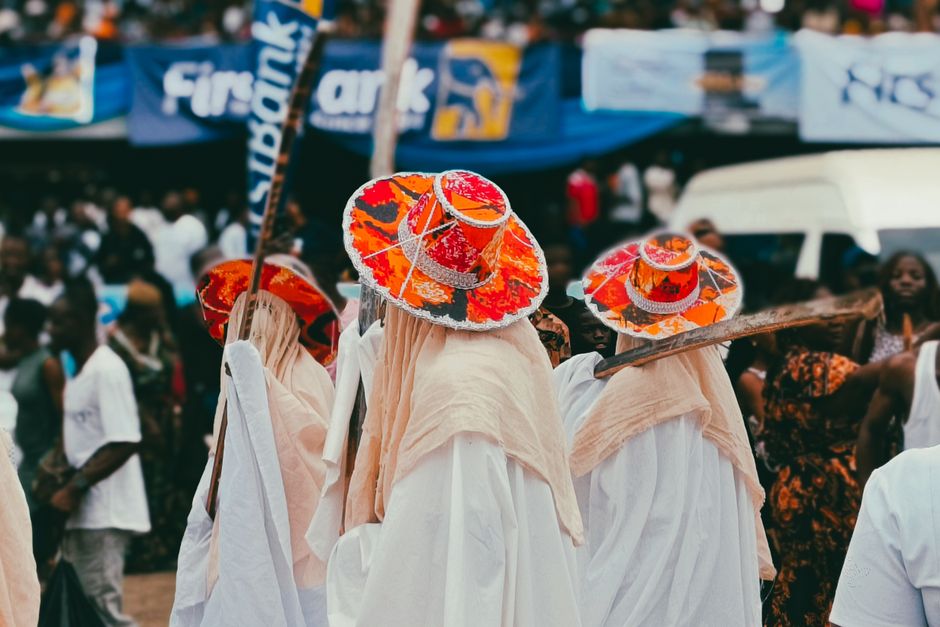
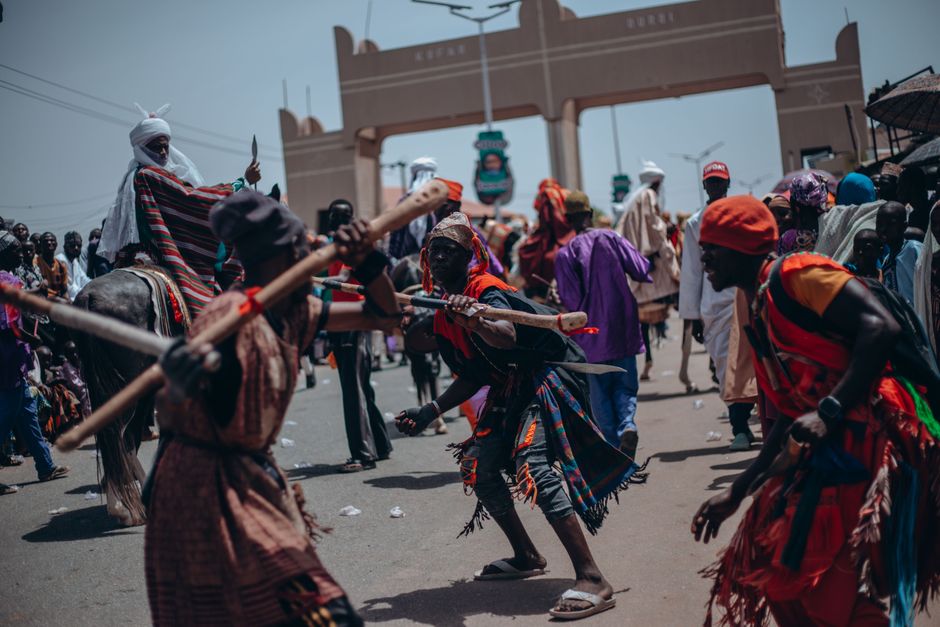
West Africa hosts a myriad of festivals that reflect the region's cultural diversity and community spirit. These celebrations often involve music, dance, and storytelling, providing insights into the traditions and values of local communities.
From the renowned Durbar Festival in Nigeria to the colorful Carnival of Cultures in Cape Verde, these events are a feast for the senses, offering a vibrant showcase of West African culture.
Popular Festivals to Experience
- Durbar Festival: A Nigerian festival celebrating horsemen and traditional leaders, showcasing colorful parades and cultural displays.
- Carnival of Cultures: Held in Cape Verde, this festival celebrates the diversity of African cultures through music and dance.
- FESPACO: The Pan-African Film and Television Festival of Ouagadougou, a biennial event showcasing African cinema.
The Influence of West African Languages
Language as a Cultural Pillar
Language plays a crucial role in shaping West African identity. With over 500 languages spoken in Nigeria alone, the region is a tapestry of linguistic diversity. Languages such as Yoruba, Hausa, and Igbo are not just means of communication but a vital part of cultural expression and preservation.
In other West African nations, languages like Wolof in Senegal and Ga in Ghana are integral to everyday life and cultural practices.
Learning a few phrases in a local language can greatly enhance your travel experience, offering deeper connections with local communities.
Preserving Linguistic Heritage
Efforts are being made across the region to preserve indigenous languages, recognizing their importance in maintaining cultural heritage. Educational programs and digital platforms are increasingly being used to teach and promote local languages to younger generations.
This commitment to linguistic diversity helps ensure that the rich cultural narratives embedded in these languages are not lost over time.
Conclusion
West Africa's cultural heritage is a vibrant mosaic of music, art, festivals, and languages, offering a glimpse into the soul of the region. For Nigerian travelers, exploring these cultural treasures can provide a deeper understanding of shared histories and a unique appreciation of the diverse elements that shape West African identity.
Whether you're dancing to the beats of Afrobeat in Lagos or marveling at the crafts in Dakar, the cultural experiences in West Africa are sure to leave a lasting impression. As you embark on your journey, embrace the opportunity to connect with the heart of this dynamic region, and let West Africa's cultural legacy inspire you.