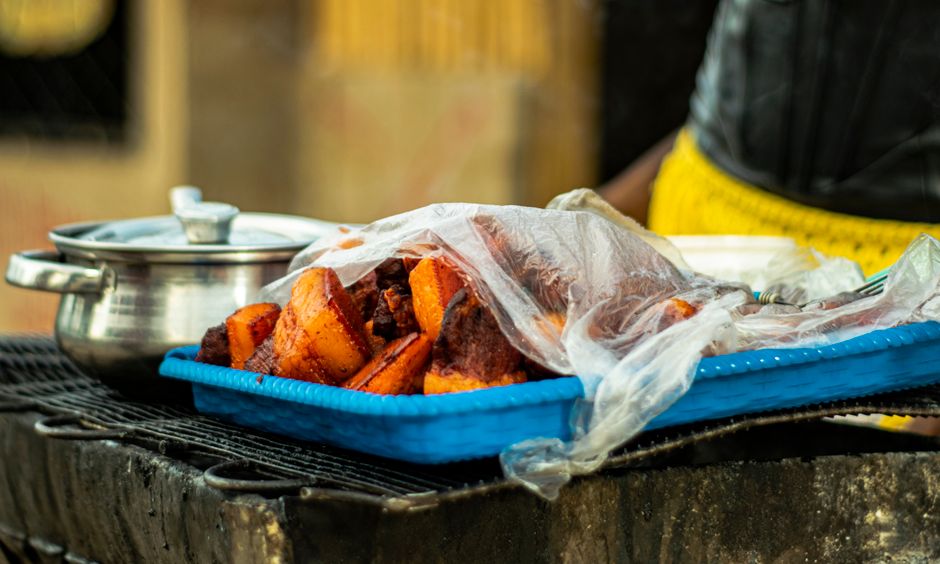
West Africa is an incredible tapestry of cultures, languages, and histories, each influencing the culinary landscape that stretches across this vibrant region. For any Nigerian traveler or food enthusiast, diving into the culinary delights of West Africa offers a taste of home with a sprinkle of new and exciting flavors. Whether you're strolling through the bustling markets of Lagos or savoring a home-cooked meal in Accra, the region offers a culinary adventure that is as diverse as it is delicious.
Nigerian cuisine itself is a microcosm of the West African food scene. From the fiery heat of Suya to the comforting embrace of Jollof rice, every dish tells a story of the land and its people. In this guide, we delve into the culinary delights awaiting you in West Africa, with a special focus on Nigerian flavors that resonate deeply and are cherished across the globe.
Understanding the Foundations of West African Cuisine
The Staples: Yams, Plantains, and Cassava
West African cuisine is deeply rooted in the staples that have sustained its people for centuries. Yams, plantains, and cassava are the holy trinity of ingredients that form the backbone of many dishes.
- Yams: Often boiled, pounded, or fried, yams are versatile and make hearty meals such as pounded yam, a popular accompaniment to various soups.
- Plantains: Ripe or unripe, plantains are fried, boiled, or roasted and serve as a delicious side dish or snack.
- Cassava: Used in making garri or fufu, cassava is another essential that adds bulk and flavor to meals.
These staples are not just filling; they are a canvas for the myriad of spices and seasonings that define West African cooking.
The Spice Palette: Heat and Flavor
Spices are the heartbeat of any West African dish. A blend of local ingredients comes together to create flavors that are bold, intense, and unforgettable.
- Chili Peppers: They bring the heat and are a must-have in many dishes, from stews to side sauces.
- Ginger and Garlic: These give depth and warmth to the flavor profiles, often paired together for maximum impact.
- Cumin and Coriander: Used to add earthy notes to soups and stews, these spices are staples in any West African kitchen.
"To understand a culture, you must first taste it. West African cuisine speaks in flavors that are both comforting and challenging to the palate."
Iconic Nigerian Dishes You Must Try
Jollof Rice: A Continental Favorite
No introduction to Nigerian cuisine would be complete without Jollof rice. This one-pot dish of rice, tomatoes, onions, and spices is a staple at every celebration.
The debate over which country makes the best Jollof is a light-hearted yet passionate topic among West Africans. However, the Nigerian version is distinct for its rich tomato flavor and aromatic spices.
Suya: The Street Food Marvel
Suya is a spicy meat skewer that is widely enjoyed as a street food snack. Made from beef or chicken, these skewers are marinated in a blend of peanuts, spices, and oil before being grilled over an open flame.
It's the perfect blend of smoky, spicy, and savory flavors that keeps everyone coming back for more.
Egusi Soup: A Nutty and Flavorful Delight
Egusi soup is a thick, hearty dish made from melon seeds, vegetables, and often a protein like beef or fish. It's typically served with pounded yam or fufu.
The unique flavor of Egusi soup, with its rich and slightly bitter notes, is a true reflection of the complex taste profiles found in Nigerian cuisine.
Exploring West African Markets: A Sensory Experience
Lagos Markets: The Heartbeat of Nigerian Trade
The markets of Lagos are a bustling hub of activity and commerce, offering a sensory overload that is both exhilarating and overwhelming. From the aroma of freshly ground spices to the vibrant colors of local produce, each market visit is an adventure in itself.
Notable markets like Balogun and Lekki Arts and Crafts Market are perfect places to indulge in local delicacies and shop for ingredients to recreate West African dishes at home.
Ghanaian Markets: A Blend of Old and New
Accra's markets offer a similar feast for the senses, with local vendors selling everything from fresh fish to traditional crafts. The Makola Market is a vibrant example, where you can find Ghanaian staples that are essential in West African cooking.
"Wandering through the markets of West Africa is like walking through a living cookbook, with each stall offering a new recipe waiting to be discovered."
The Influence of Globalization on West African Cuisine
Modern Takes on Traditional Dishes
West African cuisine has not remained static; it has evolved and embraced global influences while retaining its core identity. Chefs are experimenting with fusion dishes that combine traditional flavors with contemporary techniques.
For example, Jollof rice is being reimagined in gourmet restaurants with additions like seafood or exotic spices, offering a new twist on a beloved classic.
Exporting West African Flavors Worldwide
With the rise of West African restaurants in cities across the globe, Nigerian dishes are finding a place on the world stage. Restaurants in London and New York are serving up authentic Jollof rice, Egusi soup, and more, introducing international audiences to these rich flavors.
This global exploration not only brings new fans to West African cuisine but also inspires innovation back home, as chefs incorporate global trends into their menus.
Conclusion
West African cuisine, with its bold flavors and rich history, offers a culinary journey that is both familiar and exciting for any Nigerian traveler. Whether you're tasting the heat of Suya on a street corner in Lagos or savoring the rich flavors of Egusi soup at a family gathering, each dish is a gateway to understanding and appreciating the diverse cultures of West Africa.
As you explore these culinary traditions, remember that each flavor and aroma tells a story of the land and its people, inviting you to partake in its rich and vibrant heritage. So, grab a fork, dive in, and let your palate be your guide in this delicious adventure.