Nigeria, the giant of Africa, is a treasure trove of cultural diversity and heritage. From the bustling streets of Lagos to the serene landscapes of the Hausa-Fulani regions, this vibrant nation offers an array of experiences that promise to capture the hearts of travelers. One of the most enchanting ways to immerse yourself in Nigerian culture is through its festivals. These celebrations, which occur throughout the year, reflect the rich tapestry of Nigeria's over 250 ethnic groups. In this article, we'll delve into some of Nigeria's most iconic festivals, offering you a guide to experiencing these cultural spectacles firsthand.
So, why should Nigerian festivals be on your travel itinerary? Apart from the colorful parades, traditional music, and dance, these festivals provide a unique lens into the traditions and values that define Nigerian society. Whether you're a cultural enthusiast or simply looking to enrich your travel experience, Nigerian festivals are a must-see. Let's explore how these celebrations bring the country's diverse communities together, offering a glimpse into the soul of Nigeria.
The Durbar Festival
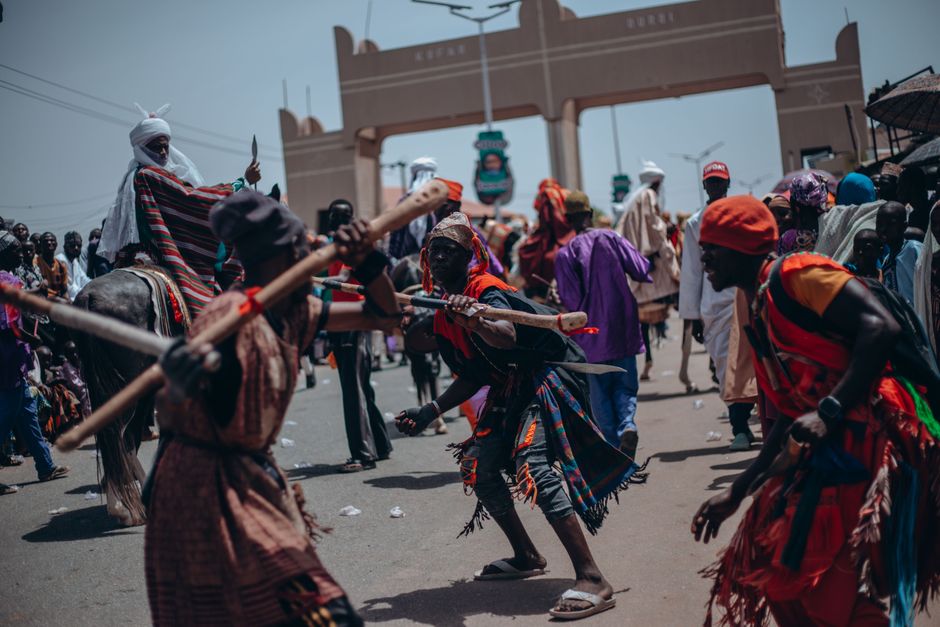
The Durbar Festival is a regal celebration that takes place in several northern Nigerian cities like Kano, Katsina, and Sokoto. It is held at the end of Ramadan and marks the end of the fasting period with grandeur and pageantry.
History and Significance
Originally a military parade to honor the Emir and showcase military prowess, the Durbar has evolved into a cultural festival celebrating the rich heritage of the Hausa-Fulani people. It is a display of horsemanship, traditional attire, and communal unity.
What to Expect
- Impressive Horse Parades: Watch as thousands of horsemen in elaborate regalia parade through the city, showcasing their skills and discipline.
- Colorful Attire: Experience the vibrant colors of traditional Hausa clothing, with each piece telling a story of cultural significance.
- Traditional Music and Dance: Feel the rhythm of the talking drums and enjoy performances that have been passed down through generations.
Attending the Durbar Festival is a magical experience that offers a deep dive into the history and culture of Northern Nigeria. It's a celebration of unity and tradition that you shouldn't miss.
The Eyo Festival
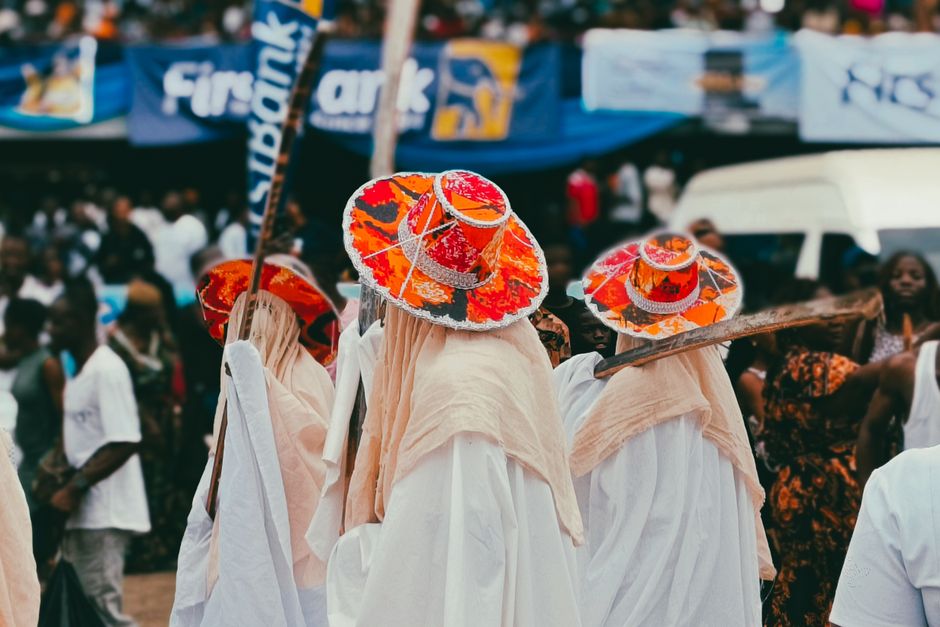
Lagoon City, Lagos, is home to the enchanting Eyo Festival, a cultural spectacle unique to the Yoruba people. It is often held to honor the passing of an Oba (king) or during other significant Lagos events.
Origins and Traditions
The Eyo Festival is steeped in mystery and tradition. It is said to have spiritual significance and is often linked to ancestral worship and the honoring of deities.
Highlights of the Festival
- The Eyo Masqueraders: Dressed in all-white robes with wide-brimmed hats, the Eyo masqueraders dance through the streets, creating a striking visual display.
- The Procession: The festival procession is a spectacle of colors, sounds, and movements, lasting from dawn till dusk.
- Cultural Significance: The Eyo Festival is more than just entertainment; it is a time for Lagosians to come together and celebrate their shared heritage.
Attending the Eyo Festival offers visitors a chance to witness a unique cultural event that illuminates the historical and spiritual life of the Yoruba people.
Osun-Osogbo Festival
Nestled in the sacred groves of Osogbo, the Osun-Osogbo Festival is a two-week-long celebration honoring the river goddess Osun. This festival is a UNESCO-protected cultural event that attracts visitors from around the world.
The Festival's Roots
Osun-Osogbo has its roots in the Yoruba religion, and it is believed to bring prosperity, fertility, and spiritual cleansing to the devotees who participate.
Why Attend?
- Rituals and Offerings: Witness sacred rituals and offerings to the goddess Osun, a highlight of the festival's activities.
- Traditional Dance and Music: Experience the captivating rhythms and dances that pay homage to Yoruba deities.
- Sense of Community: Engage with the local community, who pour their hearts into this annual spiritual celebration.
The Osun-Osogbo Festival is a spiritual journey that offers a deep connection to Yoruba culture and religion, making it a must-visit for those interested in African spirituality.
Argungu Fishing Festival
The Argungu Fishing Festival, held in Kebbi State, is one of the largest fishing festivals in the world. It is a competition where thousands of fishermen gather to catch the biggest fish using only traditional tools.
Historical Background
The festival began as a peace-building event to foster friendship between the Sokoto Caliphate and the Kebbi Kingdom. Today, it serves as a cultural and unifying event.
Festival Highlights
- Fishing Competition: Join in the excitement as fishermen compete to catch the largest fish, with the winner receiving prestigious awards.
- Cultural Displays: Enjoy vibrant performances of music, dance, and traditional wrestling, showcasing the rich culture of the region.
- Community Spirit: The festival is a true celebration of community spirit, where people from all walks of life come together in joy and camaraderie.
The Argungu Fishing Festival is a captivating blend of tradition, competition, and celebration, offering visitors a unique insight into local traditions and lifestyles.
Calabar Carnival
Dubbed 'Africa's Biggest Street Party,' the Calabar Carnival in Cross River State is a month-long celebration filled with music, dance, and colorful parades.
The Evolution of the Carnival
Started in 2004, the Calabar Carnival has grown to become a major cultural event that attracts international performers and visitors.
What Makes It Special?
- Grand Parades: Enjoy parades that feature elaborate costumes, floats, and performances that tell stories of African culture and history.
- Concerts and Parties: Dance the night away at concerts featuring local and international music stars, and soak in the festive atmosphere.
- Cultural Heritage: The carnival is a melting pot of cultures, highlighting Nigeria's diversity through the arts.
Participating in the Calabar Carnival is an unforgettable adventure that offers a taste of the vibrancy and energy that define Nigerian festivals.
Conclusion
Nigeria's cultural festivals are a testament to the nation's rich heritage and diversity. Each festival offers a unique perspective on the customs, beliefs, and values of its people. Whether you're captivated by the regal Durbar, intrigued by the spiritual Osun-Osogbo Festival, or energized by the Calabar Carnival, these events provide an immersive cultural experience that is both educational and exhilarating.
As you plan your travels, consider timing your visit to coincide with one of these festivals. It's an opportunity to see Nigeria's culture in its most vibrant form, creating memories that will last a lifetime. So, pack your bags and get ready to dance, learn, and celebrate with the heart and soul of Nigeria.