Nigeria, a country pulsating with life and diversity, stands as a beacon of cultural richness in West Africa. Among its many treasures are the vibrant and colorful festivals that bring its traditions to life. From the exhilarating rhythms of the drums to the resplendent costumes that paint the streets, these festivals offer a glimpse into the heart of Nigerian culture. Whether you're a local or a visitor, experiencing these celebrations is a journey into the soul of Nigeria's heritage.
For Nigerian readers, these festivals are more than just events; they are a celebration of identity, history, and community. In this article, we'll traverse some of Nigeria's most iconic festivals, exploring their origins, significance, and the unique experiences they offer. Buckle up and prepare to be enchanted by the rhythmic beats and vibrant colors of Nigeria's cultural tapestry.
The Importance of Festivals in Nigerian Culture
Festivals in Nigeria are not merely about entertainment; they are integral to the social, cultural, and religious fabric of the nation. They serve as a way to preserve traditions and bring communities together, offering a platform to pass down stories and customs from generation to generation.
Preserving Tradition and Heritage
Many Nigerian festivals have been celebrated for centuries, with each generation adding its own flair while maintaining core traditions. For example, the Osun-Osogbo Festival, a UNESCO-recognized event, celebrates the Yoruba goddess of fertility, reflecting a deep respect for nature and heritage.
Uniting Communities
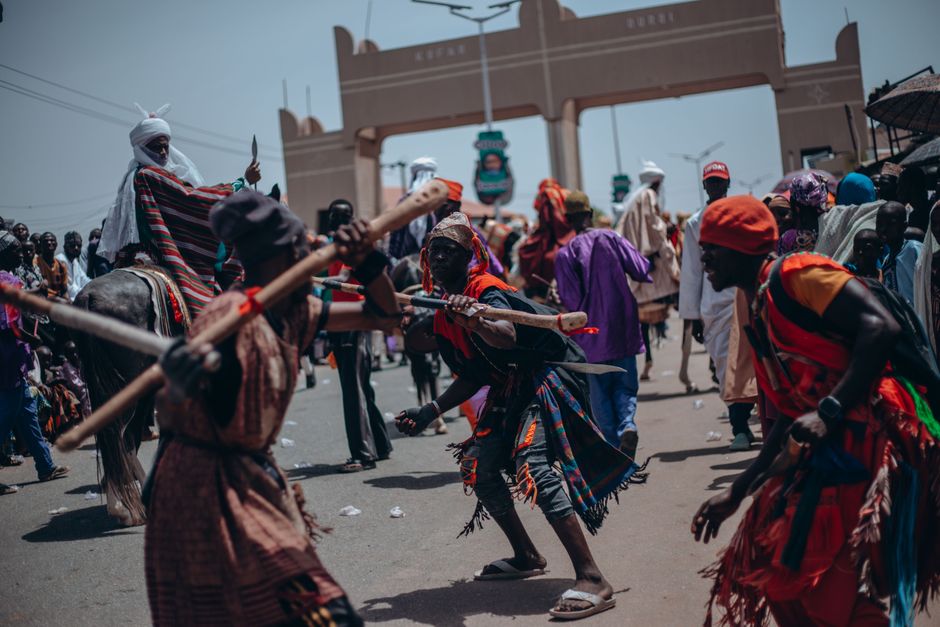
These festivals often involve entire communities, fostering a sense of belonging and unity. The Durbar Festival in the northern regions is a perfect example, where horsemen in traditional costumes perform elaborate parades, emphasizing respect, honor, and community celebration.
Top Nigerian Festivals to Experience
Osun-Osogbo Festival
Held in the sacred groves of Osogbo, this festival is a profound spiritual and cultural event. It attracts thousands of visitors each year, keen to witness the elaborate rituals and the procession to the Osun River.
- The festival spans over two weeks, culminating in a grand finale at the Osun Sacred Forest.
- Tradition dictates that the Arugba, a virgin girl, carries the sacrificial materials to the river, symbolizing purity and hope.
Argungu Fishing Festival
This unique festival is a celebration of fishing skills and aquatic life in the town of Argungu. It is one of the most recognized events in Nigeria and draws participants and spectators from all over the world.
"The Argungu Fishing Festival is not just about catching the biggest fish; it's a testament to the harmony between man and nature."
- Participants are only allowed to use traditional nets and tools, emphasizing skill and tradition.
- The festival includes cultural displays, music, and dance, making it a comprehensive cultural experience.
The Role of Music and Dance in Nigerian Festivals
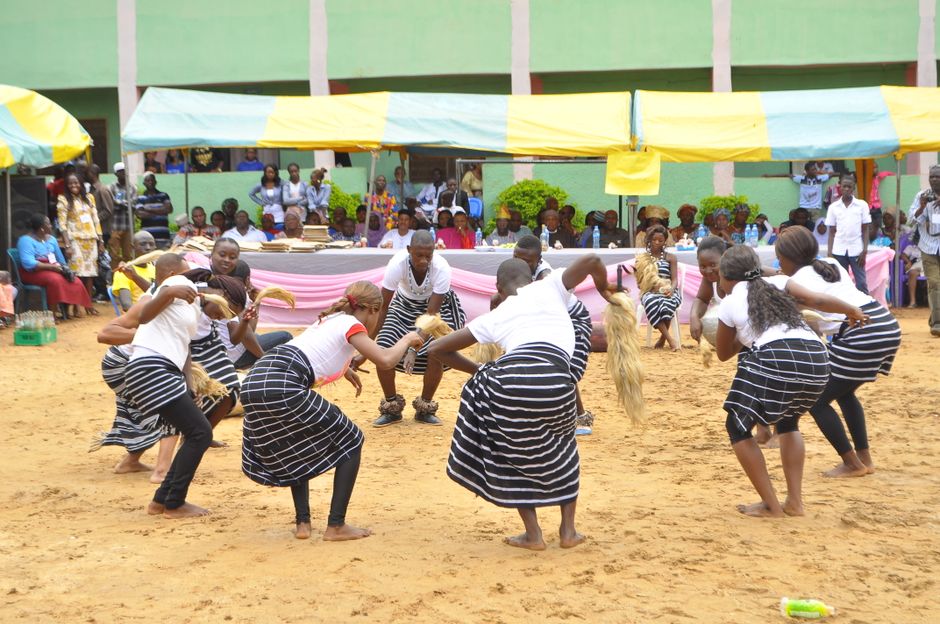
Music and dance are at the heart of Nigerian festivals, offering a dynamic and immersive experience. These elements are not just for entertainment; they are a form of storytelling and expression.
The Rhythmic Beats of Drums
Drums play a crucial role, with each beat telling a story. During the New Yam Festival, the drumming signals different activities, and the rhythm changes to reflect the mood of the proceedings.
Dance as a Form of Expression
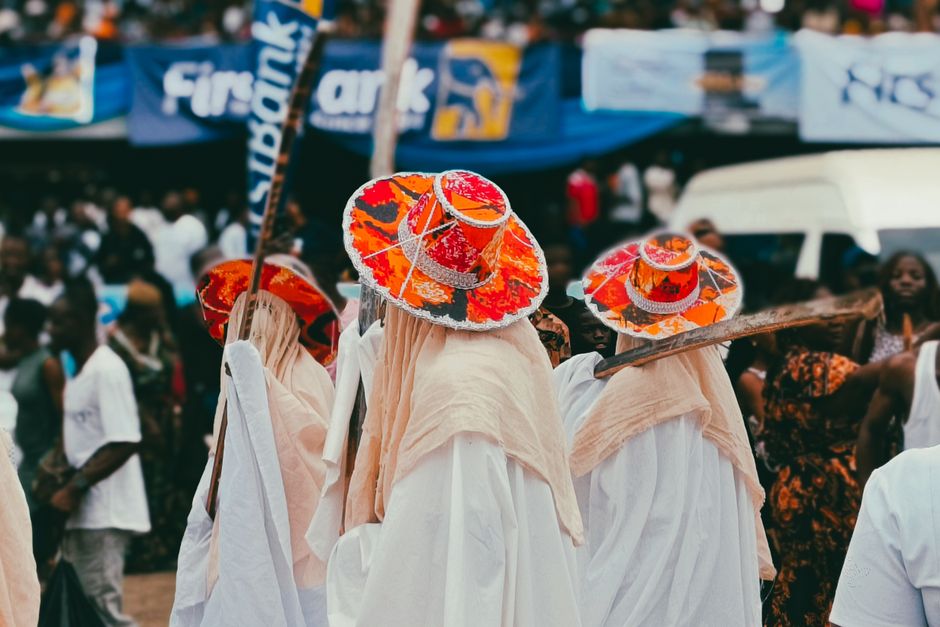
Dance is a vital component of Nigerian festivals, often used to communicate stories and emotions. The Egungun Festival features masked dancers who embody ancestral spirits, a spectacle that is both mesmerizing and spiritually significant.
Experiencing Nigerian Festivals as a Visitor
For those visiting Nigeria, attending a local festival can be a transformative experience. It offers a deeper understanding of Nigerian culture and provides an opportunity to engage with locals in a meaningful way.
Participating Respectfully
Visitors should approach these festivals with respect and an open mind. Understanding the cultural significance and following local customs ensures a positive experience for both visitors and hosts.
Top Tips for Visitors
- Research the festival beforehand to understand its significance and what to expect.
- Dress appropriately, respecting local dress codes and customs.
- Engage with locals to gain insights and enhance your experience.
Final Thoughts
Nigerian festivals are a window into the vibrant, diverse, and deeply rooted culture of the nation. They celebrate not only the past but the present and future of Nigerian society. Whether you're attending as a local or a visitor, these festivals offer an opportunity to connect with the heart of Nigeria, immerse yourself in its stories, and become a part of its rich cultural tapestry.
So, next time you're in Nigeria, step out and experience a festival. Let the music, dance, and community spirit sweep you into a world of tradition, unity, and celebration.