Nigeria, often referred to as the 'Giant of Africa', is a melting pot of cultures, traditions, and languages. With over 250 ethnic groups, the country offers a rich tapestry of cultural experiences that captivate both locals and visitors alike. Whether you're exploring bustling Lagos or the serene landscapes of the north, understanding Nigeria's culture can deepen your appreciation for this vibrant nation.
In this article, we’ll take you on a journey through the heart of Nigerian culture, covering everything from traditional music and dance to the colorful festivals that light up the country throughout the year. Let's dive into the fascinating world of Nigeria and discover what makes its culture so unique and engaging.
The Diversity of Nigerian Languages
Language is a key element of Nigeria's cultural identity. With over 500 languages spoken across the country, Nigeria is one of the most linguistically diverse nations in the world. The three major languages are Hausa, Yoruba, and Igbo, each representing a significant cultural region.
Hausa: The Language of the North
The Hausa language dominates northern Nigeria and is often used as a lingua franca in the region. It is not only spoken in Nigeria but also across West African countries, making it an important tool for communication and trade.
"Hausa is more than a language; it's a cultural bridge that connects communities across West Africa."
Yoruba: The Language of Culture and Spirituality
Yoruba is primarily spoken in the southwestern part of Nigeria. Known for its rich oral traditions and spirituality, Yoruba culture is deeply embedded in the arts, from music and dance to storytelling and festivals.
Igbo: A Language of Trade and Innovation
The Igbo language, spoken in southeastern Nigeria, is known for its rich entrepreneurial spirit. Igbo people are renowned for their business acumen, and their language reflects their innovative and adaptive culture.
- Over 500 languages make Nigeria a linguistic powerhouse.
- Hausa, Yoruba, and Igbo are the three major languages.
- Each language represents distinct cultural regions and practices.
Nigerian Music and Dance
Music and dance are integral to Nigerian culture, serving as a form of expression and a way to bring people together. From Afrobeat to traditional drumming, Nigeria's music scene is as diverse as its languages.
Afrobeat: The Global Phenomenon
Fela Kuti, a legendary Nigerian musician, was instrumental in creating Afrobeat, a genre that blends traditional African rhythms with jazz, funk, and highlife. Today, Afrobeat is a global sensation, influencing artists worldwide.
"Afrobeat is the heartbeat of Nigeria, pulsating with rhythm and revolution."
Traditional Drumming and Dance
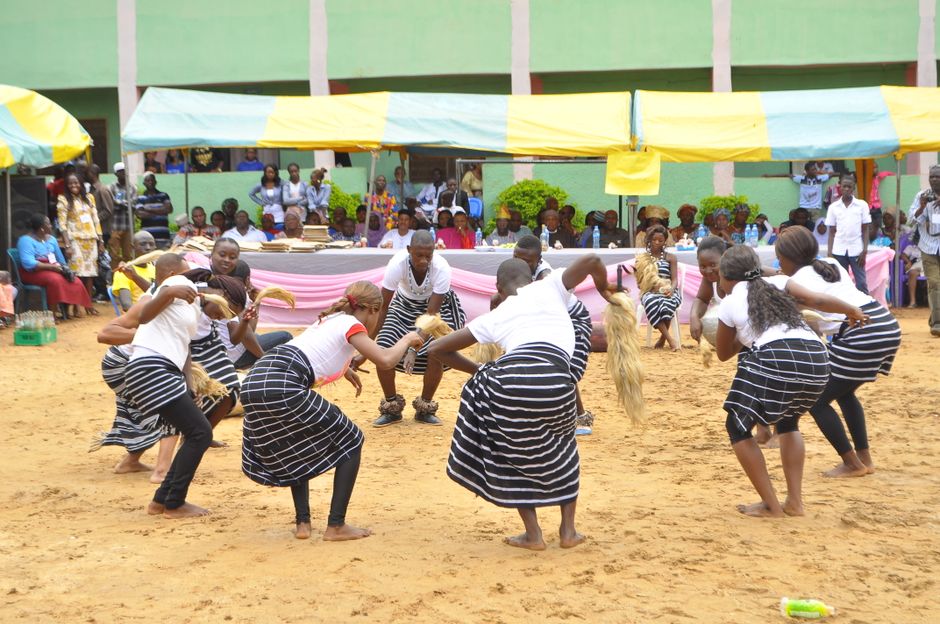
Traditional drumming and dance are central to many Nigerian cultural events. Whether it’s the energetic Bata dance of the Yoruba or the intricate Igbo masquerade performances, these art forms are a testament to Nigeria's cultural depth.
- Afrobeat combines African rhythms with global influences.
- Traditional dance reflects Nigeria's diverse ethnic heritage.
- Music and dance are key to Nigerian celebrations and ceremonies.
Festivals: Celebrating Culture and Identity
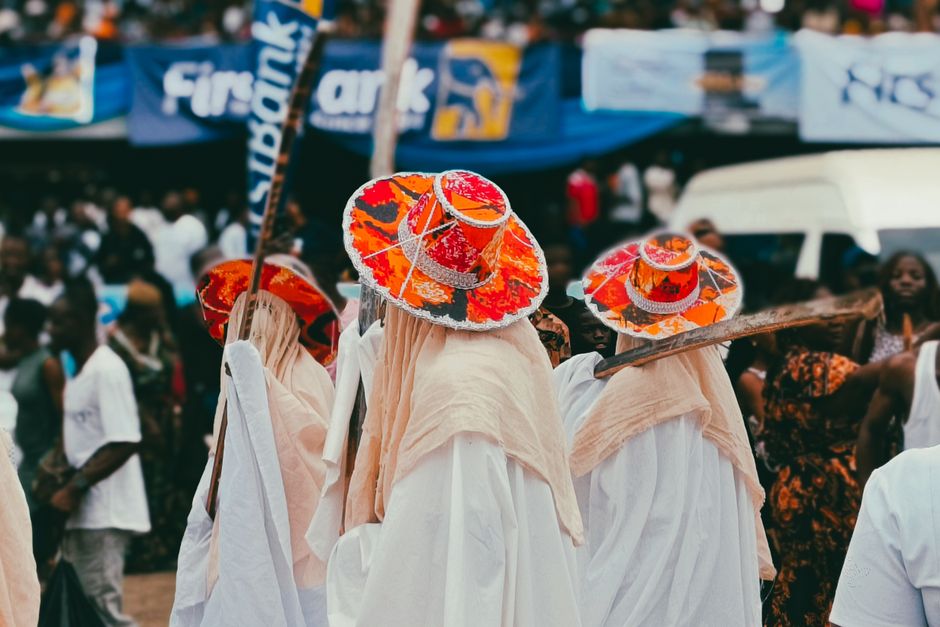
Nigeria's festivals are a vibrant celebration of its culture, often characterized by colorful costumes, traditional music, and communal feasting. These events offer a glimpse into the traditions and values of different ethnic groups.
Durbar Festival: A Regal Affair
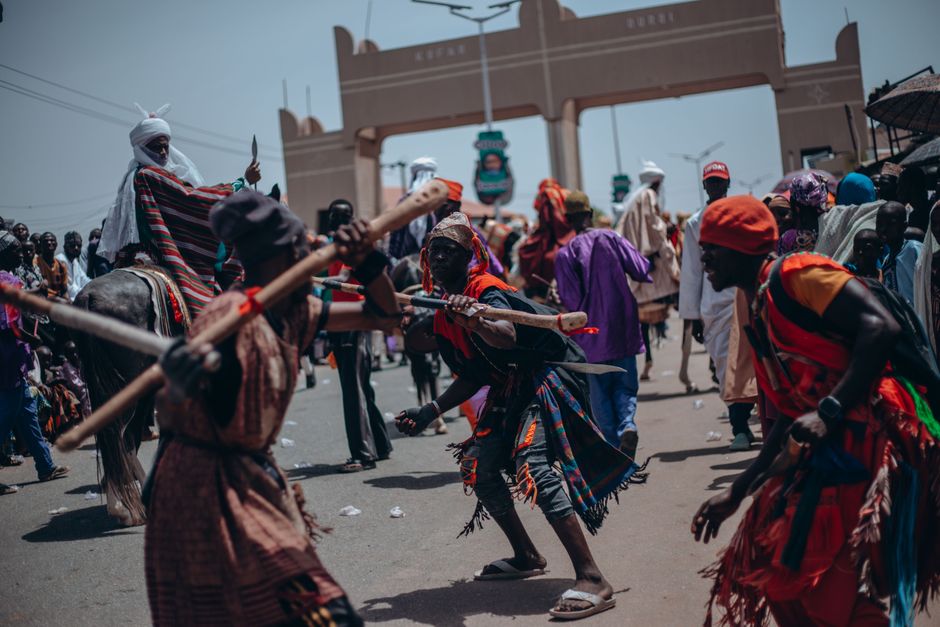
The Durbar Festival is a grand display of equestrian skills and traditional attire. Held in northern Nigeria, it celebrates the end of Ramadan and showcases the region's rich cultural heritage.
New Yam Festival: A Harvest Celebration
Among the Igbo people, the New Yam Festival marks the start of the harvest season. It is a time for thanksgiving, community gathering, and cultural performances.
- Festivals like Durbar and New Yam offer cultural insights.
- They serve as a reminder of Nigeria's communal values.
- Festivals are an opportunity to experience traditional practices.
The Culinary Delights of Nigeria
Nigerian cuisine is as diverse as its culture, offering a range of flavors and dishes that reflect the country's vast ethnic diversity. From spicy soups to savory snacks, Nigerian food is a feast for the senses.
Jollof Rice: A West African Staple
Jollof rice is perhaps Nigeria's most famous dish, known for its rich flavor and vibrant color. It's a staple at celebrations and gatherings, bringing people together over a shared love of food.
Suya: A Spicy Street Food Delight
Suya is a popular street food made from skewered meat, marinated in a spicy peanut sauce and grilled to perfection. It’s a favorite snack across Nigeria, enjoyed by people from all walks of life.
- Nigerian cuisine reflects the country's ethnic diversity.
- Jollof rice is a beloved dish across West Africa.
- Suya is a must-try street food for visitors.
Final Thoughts
Exploring Nigerian culture is like embarking on an adventure through time and tradition. Each language, dance, festival, and dish tells a story of resilience, creativity, and community. Whether you are a local or a visitor, immersing yourself in the rich tapestry of Nigerian culture offers a deeper understanding of what makes this nation so unique and captivating.
As you plan your next trip to Nigeria, remember to engage with the culture, savor the flavors, and join in the celebrations. There's no better way to experience the heart and soul of Nigeria than by embracing its diverse and vibrant culture.