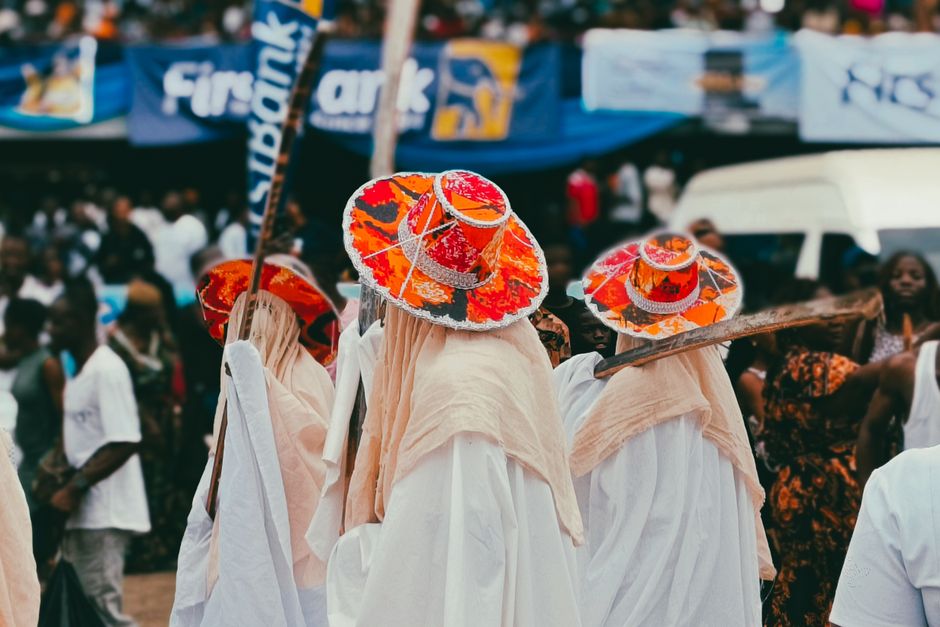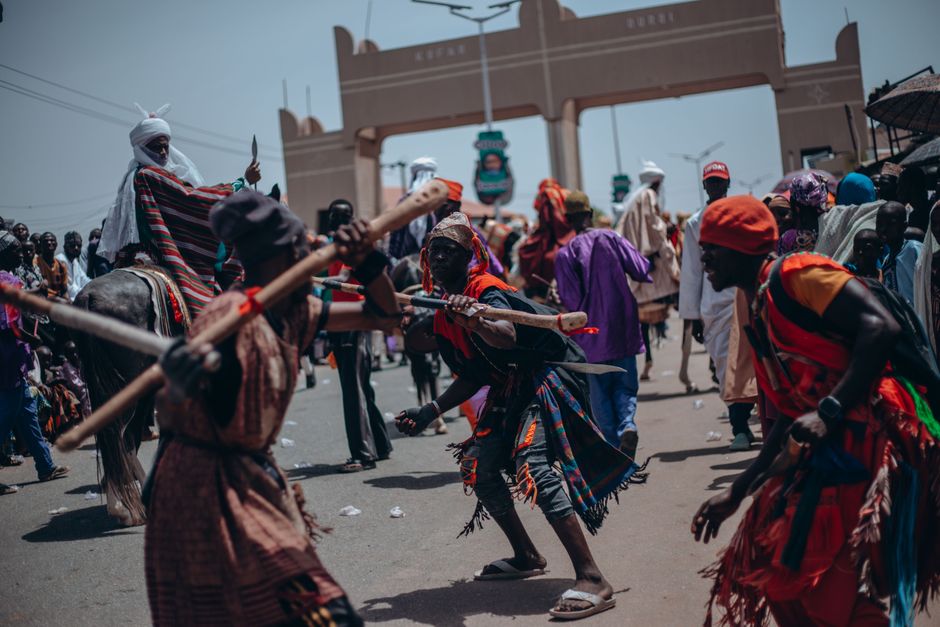
East Africa is a captivating region, rich in cultural diversity and vibrant traditions that seamlessly weave together the past and present. Whether you're strolling through the bustling markets or witnessing a traditional dance performance, the cultural tapestry of East Africa offers an unforgettable experience for any traveler. For Nigerian readers, the region's shared historical roots and cultural exchanges make this journey even more relatable and enriching.
From the Maasai's colorful attire to the Swahili coastal culture, East Africa promises a unique adventure that speaks to the heart of Africa's heritage. This guide will delve into the fascinating elements that define the culture of East Africa, offering insights and tips for an immersive travel experience.
The Maasai Culture
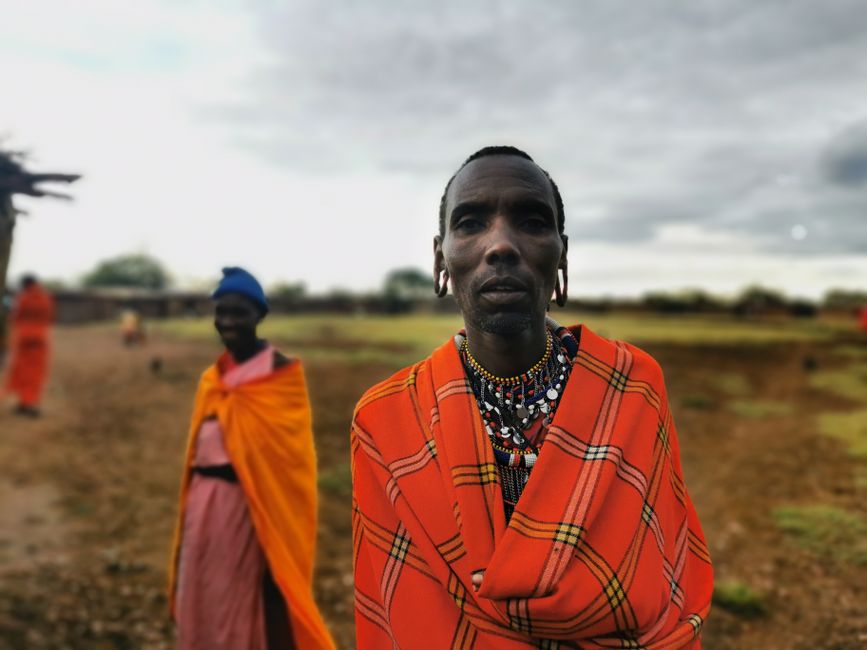
The Maasai people, known for their bold red shukas and intricate beadwork, are one of the most iconic tribes in East Africa. Predominantly found in Kenya and northern Tanzania, the Maasai have preserved their semi-nomadic lifestyle, rich with traditions and customs.
Traditional Attire
The Maasai's traditional attire is a vibrant display of identity and heritage. Their red shukas, or robes, are not just a fashion statement but also serve a practical purpose in protecting against the harsh sun and wild animal attacks.
The red color symbolizes bravery and strength, key virtues in Maasai culture.
Visitors are often welcomed to participate in cultural exchanges, where they can learn more about the significance of Maasai beadwork and perhaps acquire a piece as a memento.
Rituals and Ceremonies
The Maasai community is steeped in rituals that mark various life stages, from birth to marriage and beyond. The coming-of-age ceremony, known as 'Emorata', is particularly significant, marking the transition of young boys into warriors.
Being part of such ceremonies, even as an observer, offers a profound insight into the Maasai way of life and their unwavering commitment to tradition.
Swahili Coastal Culture
Along the East African coast, the Swahili culture thrives, characterized by a blend of African, Arab, and Indian influences. This cultural amalgamation is most evident in the architecture, cuisine, and language of the coastal regions.
Architectural Wonders
The Swahili coast is dotted with architectural marvels, from the historic town of Lamu to the ancient city of Zanzibar. These sites offer a glimpse into the rich history and the confluence of cultures that the Swahili coast represents.
- Visit the Lamu Old Town, a UNESCO World Heritage Site, where the narrow streets and intricately carved doors tell stories of a bygone era.
- Explore the Stone Town of Zanzibar, known for its coral stone buildings and Swahili houses adorned with beautiful wooden carvings.
Culinary Delights
Swahili cuisine is a feast for the senses, with a rich array of spices and flavors. From biryanis to coconut-based curries, the food reflects the diverse cultural influences that have shaped the Swahili coast.
Don't miss out on trying 'Pweza wa Nazi', a delicious octopus dish cooked in coconut milk.
Engage with local chefs and attend cooking classes to learn the secrets of Swahili cooking, a perfect way to bring a piece of East Africa back home.
The Vibrant Music and Dance
Music and dance are integral to East African culture, with rhythms and melodies that resonate with the soul. Each region has its unique style, yet all share a common thread of storytelling and community bonding.
Traditional Instruments
From the rhythmic beats of the djembe drum to the melodic tunes of the 'nyatiti' (an eight-stringed lyre), East African music is a celebration of life and history.
Visitors are encouraged to participate in local dance festivals, where they can experience the vibrant energy and connect with the community through the universal language of music.
Contemporary Music Scene
East Africa's contemporary music scene, represented by genres like Bongo Flava and Afrobeat, is gaining international recognition, with artists like Diamond Platnumz and Sauti Sol leading the charge.
Nigerian readers will appreciate the fusion of sounds and the collaboration between East African and Nigerian artists, showcasing the interconnectedness of African music.
Conclusion
East Africa's cultural heritage is a treasure trove of traditions, art, and history that beckons travelers to explore and understand the depth of its diversity. For Nigerian readers, the journey through East Africa offers more than just sights and sounds; it's an opportunity to connect with a part of Africa that mirrors the continent's rich cultural mosaic.
Whether you're drawn to the colorful Maasai traditions, the aromatic spices of Swahili cuisine, or the infectious beats of East African music, this region promises an adventure that will leave an indelible mark on your heart.