Nigeria is a country teeming with diverse cultures and traditions, each unique and captivating in its own right. Among them, the Yoruba culture stands out with its rich history, celebrated art, and vibrant traditions. As one of Africa's most populous and well-known ethnic groups, the Yoruba have played a crucial role in shaping Nigeria's cultural landscape. Whether you're a history buff, culture enthusiast, or simply curious about the world, exploring Yoruba culture offers intriguing insights into the heart of West Africa.
For Nigerian readers, especially those from the bustling streets of Lagos or the historic city of Ibadan, the Yoruba culture is not just a subject of curiosity but also a part of daily life. This article delves into the traditions, art, and community life of the Yoruba people, providing a comprehensive guide to understanding this fascinating culture.
Join us as we embark on a journey to uncover the stories, festivals, and art forms that define the Yoruba people, helping you appreciate the depth and beauty of this vibrant culture.
The Origins and History of the Yoruba People
Tracing the Roots
The Yoruba people have a storied history that dates back centuries. Originating in present-day Nigeria and parts of Benin and Togo, the Yoruba were part of the ancient Ife and Oyo empires, which were powerful and influential in West Africa. The city of Ile-Ife is often regarded as the spiritual home of the Yoruba, believed to be the place where the world was created according to Yoruba mythology.
Archaeological findings in Ife reveal a sophisticated society that excelled in art and sculpture, with evidence of bronze and terracotta works dating back to the 12th century. These artworks highlight the advanced craftsmanship and artistic expression that have become synonymous with Yoruba culture.
The Impact of Colonialism
Like many African societies, the Yoruba experienced significant changes during the colonial era. British colonization in the late 19th century disrupted traditional structures, leading to a fusion of Western and indigenous elements in Yoruba culture. Despite these changes, the Yoruba managed to preserve their identity through resistance and adaptation, ensuring the survival of their customs and traditions.
The Yoruba's resilience during colonization is a testament to their strong cultural identity and adaptability, ensuring their traditions thrived even under foreign rule.
Religious Beliefs and Practices
The Yoruba Pantheon
Religion plays a pivotal role in Yoruba culture, with a rich pantheon of deities known as Orishas. Each Orisha represents different aspects of life and nature, such as Ogun, the god of iron and war; Osun, the goddess of love and fertility; and Sango, the god of thunder. These deities are celebrated through elaborate rituals, prayers, and festivals.
The Yoruba also practice Ifa, a divination system that guides decisions and provides insights into personal and communal life. Ifa priests, known as Babalawos, play a crucial role in maintaining spiritual balance and harmony within the community.
Christianity and Islam in Yoruba Land
While traditional beliefs remain strong, Christianity and Islam have also found a substantial following among the Yoruba. This blend of religious practices has created a unique spiritual tapestry, where traditional and modern religions coexist, often complementing each other.
- Christianity brought by missionaries in the 19th century is widely practiced today, with churches playing a significant role in educational and social development.
- Islam, which arrived through trade routes in the 14th century, is also deeply rooted, with many Yoruba Muslims actively participating in cultural and religious activities.
Yoruba Art and Cultural Expressions
Intricate Sculptures and Masks
Yoruba art is renowned for its complexity and beauty. From the terracotta heads of Ife to the intricate bronze sculptures of Oyo, Yoruba art reflects a deep understanding of human anatomy and expression. Masks, often used in religious and social ceremonies, are crafted with precision and carry symbolic meanings related to myths and legends.
These artworks are not just aesthetic objects but are imbued with spiritual significance, serving as a bridge between the physical and spiritual worlds.
Textile and Fashion
The Yoruba people are also known for their vibrant textiles, such as Aso-Oke, a handwoven cloth often used in traditional attire. Aso-Oke is celebrated for its colorful patterns and is commonly worn during significant events like weddings and festivals.
Wearing Aso-Oke is a matter of pride and cultural identity for the Yoruba, symbolizing prestige and tradition.
Yoruba Festivals and Celebrations
The Festive Calendar
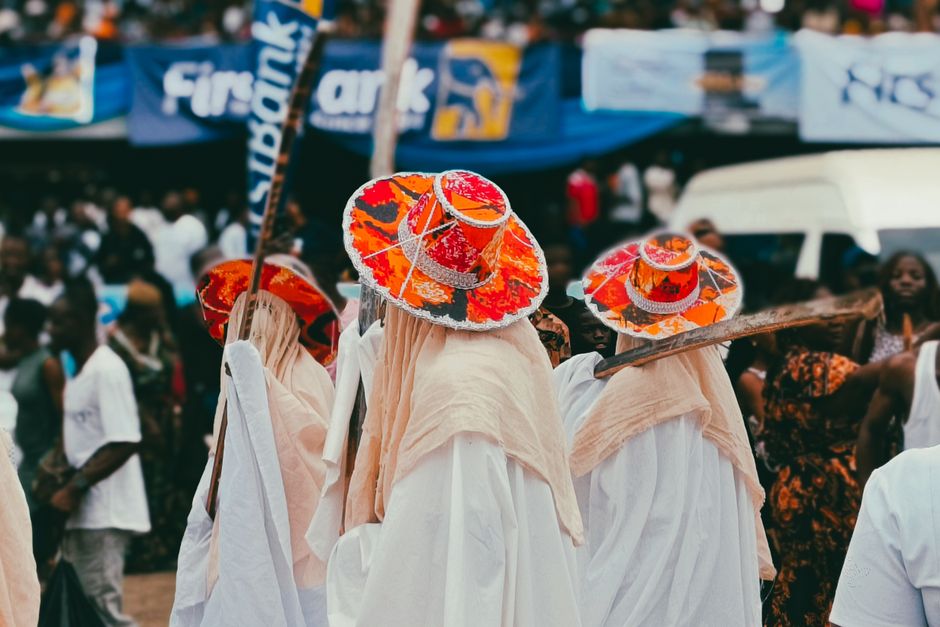
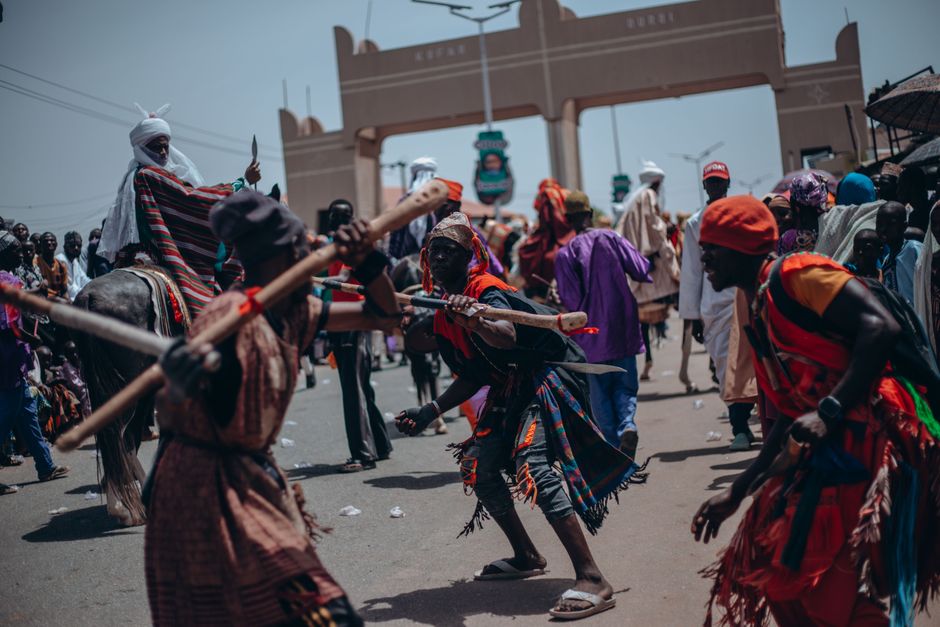
Yoruba festivals are a vibrant display of culture, music, dance, and community spirit. From the Eyo Festival in Lagos to the Osun-Osogbo Festival in Osogbo, these events attract thousands of participants from across the globe.
- Eyo Festival: Known for its colorful masquerades and vibrant parades, the Eyo Festival is a significant cultural event in Lagos, celebrating the spirit of the city and its people.
- Osun-Osogbo Festival: This two-week festival celebrates the goddess Osun, attracting pilgrims seeking blessings and celebrating the cultural heritage of the Yoruba.
The Role of Music and Dance
Music and dance are integral to Yoruba celebrations, with traditional instruments like the talking drum and bata drum setting the rhythm for dancers. These performances are more than entertainment; they are expressions of identity and community values.
Yoruba music, with its fusion of traditional and contemporary sounds, has influenced genres like Afrobeat, popularized by musicians such as Fela Kuti, resonating with audiences worldwide.
Conclusion
The Yoruba culture, with its rich history, religious diversity, artistic expressions, and vibrant festivals, is a testament to the resilience and creativity of its people. For Nigerians and global citizens alike, understanding and appreciating Yoruba culture offers a deeper connection to Africa's rich heritage and the stories that have shaped its people.
Whether you're visiting Nigeria or exploring Yoruba culture from afar, immerse yourself in the colors, sounds, and traditions of the Yoruba, and discover the enduring spirit of this remarkable culture.