Nigeria, often hailed as the 'Giant of Africa', is not just a beacon of economic power but also a vibrant tapestry of culture and traditions. Its diverse population, comprising over 250 ethnic groups, offers a kaleidoscope of cultural experiences that captivate and educate visitors. From the energetic beats of the talking drum to the colorful attires of the Yoruba, each element of Nigerian culture is a story waiting to be told.
For Nigerian readers and travelers alike, navigating the rich cultural landscape of Nigeria is akin to rediscovering your own heritage. It's a journey filled with pride, understanding, and a deeper connection to the roots that define us. Whether you're planning to travel across the country or explore these cultures from the comfort of your home, there's always something new to learn and appreciate.
The Melodies of Nigeria: Music and Dance
Traditional Nigerian Music
Nigerian music is as diverse as its people. From the rhythmic beats of Afrobeat pioneered by Fela Kuti to the soulful tunes of highlife music, the country is a powerhouse of sound. Each ethnic group brings its own unique instruments and melodies, creating a rich soundscape that tells stories of love, history, and hope.
- Afrobeat: A fusion of traditional Yoruba music, jazz, and funk rhythms.
- Highlife: Originating from Ghana, it found a significant following in Nigeria, blending traditional African music with Western jazz.
The Art of Dance
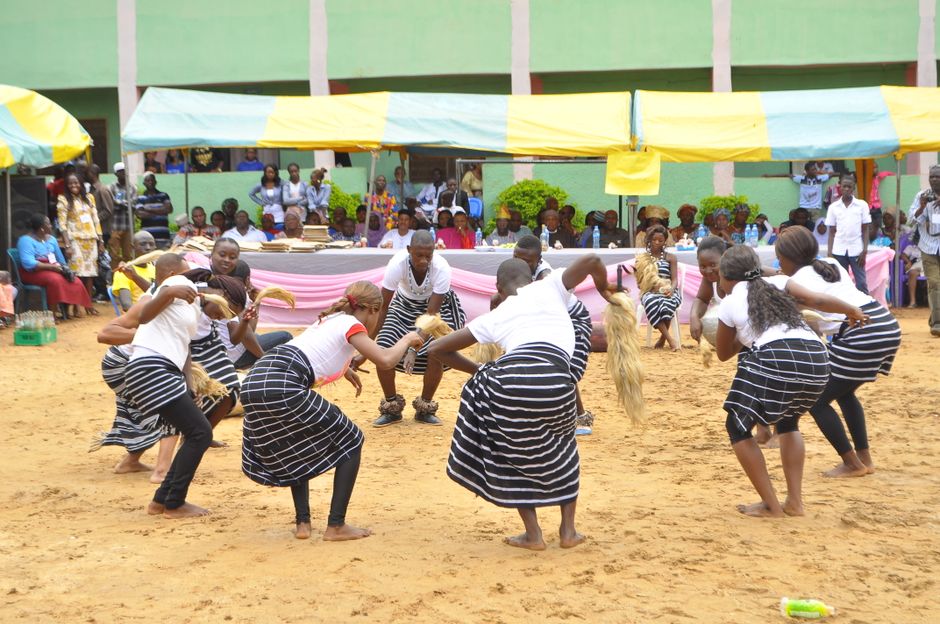
Dancing is integral to Nigerian culture, often used to express joy, celebrate traditions, and mark important life events. Each region boasts its own dance styles, each with distinct movements and costumes.
"Dance is the hidden language of the soul" – Martha Graham
Festivals and Celebrations
Eyo Festival
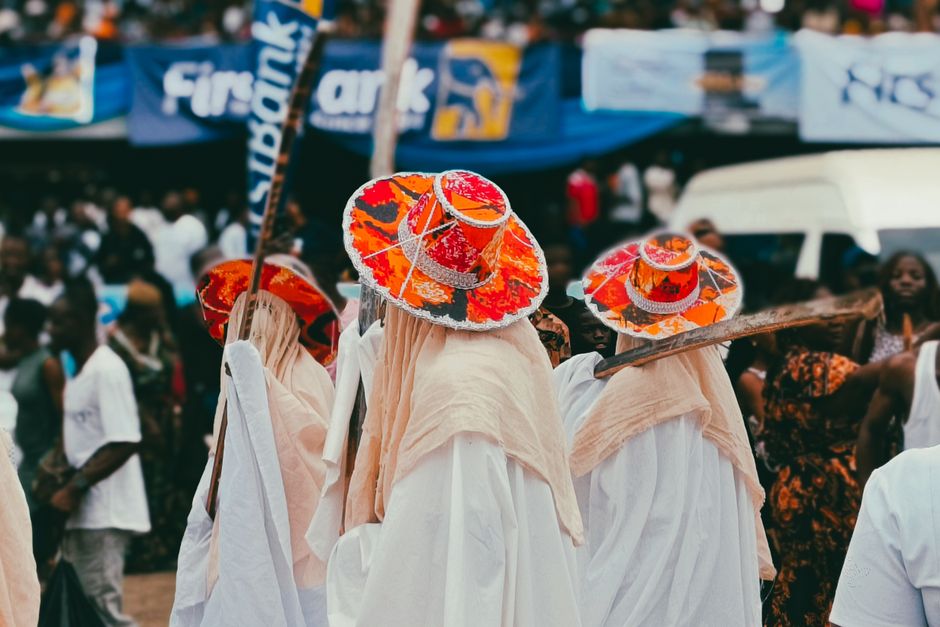
Held in Lagos, the Eyo Festival is a vibrant celebration that marks the passing of a significant individual or the coronation of a new Oba (king). Participants dressed in white robes and masks parade through the city, symbolizing the spirits of the ancestors.
Durbar Festival
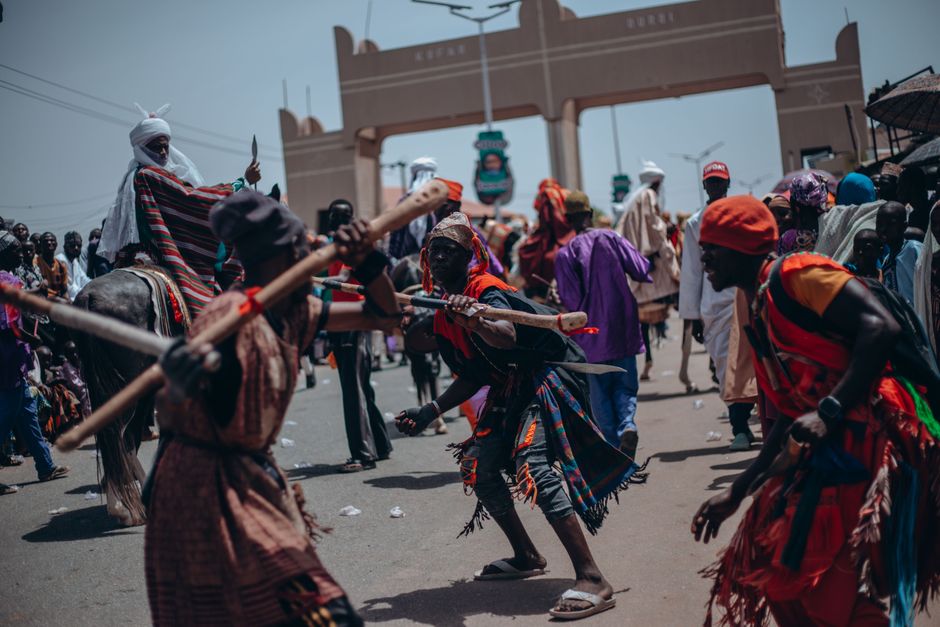
In Northern Nigeria, the Durbar Festival is a grand display of horsemanship and pageantry. It commemorates important Islamic holidays and is a significant cultural event in states like Kano and Katsina.
- When to Visit: Typically held during Eid al-Fitr and Eid al-Adha.
- What to Expect: Royal processions, traditional music, and colorful attire.
Nigerian Cuisine: A Culinary Adventure
Staple Foods
Nigerian cuisine is a delightful mix of flavors and spices, with each region offering its own signature dishes. From the savory Jollof rice of the Yoruba to the spicy pepper soup of the Igbo, every meal is a testament to the country's rich agricultural heritage.
Popular Dishes
- Jollof Rice: A popular West African dish made with rice, tomatoes, and spices.
- Egusi Soup: A hearty soup made from ground melon seeds, often served with pounded yam or fufu.
Traditional Attire: Fashion and Identity
Yoruba Attire
The Yoruba people are known for their elaborate clothing, often characterized by intricate designs and vibrant colors. The 'agbada' is a flowing robe that is commonly worn by men, while women often wear 'iro and buba', a wrap-around skirt and blouse combination.
Igbo Fashion
In the Igbo culture, traditional attire often includes a 'George' wrapper for women and an 'Isiagu' shirt for men, adorned with patterns that depict their heritage and status.
Conclusion
Exploring the cultural richness of Nigeria is a journey of discovery and appreciation. It's about understanding the deep connections that bind us to our past and celebrating the diversity that makes us unique. For Nigerian readers, this journey is not just about learning new things but also about rediscovering the beauty and depth of their own heritage. Whether through music, dance, food, or fashion, the culture of Nigeria offers a vibrant and rewarding experience for everyone willing to explore its depths.