When you think of Nigeria, what comes to mind? Is it the bustling city life of Lagos, the rhythmic beats of Afrobeat, or perhaps the vibrant Nollywood scene? Beyond these popular images lies a tapestry of diverse cultures, with the Yoruba culture standing out as one of the most captivating. As we embark on this journey to discover the heartbeat of Nigeria, we'll delve into the traditions, festivals, art, and the everyday life of the Yoruba people, offering you an insider's perspective that feels both familiar and fascinating.
The Yoruba culture is not just a part of Nigeria's identity; it is a testament to a rich heritage that spans centuries. Known for their artistic prowess, intricate traditional practices, and lively festivals, the Yoruba people have maintained a cultural identity that resonates with Nigerians and captivates the world. Whether you're a local or a foreign traveler, understanding the nuances of Yoruba culture provides a unique window into Nigeria's soul.
Join me as we explore the intricacies of Yoruba culture, from the vibrant celebrations of traditional festivals to the subtle grace of their art forms. We'll uncover the significance of language, religion, and the timeless traditions that keep the Yoruba spirit alive in the modern world.
The Roots of Yoruba Culture
Situated primarily in the southwestern part of Nigeria, the Yoruba ethnic group is one of the largest in Africa. With a population of over 40 million people, the Yoruba people have a rich history and a deep cultural heritage that has influenced much of West Africa.
Historical Overview
The Yoruba civilization dates back to as early as the 11th century, with major cities like Ile-Ife and Oyo serving as cultural and political hubs. According to Yoruba mythology, Ile-Ife is considered the birthplace of humanity, a belief that gives the city a sacred status among the Yoruba people.
- Ile-Ife: Known as the spiritual heart of the Yoruba, it was an ancient city-state known for its art and early political systems.
- Oyo Empire: Once a powerful empire in the region, it played a crucial role in the spread of Yoruba culture and influence throughout West Africa.
Language and Literature
The Yoruba language is not just a means of communication; it's a vessel of cultural expression. Rich in proverbs, oral poetry, and storytelling, the language reflects the wit and wisdom of the Yoruba people.
- Proverbs: Often used in everyday conversation, they convey deep meanings and cultural values.
- Folktales: Passed down through generations, these stories often teach moral lessons and are integral to Yoruba identity.
Religion and Spirituality
Religion plays a pivotal role in the lives of the Yoruba, shaping their worldview and influencing their daily practices. The Yoruba pantheon is rich with deities known as Orishas, each representing different aspects of life and nature.
Traditional Beliefs
The Yoruba religion, often referred to as Ifá, involves intricate rituals and ceremonies. The religion's profound understanding of divination and the spiritual world has been passed down through generations, maintaining a connection with the past.
- Orishas: Deities such as Sango (god of thunder) and Yemoja (goddess of rivers) are central to Yoruba spirituality.
- Ifá Divination: A complex system of divination that guides personal and communal decisions.
Christianity and Islam
While traditional beliefs remain strong, many Yoruba people have embraced Christianity and Islam, often blending elements of these religions with indigenous practices.
- Christian Festivals: Events like Christmas are celebrated with unique Yoruba customs.
- Islamic Traditions: Ramadan and Eid are observed with a Yoruba twist, demonstrating cultural integration.
Yoruba Festivals and Celebrations
The Yoruba calendar is filled with vibrant festivals that celebrate cultural heritage, religious beliefs, and community. These celebrations are not just events; they are experiences that bring people together in joy and unity.
Eyo Festival
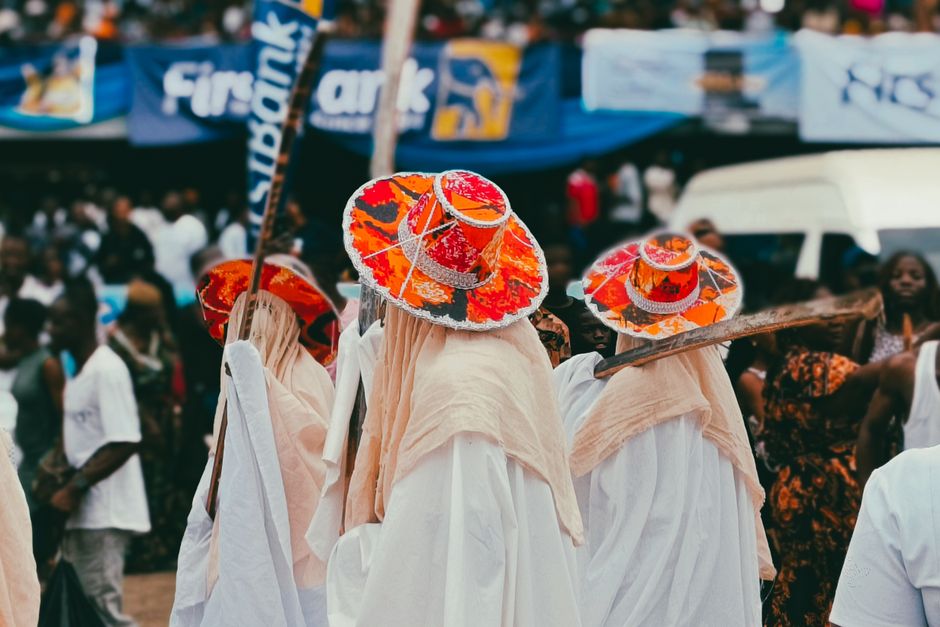
Held in Lagos, the Eyo Festival is a colorful parade that honors the spirits of ancestors. Participants, known as Eyo masqueraders, don white robes and hats, dancing through the streets in a display of cultural pride.
"The Eyo Festival is a spectacle of tradition and modernity, where history comes alive in the heart of the city."
Osun-Osogbo Festival
This UNESCO-recognized festival takes place in the sacred Osun-Osogbo Grove. It is a pilgrimage that attracts devotees and tourists alike, celebrating the goddess Osun with music, dance, and offerings.
- Rituals: Participants engage in ceremonies to honor and appease the goddess.
- Community Gathering: The festival serves as a reunion for the Yoruba diaspora.
Art and Craftsmanship
The artistic expression of the Yoruba people is unparalleled, showcasing a mastery of various art forms that convey cultural narratives and spiritual beliefs.
Sculpture and Carving
Yoruba sculptors are renowned for their intricate wood carvings and bronze sculptures, often depicting deities, ancestors, and everyday life.
- Bronze Casting: The ancient art of lost-wax casting is a testament to Yoruba artisans' skill and creativity.
- Wood Carvings: These pieces often serve ritualistic purposes, embodying spiritual symbolism.
Textiles and Fashion
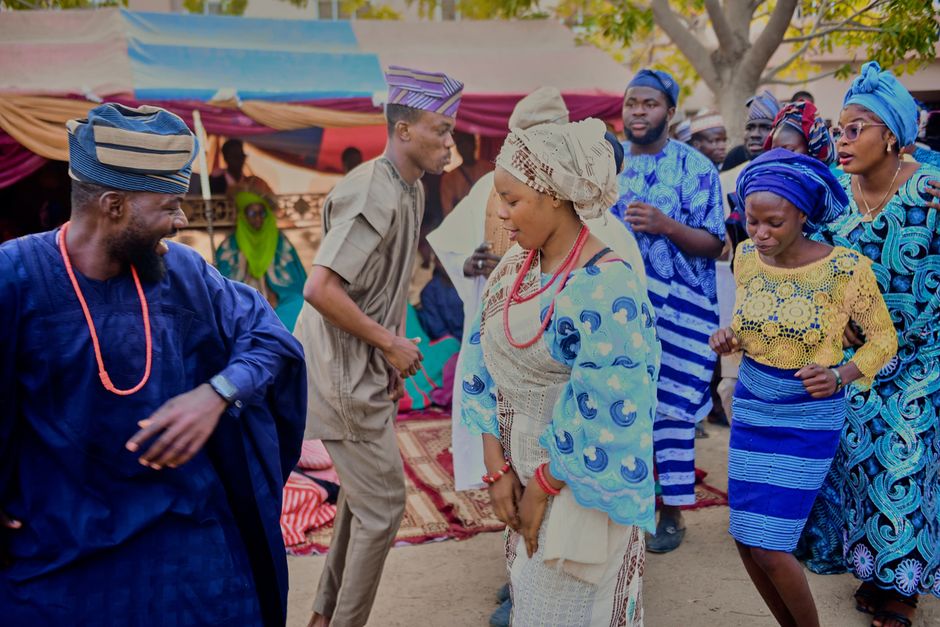
The vibrant textiles of the Yoruba, such as Aso Oke and Adire, are not merely clothing; they are statements of identity and tradition.
- Aso Oke: Traditionally worn during ceremonies, this handwoven fabric is rich in color and texture.
- Adire: A tie-dye technique that produces stunning patterns, showcasing the creativity of Yoruba women.
Final Thoughts
As we conclude our journey into the heart of Yoruba culture, it's clear that this vibrant heritage is a cornerstone of Nigeria's identity. From its rich history and spirituality to its lively festivals and artistic expressions, the Yoruba culture remains a beacon of tradition and innovation. Whether you're visiting Nigeria or exploring from afar, embracing this culture offers a deeper understanding of what makes this nation so unique.
So, the next time you find yourself in the midst of a Yoruba festival or admiring a piece of Yoruba art, remember the deep roots and the stories that each element carries. The Yoruba culture is not just a part of Nigeria; it is a testament to the enduring spirit of its people, a culture that continues to evolve while staying true to its origins.