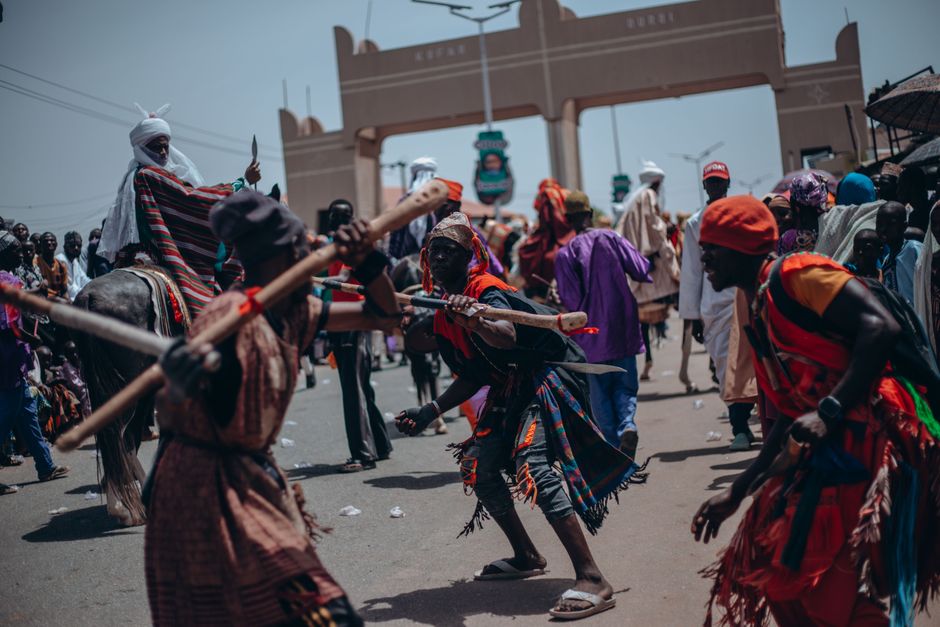
Nigeria, often celebrated as the 'Giant of Africa', is a nation brimming with cultural diversity and vibrant traditions. For the Nigerian traveler eager to explore the depths of their own culture, or for international visitors curious about West African heritage, Nigeria offers a plethora of experiences that are both enriching and enlightening. From the rhythmic beats of traditional drumming to the colorful displays at festivals, Nigeria's cultural landscape is a tapestry of history, art, and community spirit.
As you delve into the cultural heart of Nigeria, you'll find that each region, tribe, and community brings its own unique flavor to the nation's overall identity. This guide will walk you through the most compelling aspects of Nigerian culture, offering practical tips and insights to make the most of your cultural exploration.
The Rich Tapestry of Nigerian Festivals
Yam Festivals: A Celebration of Harvest
In many parts of Nigeria, the New Yam Festival is a significant cultural event. Celebrated particularly in the southeastern states, this festival signifies the end of the farming season and the beginning of the harvest for yams. Attending a yam festival provides a chance to witness traditional dances, masquerades, and the symbolic tasting of the first yams of the season.
- The New Yam Festival is usually celebrated in August.
- It involves various rituals, including the blessing of the yam by the community elders.
- Visitors can enjoy local delicacies made from yam, such as pounded yam and amala.
Eyo Festival: The Grand Parade of Lagos
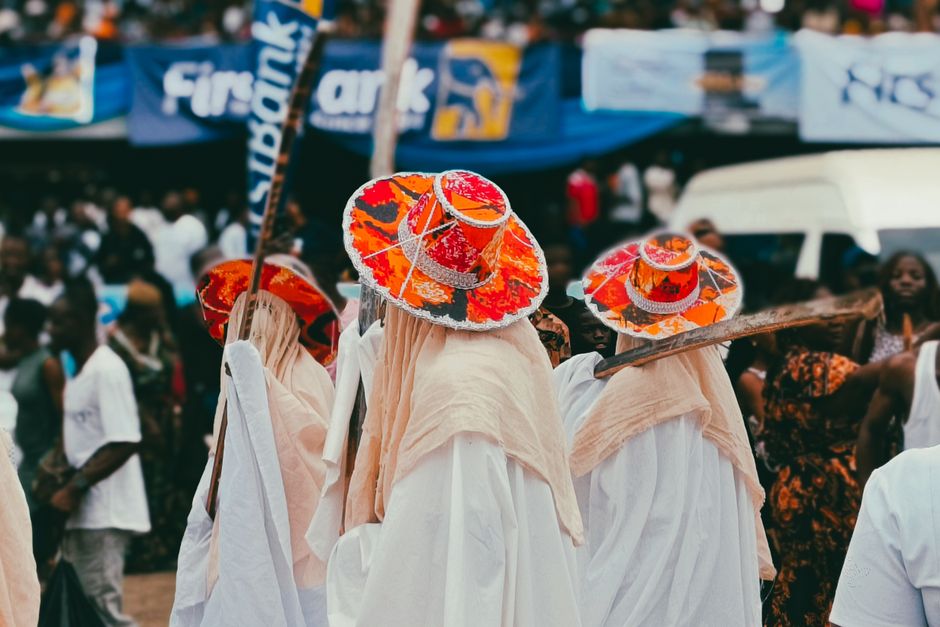
The Eyo Festival is one of the most iconic cultural events in Lagos, often considered a precursor to the modern-day carnival in Brazil. This festival features the Eyo masqueraders, who parade the streets of Lagos Island in their distinctive white robes and hats, carrying opambata (staffs).
- The festival is traditionally held to commemorate important events or prominent Lagosians.
- The Eyo masqueraders are said to represent the spirits of the ancestors.
- It's a rare spectacle, often linked with the installation of a new Oba (king) or the death of one.
Traditional Arts and Crafts
Aso-Oke: The Power of the Loom
Aso-Oke is a handwoven cloth originating from the Yoruba people in southwestern Nigeria. Known for its vibrant colors and intricate patterns, Aso-Oke is often worn at weddings and other significant ceremonies. Learning about Aso-Oke offers insight into the artistic prowess and cultural values of the Yoruba people.
Expert Tip: When in Lagos or Ibadan, visit local markets like Balogun or Bodija to see Aso-Oke being made or to purchase a piece of your own.
Bronze Sculptures of Benin
The ancient Kingdom of Benin, located in present-day Edo State, is renowned for its exquisite bronze sculptures. These artworks, which date back to the 13th century, offer a glimpse into the sophisticated artistry and historical narratives of the Benin people.
- The Benin bronzes depict various aspects of court life, myths, and historical events.
- Visitors can explore these artifacts at the National Museum in Lagos and the Benin City National Museum.
Nigerian Music: The Rhythms of a Nation
Afrobeats: The Soundtrack of Modern Nigeria
Nigeria has become the epicenter of Afrobeats, a genre that blends traditional African music with global influences such as jazz, funk, and hip-hop. Artists like Fela Kuti pioneered this genre, which continues to evolve and capture international audiences.
- Popular Afrobeats artists include Burna Boy, Wizkid, and Tiwa Savage.
- Lagos is the hub of the Afrobeats scene, with numerous venues and festivals celebrating the genre.
Traditional Drumming: The Heartbeat of Culture
Drumming is an integral part of many Nigerian cultures. Different ethnic groups have distinct drumming styles that play crucial roles in ceremonies, storytelling, and celebrations.
Key Takeaway: Participating in a drumming circle or attending a local performance can provide a deeper understanding of the cultural significance of music in Nigeria.
A Taste of Nigeria: Culinary Traditions
Jollof Rice: A West African Staple
No discussion about Nigerian culture is complete without mentioning its cuisine. Jollof rice, a beloved dish across West Africa, is a must-try. This flavorful one-pot meal is often served at parties and social gatherings.
- Ingredients typically include rice, tomatoes, onions, and a blend of spices.
- Each region has its own variation, but the Nigerian version is known for its rich, spicy taste.
Suya: The Nigerian Barbecue
Suya, a spicy meat skewer, is a popular street food in Nigeria. Originating from the northern Hausa region, suya is marinated in a blend of spices known as yaji before being grilled.
- Suya is usually made with beef, chicken, or goat.
- It's best enjoyed with a cold drink and a side of sliced onions and tomatoes.
Conclusion
Exploring Nigeria's cultural heritage offers a fascinating journey through a land of diverse traditions and vibrant history. From the colorful festivals and artistic expressions to the dynamic music scene and delectable cuisine, Nigeria promises a cultural experience that is as enlightening as it is enjoyable. Whether you're a local or a visitor, immersing yourself in these cultural aspects will undoubtedly deepen your appreciation for Nigeria's rich heritage and the communities that keep these traditions alive.