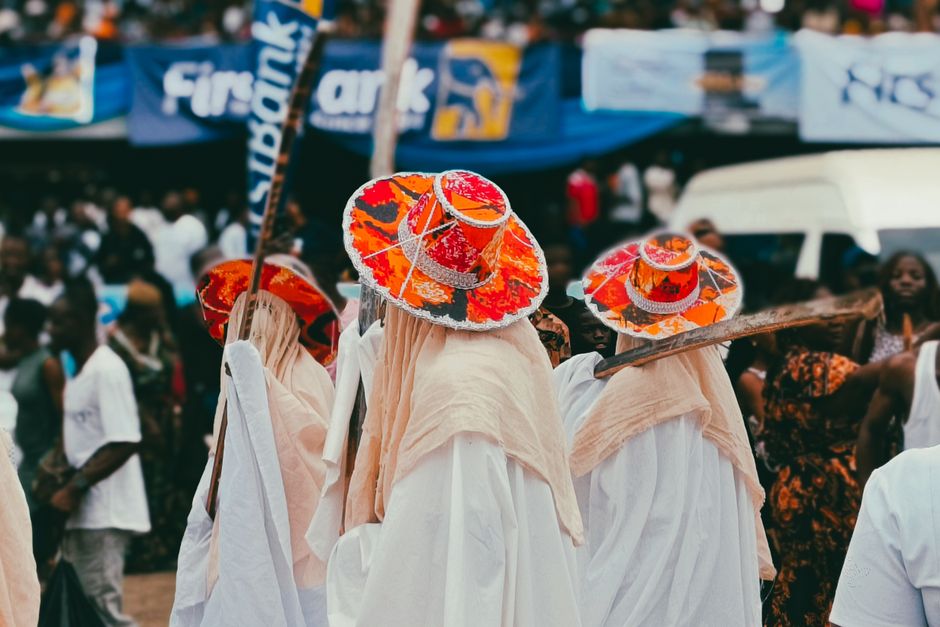
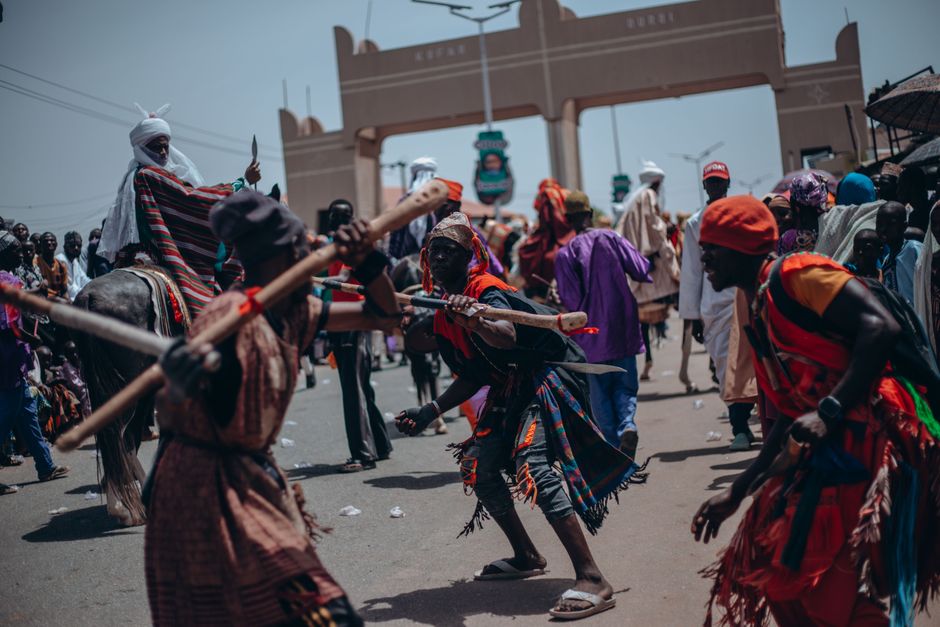
When you think of West Africa, images of vibrant markets, rhythmic music, and rich traditions likely spring to mind. Ghana, a jewel in the crown of West Africa, is a country where culture and history blend seamlessly. For Nigerians eager to explore a neighboring nation with a kindred spirit, Ghana offers a journey through time and tradition, a perfect blend of the old and the new.
The heart of Ghana is its people, known for their warm hospitality and rich cultural heritage. From the bustling capital of Accra to the historic castles of Cape Coast, Ghana is a country that invites you to dive into its colorful tapestry of life.
Whether you're drawn by the lure of its festivals, the haunting beauty of its landscapes, or the stories embedded in its historic sites, Ghana promises an unforgettable experience. Let's embark on a journey that connects West African traditions with those you hold dear in Nigeria, and discover what makes Ghana a must-visit destination.
The Enchanting Festivals of Ghana
Chale Wote Street Art Festival
Held annually in Accra, the Chale Wote Street Art Festival is a celebration of creativity and culture. This festival turns the streets into a vibrant canvas of art, music, and dance, attracting artists from all over the world.
"Chale Wote is more than just art; it's a cultural explosion that unites people from different walks of life."
Visitors can expect to see everything from street art and graffiti to performances and installations. This festival is perfect for Nigerians who appreciate art and want to experience a similar vibe to the Lagos Art Festival.
Panafest: A Festival of Reconciliation
Panafest is a biennial cultural festival that addresses the effects of the transatlantic slave trade. Held in Cape Coast and Elmina, it features events such as theater performances, workshops, and tours of the historic castles.
This festival is particularly poignant for those interested in Africa's history and its diaspora. As a Nigerian, understanding this shared history can be both enlightening and humbling.
Exploring Ghana's Historical Sites
Cape Coast Castle
The Cape Coast Castle, a UNESCO World Heritage site, is one of the most significant reminders of the transatlantic slave trade. This imposing structure offers guided tours that take you through its dungeons and the infamous 'Door of No Return'.
"Standing in the dungeons of Cape Coast Castle is a powerful moment that brings history to life."
For Nigerians, visiting the castle can be a deeply moving experience, offering insights into the resilience and history shared by many African nations.
Elmina Castle
Just a short drive from the Cape Coast Castle lies Elmina, the oldest European building in sub-Saharan Africa. This fortress offers a captivating look at the colonial history of the region.
Elmina is not just a historical site but a testament to the enduring spirit of the Ghanaian people. The guided tours here walk you through centuries of history, offering a perspective that resonates deeply with West Africans.
Ghanaian Cuisine: A Culinary Adventure
The Flavorful Jollof Rice Debate
Ghana and Nigeria have long debated who makes the best Jollof rice. Trying Ghanaian Jollof firsthand is an experience every Nigerian should savor. The subtle differences in spice and technique make each country's version unique.
- Waakye: A popular Ghanaian street food made with rice and beans, often served with fried fish or meat.
- Fufu and Light Soup: A staple dish in Ghana, similar to Nigerian pounded yam, served with a spicy soup.
- Banku and Tilapia: Fermented corn dough served with grilled tilapia, a favorite Ghanaian meal.
Exploring these dishes not only tantalizes your taste buds but also offers a glimpse into Ghana's cultural identity.
The People and Their Traditions
Kente Cloth: A Symbol of Identity
Kente cloth is a vibrant, intricately woven fabric that holds great cultural significance in Ghana. Traditionally worn during important ceremonies, it symbolizes Ghanaian identity and pride.
"Wearing Kente is like wrapping yourself in the spirit and tradition of Ghana."
For Nigerians visiting Ghana, purchasing Kente as a souvenir offers a tangible connection to the country's cultural heritage.
Adinkra Symbols: Stories Woven in Fabric
Adinkra symbols are another integral part of Ghanaian culture. These symbols represent concepts or aphorisms and are often found in textiles, pottery, and logos.
Learning about Adinkra symbols can enrich your understanding of Ghanaian values and beliefs, offering a deeper appreciation of the cultural similarities across West Africa.
Conclusion
From its splendid festivals to its profound history and rich culinary traditions, Ghana stands as a beacon of West African culture. For Nigerians, this neighboring country offers a familiar yet distinct experience, inviting exploration and discovery. As you plan your visit, remember that every moment spent in Ghana is an opportunity to connect with a shared African heritage.
Whether you're wandering through art festivals, delving into the past at historic castles, or savoring the delightful flavors of Ghanaian cuisine, you're sure to bring back memories and experiences that resonate with the heart of West Africa.