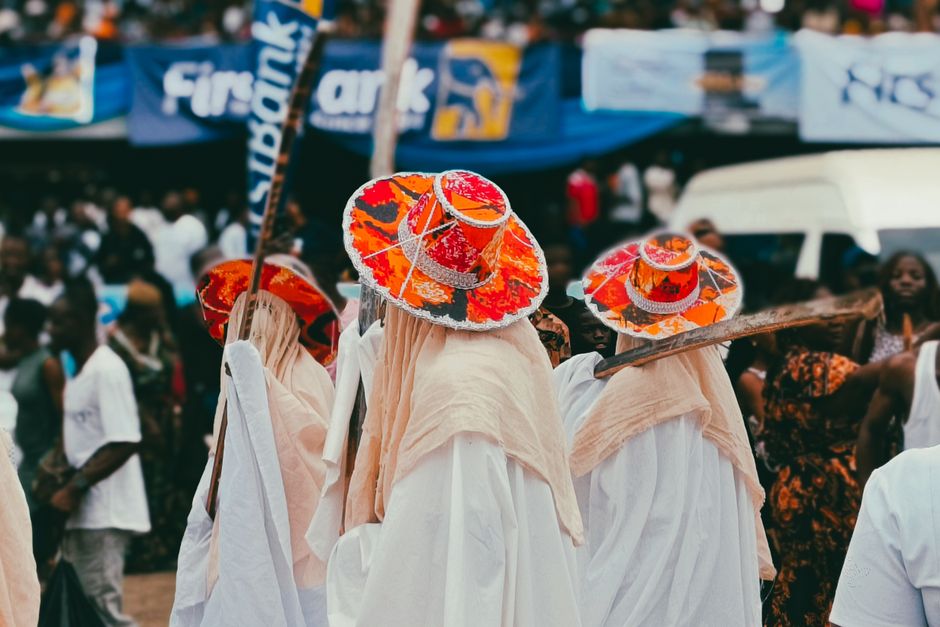
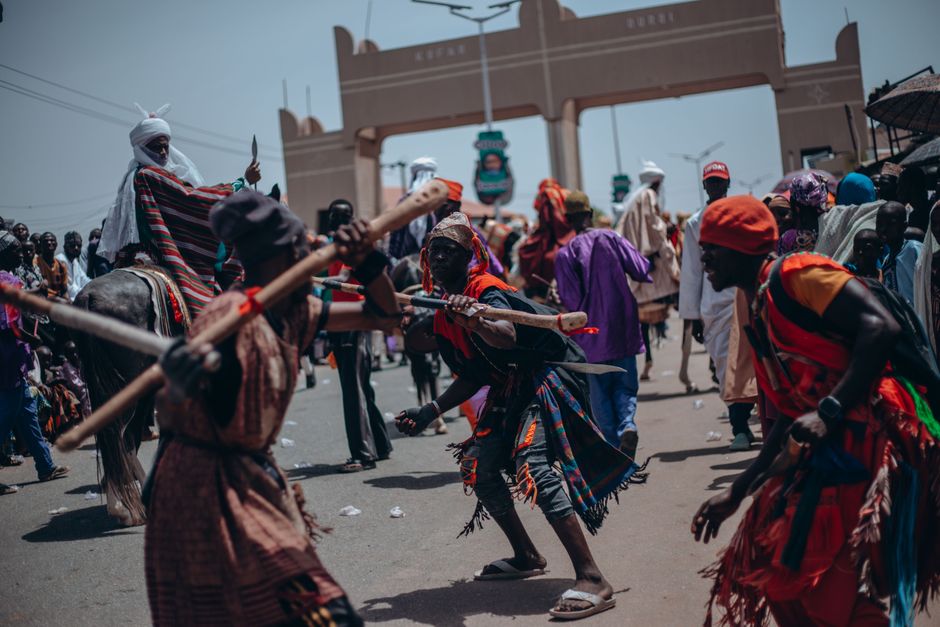
Imagine strolling through a bustling marketplace, the air filled with the aroma of spices and the vibrant colors of textiles stretching as far as the eye can see. Welcome to the markets of West Africa, where culture, commerce, and community merge into an unforgettable experience. For Nigerian travelers and those eager to discover the heartbeat of this region, West African markets offer both a visual feast and a profound cultural immersion.
Markets are not just places to buy and sell goods; they are the social and economic centers of local communities. In West Africa, these lively hubs are a reflection of the region's rich cultural tapestry. Whether you’re a seasoned traveler or a curious first-timer, exploring these bustling marketplaces can offer insights into local life that few other experiences can match.
In this guide, we will take you on a journey through some of the most remarkable markets in West Africa, offering tips on how to navigate them and what treasures to seek out. From the iconic Yaba Market in Lagos to the historic Marché Sandaga in Dakar, prepare to be enchanted by the diversity and vibrancy of West African markets.
The Significance of Markets in West African Culture
Historical Context
Markets have been the lifeblood of communities in West Africa for centuries. Historically, they served as crucial trading points in the trans-Saharan trade routes, connecting diverse cultures and allowing for the exchange of goods, ideas, and traditions. These markets were more than just economic centers; they were venues for social interaction and cultural exchange.
Cultural Reflection
Each market is a microcosm of the region’s cultural diversity. As you wander through the stalls, you’ll encounter an array of languages, clothing styles, and culinary traditions, each telling a story of the people who inhabit these lands. Markets are where the old meets the new, preserving traditional practices while embracing modern influences.
Markets are the heart of West African communities, offering a window into their vibrant cultures and everyday lives.
Must-Visit Markets in West Africa
Yaba Market, Lagos, Nigeria
Located in the bustling city of Lagos, Yaba Market is a treasure trove for shoppers and explorers alike. Known for its affordable clothing, electronics, and textiles, this market is a favorite among locals and visitors. Whether you're hunting for the latest fashion trends or unique souvenirs, Yaba Market has something for everyone.
When visiting, it's essential to come prepared for the bustling crowds and lively atmosphere. Haggling is a common practice, so don’t hesitate to negotiate prices with the vendors.
Marché Sandaga, Dakar, Senegal
Marché Sandaga in Dakar is a historic market known for its rich assortment of handcrafted goods and local produce. From vibrant fabrics to intricately carved wooden sculptures, this market is an artistic haven. It's a fantastic spot to pick up traditional Senegalese attire or exquisite jewelry crafted by local artisans.
Visiting Marché Sandaga is not just about shopping; it’s about experiencing the local culture. Take the time to chat with vendors and learn about their crafts.
Mokola Market, Accra, Ghana
Mokola Market is one of the largest markets in Accra and is famous for its textiles and fashion items. The market is a labyrinth of stalls offering everything from traditional Kente cloth to modern apparel. It's a vibrant place where fashionistas can find both trendy and traditional clothing items.
While exploring Mokola Market, be sure to sample local delicacies from street vendors, offering a true taste of Ghanaian cuisine.
Tips for Navigating West African Markets
Prepare to Bargain
Bargaining is a common practice in West African markets. To successfully negotiate, start by offering a price lower than what you're willing to pay and gradually meet in the middle. Remember, it's all part of the experience and can be an enjoyable interaction if approached with a friendly attitude.
Respect Local Customs
Understanding and respecting local customs can enhance your market experience. Dress modestly, and always ask for permission before photographing vendors or their wares. Learning a few phrases in the local language can also go a long way in building rapport with vendors.
- Be Mindful of Your Belongings: Markets can be crowded, so keep a close eye on your personal belongings to avoid pickpocketing.
- Stay Hydrated: The hustle and bustle can be exhausting, so carry water and stay hydrated.
- Be Patient: Take your time to explore and soak in the experience. Rushing through the market may cause you to miss out on hidden gems.
Local Treasures to Look Out For
Textiles and Fabrics
From vibrant Ankara prints to luxurious Kente cloth, West African markets are renowned for their stunning textiles. These fabrics are not only beautiful but also steeped in cultural significance. Don’t miss the opportunity to bring home a piece of West African artistry.
Handcrafted Goods
Artisans in West Africa create an array of handcrafted goods that make perfect souvenirs. Look for items such as woven baskets, leather goods, and intricate beadwork, each showcasing the region’s rich artistic heritage.
Spices and Ingredients
Markets are a feast for the senses, with stalls brimming with spices, herbs, and local ingredients. Whether you're a culinary enthusiast or just curious, exploring the flavors of West Africa can be a delightful experience.
Conclusion
Exploring the markets of West Africa is a journey through the vibrant heart of the region. These markets are not just places to shop; they are cultural epicenters where the soul of West Africa is on full display. For Nigerian travelers and those visiting the region, immersing oneself in the local market scene promises an adventure filled with discovery and connection.
From the bustling lanes of Yaba Market in Lagos to the historic charm of Marché Sandaga in Dakar, each market offers a unique glimpse into the diverse cultures and traditions that define West Africa. So, pack your bags, bring your bargaining skills, and get ready to experience the enchanting world of West African markets.