West Africa is a tapestry of cultures woven together by history, tradition, and the vibrant spirit of its people. For Nigerian travelers and those across the globe, exploring this region offers a unique opportunity to dive into a world where every corner tells a story. From the rhythmic beats of traditional music to the lively festivals that light up the streets, West Africa beckons with the promise of adventure and discovery.
Imagine stepping into a bustling market in Accra, the air filled with the scent of spices and the chatter of traders. Or dancing to the hypnotic rhythms of a djembe drum in a village square in Mali. These experiences are just a glimpse of what awaits in this enchanting part of the continent.
Join us as we embark on a journey through the rich cultural landscape of West Africa, focusing on traditions, music, and the culinary delights that define this extraordinary region.
The Rich Tapestry of West African Traditions
Traditional Ceremonies and Festivals
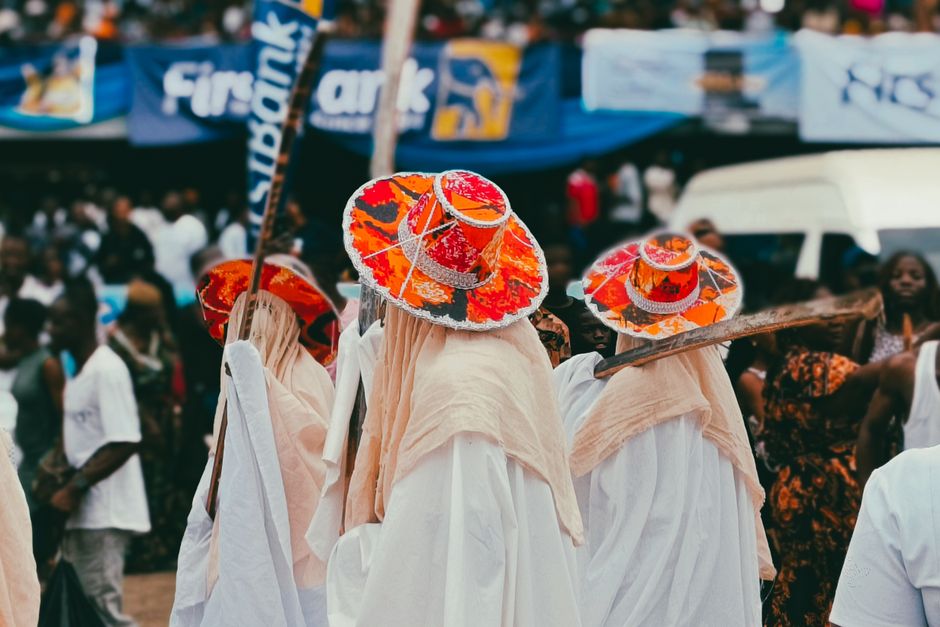
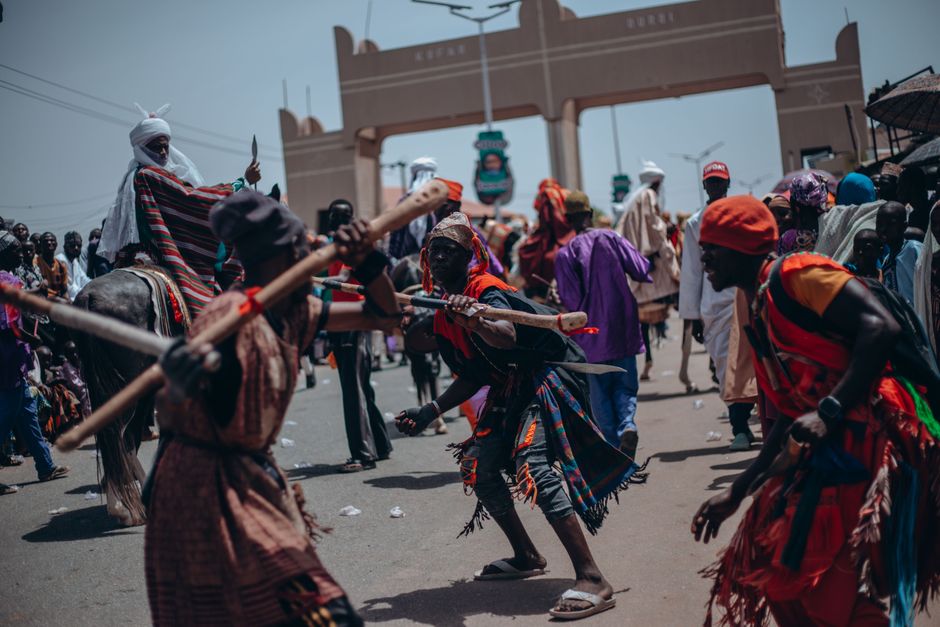
West Africa is renowned for its spectacular festivals, each offering a unique glimpse into the region's diverse cultures. Whether it's the colorful Durbar festival in Nigeria, where horsemen in vibrant attire parade through the streets, or the evocative Voodoo Festival in Benin, these celebrations are deeply rooted in history and tradition.
- Durbar Festival (Nigeria): A grand procession of horsemen, drummers, and dancers celebrating Islamic traditions.
- Fête du Vodoun (Benin): Celebrating the Voodoo religion with music, dance, and rituals.
- Panafest (Ghana): A festival that celebrates Pan-Africanism and the African diaspora.
Traditional Attire and Art
The vibrant textiles and intricate designs of West African attire are not just fashion statements but are deeply symbolic. Fabrics like Ankara and Kente carry stories and meanings, often passed down through generations.
"The colors and patterns of West African clothing are a language of their own, speaking volumes about heritage, status, and identity."
Art in West Africa is equally expressive, with masks, sculptures, and paintings that reflect the region's rich cultural heritage.
The Rhythms of West African Music
Musical Instruments and Styles
Music is the heartbeat of West Africa, with each country boasting its unique styles and instruments. The kora, a 21-string lute-bridge-harp, is iconic in Mali, while the talking drum is a staple in Nigeria.
- Kora (Mali): Known for its melodic sound, played by griots.
- Talking Drum (Nigeria): Used in storytelling and communication, known for its ability to mimic the tones of human speech.
- Balafon (Guinea): A type of wooden xylophone, essential in traditional music compositions.
Influential Genres and Artists
Afrobeat, Highlife, and Juju are just a few genres that have put West African music on the global map. Artists like Fela Kuti and Angelique Kidjo have become cultural ambassadors, spreading the sounds of West Africa worldwide.
"West African music is more than entertainment; it's a powerful tool for storytelling, resistance, and cultural expression."
Culinary Delights of West Africa
Staple Ingredients and Dishes
West African cuisine is a flavorful adventure, characterized by its bold spices and hearty ingredients. Staple foods include rice, plantains, and cassava, all forming the base of many beloved dishes.
- Jollof Rice (Nigeria): A versatile and popular dish made with rice, tomatoes, and spices.
- Fufu (Ghana): A starchy side made from cassava or yams, often served with soup or stew.
- Yassa (Senegal): A spicy dish made with marinated chicken or fish, cooked with onions and mustard.
Culinary Traditions and Techniques
Cooking in West Africa is often a communal activity, with recipes passed down through generations. Techniques like grilling over open flames and slow-cooking stews are common, adding depth to the flavors.
Preserving and Promoting West African Culture
Efforts and Initiatives
Preserving the rich cultural heritage of West Africa is crucial for future generations. Various initiatives focus on promoting traditional crafts, music, and cultural education.
- UNESCO Cultural Heritage Sites: Many sites in West Africa have been recognized for their cultural significance.
- Cultural Festivals: Events like the Abuja Carnival promote cultural diversity and unity.
- Educational Programs: Schools and workshops teach traditional arts and crafts to keep them alive.
The Role of Technology and Media
Technology plays a pivotal role in promoting West African culture today. Social media platforms and online exhibitions provide a global stage for artists and cultural practitioners.
"The digital age offers unprecedented opportunities to share and celebrate the diverse cultures of West Africa with the world."
Conclusion
The rich cultures of West Africa are a testament to the enduring spirit and creativity of its people. From the vibrant festivals and traditional music to the delicious culinary experiences, this region offers a wealth of experiences for the curious traveler. As we embrace and celebrate these cultures, we ensure their legacy continues to inspire future generations.