Nigeria, known for its diverse cultures and rich historical tapestry, offers a fascinating array of traditions that have enamored travelers and cultural enthusiasts from around the world. Among Nigeria's numerous ethnic groups, the Yoruba people stand out for their vibrant cultural expressions, intricate art, and deep-rooted traditions. Whether you are planning to visit Nigeria or exploring your cultural heritage, delving into the world of the Yoruba promises a rewarding and enlightening experience.
The primary keyword here is Yoruba culture, and within the first 100 words, we aim to encapsulate the essence of what makes this exploration so captivating. From traditional festivals that fill the air with rhythm and joy to the captivating stories etched in Yoruba art, this piece serves as your guide to understanding and appreciating the Yoruba way of life.
As a Nigerian reader, you might find familiar echoes in these narratives, or perhaps discover new facets of a culture that has shaped much of Nigeria's history and contemporary society. Let's embark on this cultural journey, exploring the Yoruba's contribution to Nigeria's multicultural identity.
The Rich History of the Yoruba People
Origins and Early History
The Yoruba people's history is both long and storied, with origins tracing back several centuries. Their early settlements were among the first urban centers in West Africa, renowned for their organizational prowess and vibrant trade networks.
- The kingdom of Ife, often considered the spiritual heartland of the Yoruba, played a pivotal role in the development of Yoruba civilization.
- Archaeological findings in Ife, such as terracotta sculptures, reveal the artistic sophistication of early Yoruba society.
- The Yoruba were also skilled traders, which facilitated cultural exchanges and economic prosperity in the region.
Colonial Era and Independence
Like many African societies, the Yoruba faced significant changes during the colonial era. The imposition of colonial rule altered their traditional governance structures, yet the Yoruba's resilience ensured their cultural practices persisted.
"The resilience of the Yoruba people during colonial times is a testament to their strong cultural foundation and adaptability."
Post-independence, the Yoruba continued to influence Nigeria's political landscape, contributing significantly to the country's leadership and intellectual discourse.
Cultural Practices and Traditions
Festivals and Celebrations
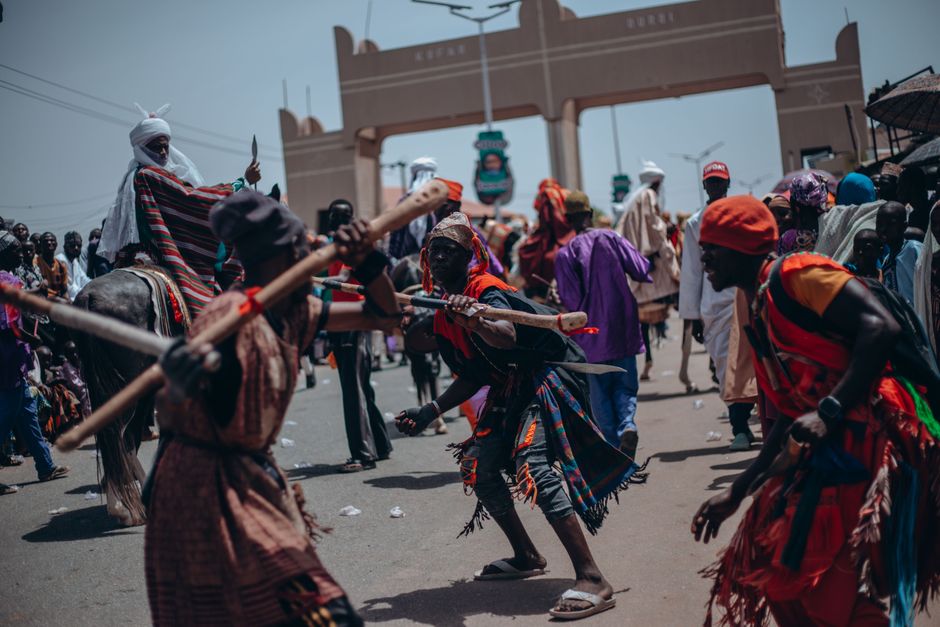
The Yoruba calendar is replete with vibrant festivals that showcase their rich cultural heritage. These celebrations are a kaleidoscope of colors, sounds, and rituals that bring communities together.
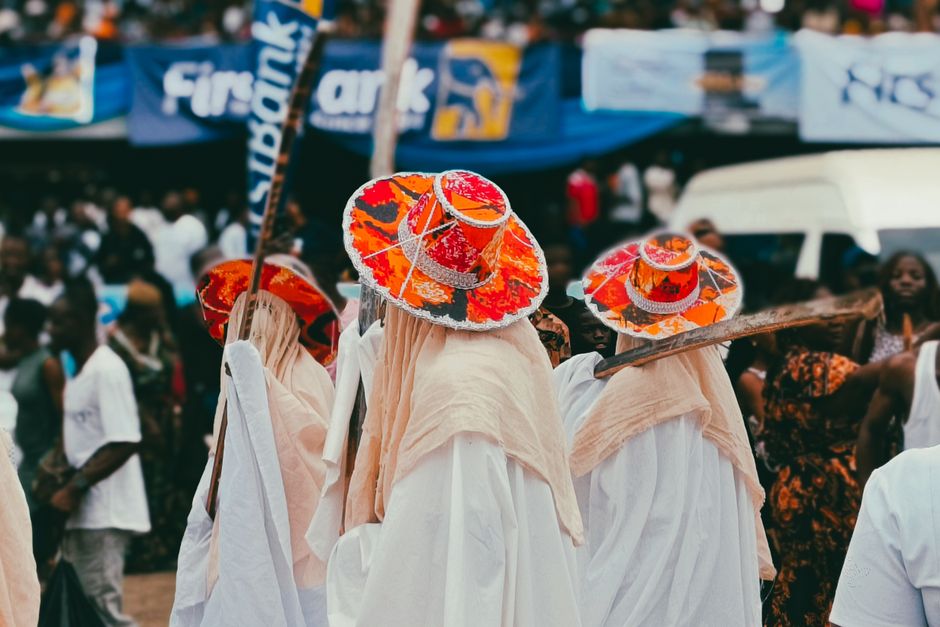
- Eyo Festival: Often held in Lagos, this festival is marked by the iconic masquerades, known as 'Eyo', who parade the streets in a grand display of culture and tradition.
- Osun-Osogbo Festival: Held in honor of the river goddess Osun, this UNESCO-recognized festival attracts thousands of visitors to Osogbo, offering a mesmerizing spiritual and cultural experience.
- Egungun Festival: A tribute to ancestors, this festival features elaborate masquerades and serves as a reminder of the Yoruba's deep spiritual beliefs and connection to their past.
Art and Craftsmanship
The Yoruba are renowned for their craftsmanship, with art forms that have transcended generations and continue to captivate global audiences.
- Sculpture: Yoruba sculpture, particularly in wood and bronze, often depicts deities and ancestors, reflecting their religious and cultural narratives.
- Textiles: The intricate patterns of Yoruba textiles, such as the famous 'adire' fabric, are a testament to their artistic ingenuity and cultural symbolism.
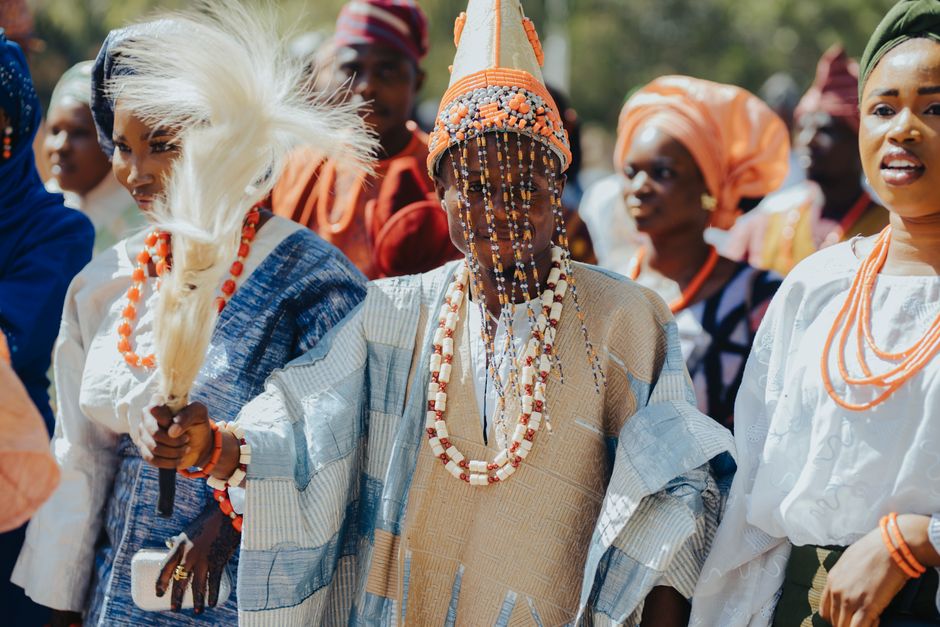
- Beadwork: Beads play a significant role in Yoruba decoration and attire, often used in ceremonial regalia and everyday fashion.
The Influence of Yoruba Religion and Beliefs
Traditional Religion
The Yoruba traditional religion is a complex system of beliefs and practices centered around a pantheon of deities known as Orishas. These deities govern various aspects of life and nature, and are revered across Yoruba communities.
"Yoruba religion emphasizes harmony with nature and the interconnectedness of all life forms."
The practice of Ifa divination, a central component of Yoruba spirituality, involves interpreting signs and symbols to provide guidance and insights into life's challenges.
Impact on Modern Christianity and Islam
Despite the spread of Christianity and Islam in Nigeria, many Yoruba people have seamlessly integrated elements of their traditional beliefs into these religions, creating a unique spiritual tapestry.
- This syncretism is evident in the celebration of religious festivals, where Christian and Islamic festivities often incorporate Yoruba cultural elements.
- Yoruba spirituality's emphasis on community and family continues to influence religious practices, fostering a sense of unity and shared purpose.
The Yoruba Language and Its Dialects
Importance of Language
Language is a vital aspect of cultural identity, and Yoruba, with its rich oral traditions and literature, plays a crucial role in preserving the culture.
- The Yoruba language is tonal, with its meaning often dependent on pitch, making it a unique linguistic experience.
- Proverbs and folktales in Yoruba are not only a means of communication but also a way to pass down wisdom and moral teachings.
Dialects and Regional Variations
While Yoruba is widely spoken in southwestern Nigeria, there are several dialects, each with distinct linguistic features that reflect the region's diversity.
- Notable dialects include Ekiti, Ijebu, and Oyo, each contributing to the richness of the Yoruba linguistic landscape.
- These dialects, while mutually intelligible, carry unique expressions and idioms that add depth to the Yoruba cultural experience.
Yoruba Cuisine: A Culinary Adventure
Staple Foods and Dishes
Yoruba cuisine is a delightful journey through flavors and textures, often characterized by its bold spices and diverse ingredients.
- Amala: A popular dish made from yam flour, often served with a variety of rich, flavorful soups.
- Jollof Rice: A staple at celebrations, this vibrant rice dish is a beloved favorite, often sparking friendly rivalries over its preparation.
- Efo Riro: A hearty vegetable soup, typically made with spinach and assorted meats, offering a taste of home-cooked comfort.
Culinary Influence and Evolution
Yoruba cuisine has evolved over time, influenced by trade and cultural exchanges, yet it remains deeply rooted in traditional cooking methods and indigenous ingredients.
- The use of local spices and herbs, such as locust beans and chili peppers, gives Yoruba dishes their distinct and memorable flavor profile.
- Food plays a vital role in Yoruba social life, with communal dining seen as an opportunity to strengthen bonds and share cultural stories.
Conclusion
The Yoruba culture, with its rich tapestry of history, art, religion, language, and cuisine, offers a fascinating window into one of Nigeria's most influential ethnic groups. Whether you are exploring your roots or discovering new cultural experiences, the Yoruba people provide a vibrant and captivating journey through Nigeria's diverse heritage. From the rhythmic beats of traditional festivals to the intricate stories woven into their art, the Yoruba culture is a celebration of life, resilience, and community.
As you immerse yourself in the Yoruba way of life, you are not just witnessing a culture but participating in a living narrative that continues to shape Nigeria's identity and influences the world.