East Africa is a region renowned for its breathtaking landscapes, diverse ecosystems, and rich history. But perhaps one of the most fascinating aspects of this region is its vibrant tapestry of cultures. From the Maasai warriors of Kenya to the Hadzabe hunter-gatherers of Tanzania, the tribes of East Africa offer a unique glimpse into a world where tradition meets modernity.
For Nigerian travelers looking to explore East Africa, understanding these cultures can provide a deeper connection to the places you visit. Whether you're drawn to the rhythmic dances, vivid attire, or age-old rituals, each tribe has its own story to tell, and each offers a unique perspective on life in this part of the world.
In this article, we'll delve into the customs, traditions, and daily lives of some of the most fascinating tribes in East Africa. So, grab your map and let's embark on a cultural journey through this incredible region!
The Maasai Tribe: Guardians of the Great Rift Valley
Traditional Attire and Decor
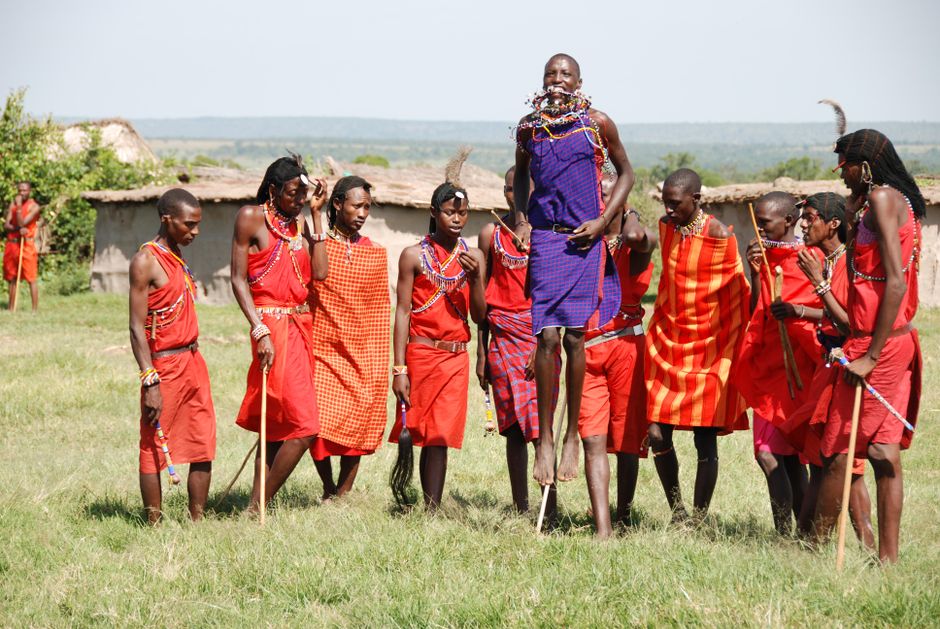
The Maasai are perhaps the most recognizable tribe in East Africa, known for their striking traditional attire. The vibrant red shukas (cloth wraps) they wear are not just for style but hold cultural significance, symbolizing courage and strength.
Adorning their bodies with intricate beadwork, the Maasai express stories and social status through these colorful decorations. Each piece of jewelry holds meaning, often representing beauty, bravery, and the tribe's history.
Cultural Practices and Rituals
The Maasai are semi-nomadic pastoralists, deeply connected to their cattle, which are central to their way of life. The rituals surrounding cattle, from naming ceremonies to the famous jumping dance – the ‘adumu’ – are integral to Maasai culture.
"For the Maasai, cattle are not just livestock; they are the foundation of life, embodying wealth, health, and social status."
The Hadzabe Tribe: Masters of the Hunt
Life as Hunter-Gatherers
The Hadzabe are one of the last remaining hunter-gatherer tribes in Africa. Living near Lake Eyasi in Northern Tanzania, they have managed to preserve their ancient lifestyle, relying on hunting and foraging for their daily sustenance.
Using handmade bows and arrows, the Hadzabe hunt small game, while their foraging skills lead them to a variety of wild fruits and roots. This lifestyle fosters a deep understanding and respect for nature, which is evident in their daily practices.
Language and Music
The Hadzabe speak the Hadza language, characterized by click consonants, similar to those found in the Khoisan languages of Southern Africa. Music and singing play a vital role in their social and spiritual lives, with songs often associated with specific events and seasons.
The Swahili Coast: A Blend of Cultures
Historical Influences
The Swahili Coast, stretching along the eastern edge of Africa, is a melting pot of cultures, shaped by centuries of trade and interaction with the Arabian Peninsula, India, and beyond. This blend is evident in the architecture, language, and cuisine of the region.
Swahili, the lingua franca of the region, is a Bantu language heavily influenced by Arabic, reflecting the historical trade connections.
Festivals and Culinary Delights
Festivals in the Swahili Coast, such as the Mombasa Carnival or the Lamu Cultural Festival, showcase the rich traditions of the area. These events are vibrant celebrations of music, dance, and cuisine, offering visitors a taste of Swahili culture.
The culinary scene is equally diverse, with dishes such as pilau, biryani, and the famous Zanzibar pizza, highlighting a unique fusion of flavors.
Engaging with East African Tribes: Ethical Considerations
Respect and Understanding
When visiting tribal communities, it is crucial to approach with respect and an open mind. Engage with locals through community tours that are ethical and sustainable, ensuring that your visit supports the community without disrupting their daily lives.
- Book tours with local guides who have a deep understanding of the culture and speak the local language.
- Respect cultural norms, including dress codes and photography permissions.
- Contribute to community projects that benefit the locals directly.
Learning and Sharing
Take the opportunity to learn from the tribes you visit, but also share your own culture and experiences. This exchange fosters mutual respect and understanding, enriching both visitors and hosts.
"Traveling to learn, and not just to see, enriches the soul and broadens horizons."
Conclusion
East Africa's tribes offer a rich tapestry of culture and tradition, each with its own unique story. By exploring these communities with respect and curiosity, travelers can gain a deeper appreciation for the diverse cultures that define this region. Whether you're wandering through the vast plains with the Maasai or enjoying a Swahili feast by the coast, East Africa offers endless opportunities to connect with its people and heritage. So, why not pack your bags and start your cultural exploration today?