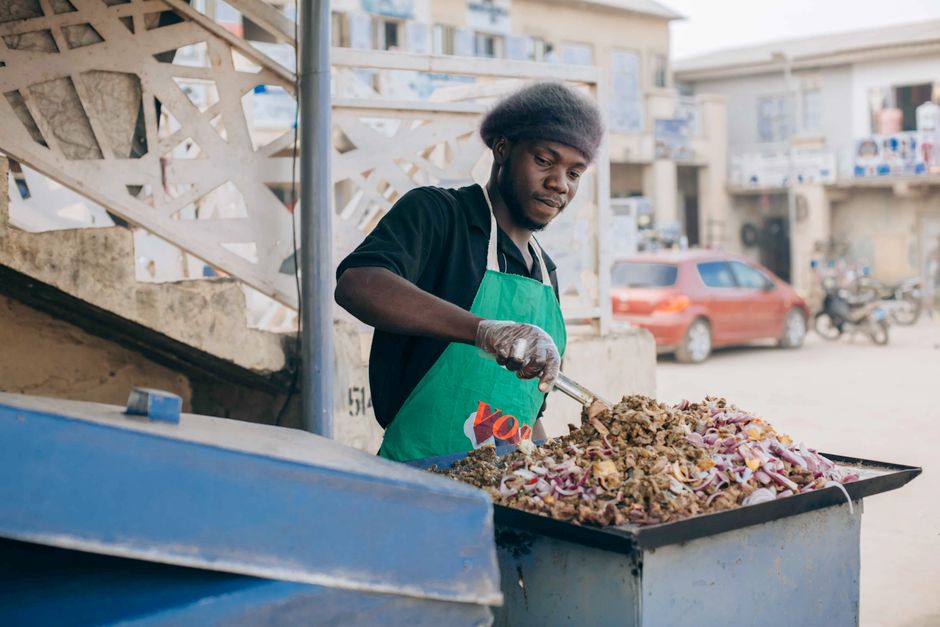
West Africa is a region brimming with vibrant cultures, rich histories, and most notably, a diverse culinary tapestry that engages the senses and tells stories of its people. For Nigerian readers, the flavors of West African cuisine are both a familiar comfort and a gateway to neighboring cultures. From the spicy heat of Ghanaian jollof rice to the hearty Nigerian egusi soup, these dishes not only satisfy the palate but also offer a deeper understanding of the region’s heritage.
In this article, we'll embark on a delicious journey through West Africa, exploring the key ingredients, traditional recipes, and cultural significance of these beloved dishes. Whether you're a seasoned foodie or a curious traveler, understanding the culinary landscape of West Africa offers a unique perspective on the rich cultural mosaic of the continent.
The Staples of West African Cuisine
Rice Dishes: Jollof Rice and Beyond
Jollof rice, a beloved dish across West Africa, especially in Nigeria and Ghana, is known for its vibrant red-orange color and robust flavor. The age-old debate over which country makes the best jollof rice is a testament to its cultural significance. This dish is typically cooked with tomatoes, onions, and a variety of spices, making it a staple at parties and gatherings.
"Jollof rice is more than a meal; it's a symbol of cultural pride and unity across West Africa."
In addition to jollof, rice is served in numerous forms, from fried rice enhanced with local vegetables to rice balls often paired with savory sauces.
Yam and Cassava: Tubers at the Heart of Meals
Yam and cassava are essential components of many West African diets. In Nigeria, yam is celebrated annually with the New Yam Festival, marking the harvest of this vital crop. Dishes like pounded yam and eba (made from cassava) are common pairings with rich, flavorful soups such as egusi or ogbono.
Traditional Soups and Stews
Nigerian Soups: Egusi, Ogbono, and Okra
Nigerian soups are renowned for their bold flavors and thick, hearty textures. Egusi soup, made from ground melon seeds and often cooked with vegetables and meat or fish, is a favorite for its rich, nutty taste. Ogbono soup, with its distinctive slimy texture from the wild mango seeds, is another popular choice.
- Egusi Soup: Nutty and thick, often served with pounded yam or fufu.
- Ogbono Soup: Known for its unique texture, paired with eba or amala.
- Okra Soup: Light, nutritious, and often served with semovita.
Ghanaian Stews: Groundnut and Light Soups
In Ghana, groundnut stew, known for its creamy and spicy flavor, is a staple. Made from peanuts, tomatoes, and spices, it is often accompanied by rice or fufu. Another classic is light soup, a tomato-based broth often enriched with chicken or fish.
Cultural Significance and Social Gatherings
The Role of Food in Celebrations
Food plays a central role in West African celebrations, from weddings and naming ceremonies to religious festivals. Meals are a communal affair, often shared among family and friends, reinforcing social bonds and cultural identity.
"In West Africa, meals are a celebration of community, culture, and tradition."
For many Nigerians, sharing a meal is an expression of hospitality and generosity, reflecting the warm, welcoming nature of the people.
Impact of Food on Social Etiquette
In West Africa, certain etiquettes are observed during meals. For instance, elders are often served first, and it is customary to wash hands before eating, especially when meals are enjoyed communally.
Health Benefits of West African Foods
Nutrition in Traditional Ingredients
West African cuisine is rich in nutrients, thanks to its reliance on fresh, local ingredients. Yam, cassava, and plantains are excellent sources of carbohydrates, while leafy vegetables and spices offer essential vitamins and antioxidants.
Proteins from various meats, fish, and legumes like beans and peanuts contribute to a balanced diet, making West African meals both delicious and nutritious.
Modern Twists on Traditional Dishes
As global interest in healthy eating grows, West African cuisine is being redefined with modern twists. Chefs are experimenting with vegan versions of classic dishes, showcasing the versatility of traditional recipes.
Conclusion
Exploring West African cuisine is like opening a window into the soul of the continent. Each dish tells a story, representing the diverse cultures, traditions, and histories of the people. For Nigerians, these meals are a comforting reminder of home and a symbol of the rich cultural heritage that unites the region.
As you delve into the flavors and traditions of West African cuisine, remember that each bite connects you to a larger story, one that transcends borders and celebrates the shared history of this vibrant region.