Nigeria, a country rich in cultural diversity, is home to a multitude of ethnic groups, each with unique traditions and customs. Among the most notable is the Yoruba, an ethnic group renowned for its vibrant culture, stunning art, and fascinating rituals. As a traveler eager to delve into the heart of Nigeria's cultural heritage, exploring the Yoruba culture offers a remarkable journey through history, spirituality, and artistry.
Whether it’s the colorful festivals that enliven the towns or the intricate art forms that tell stories of old, Yoruba culture remains an essential part of Nigeria’s identity. In this article, we will take you on a deep dive into the soul of Yoruba traditions, offering insights into their captivating world.
Introduction to Yoruba Culture
The Yoruba people predominantly reside in Southwestern Nigeria, with their influence extending into neighboring countries such as Benin and Togo. Known for their dynamic cultural expressions, the Yoruba have significantly contributed to Nigeria’s cultural tapestry.
Historical Background
Yoruba history is as rich as it is complex, with roots stretching back to the ancient city of Ile-Ife, considered the birthplace of the Yoruba people. According to tradition, Ile-Ife is where the gods descended to create mankind.
The Yoruba empire expanded over centuries, with kingdoms like Oyo and Ife playing pivotal roles in shaping the socio-political landscape of West Africa. This history is vividly reflected in their contemporary cultural practices.
Language and Literature
The Yoruba language is spoken by millions in Nigeria and beyond. It is a tonal language, rich in proverbs and storytelling, which plays a crucial role in preserving their heritage.
Yoruba literature, both oral and written, is a treasure trove of folklore, poetry, and wisdom. Figures like Wole Soyinka, a Nobel laureate, have brought international attention to Yoruba literature, showcasing its depth and diversity.
Traditional Festivals
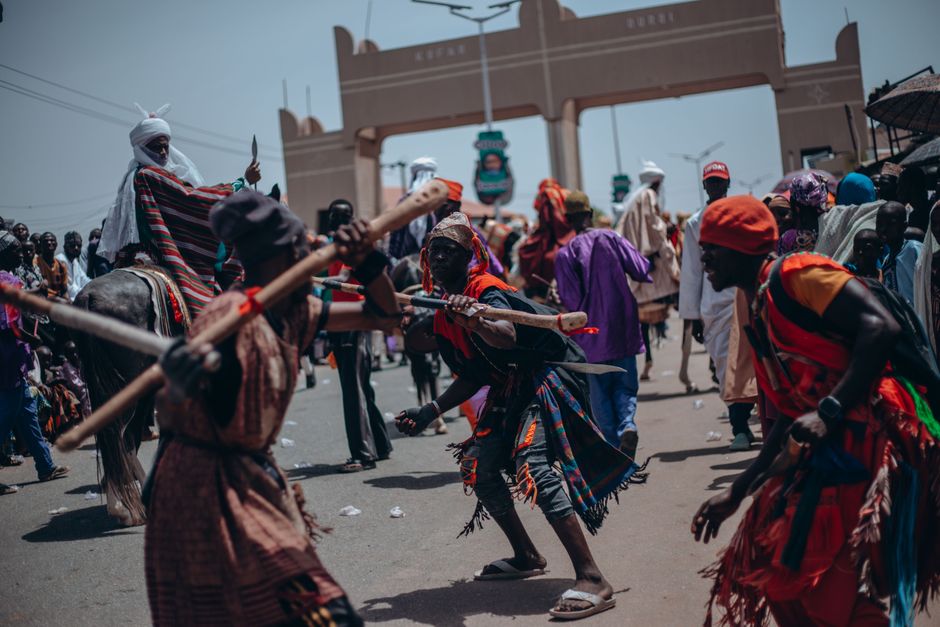
Yoruba festivals are colorful, vibrant, and deeply spiritual. They serve as a means to honor deities, celebrate harvests, or remember ancestors, each with its unique flair.
Eyo Festival
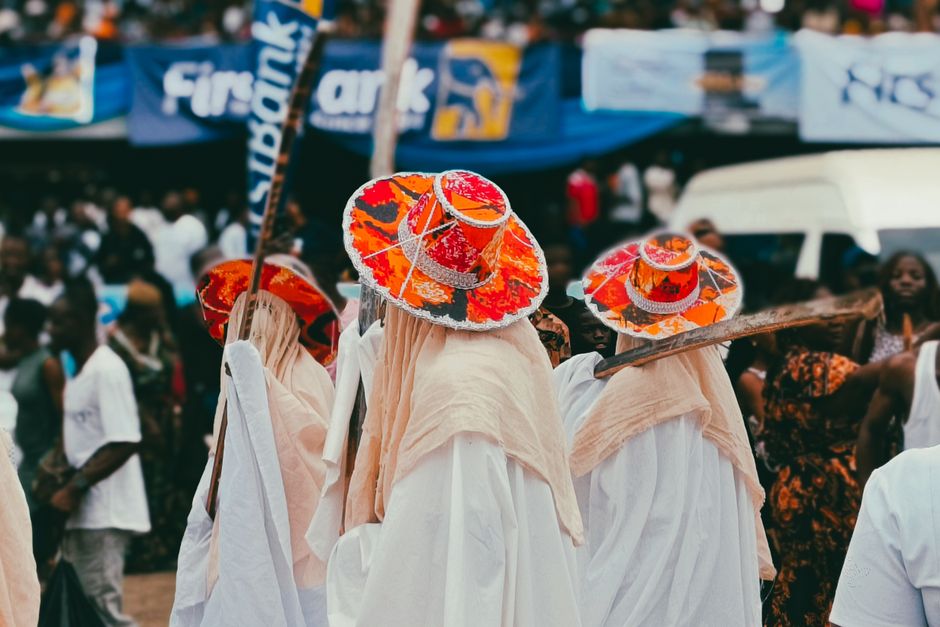
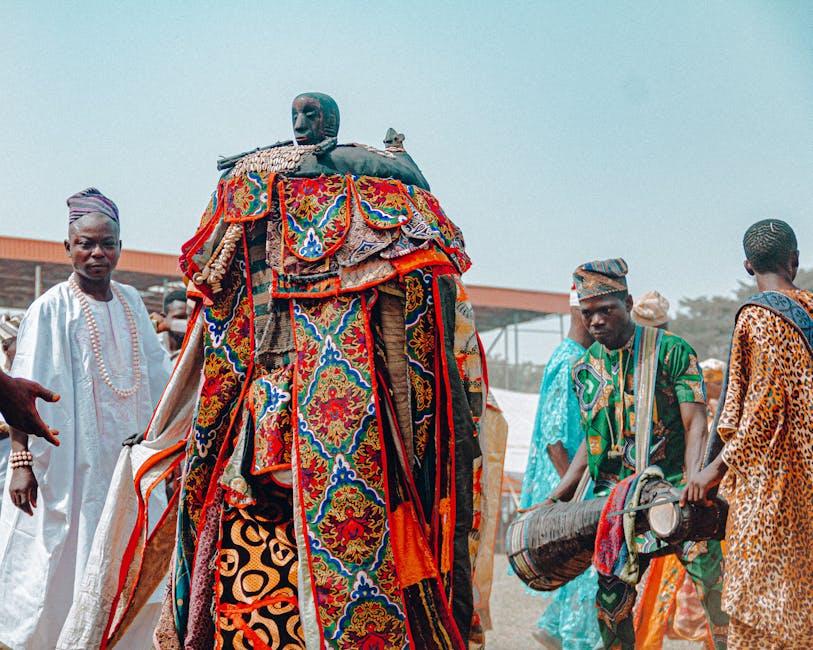
The Eyo Festival, held in Lagos, is a spectacular event featuring costumed dancers known as the Eyo masquerades. These dancers parade through the streets, enacting rituals steeped in tradition.
The Eyo Festival is not only a cultural display but a means of preserving the historical and spiritual essence of the Yoruba people.
Osun-Osogbo Festival
Held annually in August, the Osun-Osogbo Festival is a two-week celebration in honor of the river goddess Osun. The festival attracts devotees and tourists alike, offering a glimpse into Yoruba spirituality.
- Rituals at the sacred Osun Grove
- Processions led by the Arugba (calabash bearer)
- Traditional music and dance performances
Yoruba Art and Craft
The artistry of the Yoruba people is world-renowned, with each piece reflecting a blend of creativity, history, and spirituality.
Sculpture and Carving
Yoruba woodcarving is a highly regarded art form, often depicting deities, ancestors, and everyday scenes. These sculptures are not just decorative but hold significant religious and cultural meanings.
Textiles and Clothing
Adire, a traditional Yoruba dyeing technique, is a testament to their artistic prowess. The intricate patterns and vibrant colors of Yoruba textiles are celebrated in both local and international fashion circles.
Adire fabric, once a local craft, has gained global recognition, symbolizing Nigeria's rich artisan tradition.
Yoruba Cuisine
Nigerian cuisine is diverse and flavorful, with Yoruba dishes standing out for their bold tastes and use of traditional ingredients.
Popular Dishes
- Amala and Ewedu: A beloved staple made from yam or plantain flour served with a slimy soup called Ewedu.
- Ofada Rice and Ayamase Sauce: Local rice paired with a spicy green pepper sauce, a favorite at parties.
- Jollof Rice: A must-have at every celebration, showcasing the harmonious blend of tomatoes, peppers, and spices.
Market Scenes
The bustling markets of Lagos and Ibadan offer a sensory explosion of sights, sounds, and smells, where vendors sell everything from fresh produce to handcrafted goods.
Exploring Yoruba markets offers an authentic taste of Nigerian life, where bargaining is an art form and every purchase tells a story.
Final Thoughts
Diving into Yoruba culture provides an enriching experience for any traveler exploring Nigeria. Whether it's attending a traditional festival, indulging in local cuisine, or admiring exquisite art, Yoruba traditions offer profound insights into the region's history and cultural identity.
As Nigeria continues to evolve, the preservation and celebration of Yoruba culture remain crucial in maintaining the nation's diverse heritage. So, the next time you plan a trip to Nigeria, make sure to immerse yourself in the vibrant world of the Yoruba people.