West Africa is a treasure trove of diverse cultures, fascinating traditions, and vibrant communities. With over 16 countries, each offering its own slice of uniqueness, it serves as a melting pot of languages, arts, and beliefs. For Nigerian readers, this region is not just a neighboring territory but a canvas of shared heritage and cultural interplay. Dive with us into the rich tapestry of West African culture, where the rhythm of drums and the aroma of spicy jollof rice will captivate your senses.
Imagine walking through the bustling markets of Accra, where the vibrant colors of Kente cloth meet the soulful sounds of highlife music. Or picture yourself at a traditional wedding in Bamako, witnessing a dance ritual that communicates stories passed down through generations. The cultural wealth here is endless, and for Nigerians, it's like discovering a distant cousin who shares your love for spicy pepper soup and the lively beats of Afrobeat music.
Join us as we explore the heart and soul of West Africa, peeling back the layers of its fascinating cultures, from the ancient empires of Mali to the modern cities of Lagos and Abidjan. Whether you're planning a trip or simply want to understand more about this dynamic region, our journey through West Africa will be both enlightening and enriching.
The Rhythmic Pulse of West African Music
A Melting Pot of Sounds
West African music is a symphony of sounds that reflects the region's complex history and vibrant present. It's a place where traditional and contemporary music blend seamlessly to create something truly unique.
The roots of many musical genres, including Afrobeat and Highlife, can be traced back to this region. Legendary musicians like Fela Kuti from Nigeria and Salif Keita from Mali have left an indelible mark on the world stage.
- Afrobeat: Originating in Nigeria, this genre combines traditional Yoruba music with jazz, funk, and highlife.
- Highlife: Known for its jazzy horns and multiple guitars, this genre has Ghanaian roots and is popular across West Africa.
- Mbalax: A popular Senegalese style that fuses traditional Wolof rhythms with jazz, Latin, and funk music.
"Music is the weapon of the future." - Fela Kuti
Traditional Drumming and Dance
Drumming plays a pivotal role in West African music, often used in rituals and celebrations. The djembe and talking drum are iconic instruments that provide the backbone for traditional dance forms.
Dance is not just entertainment; it's a form of communication and expression. From the energetic movements of the Wolof sabar to the intricate steps of the Yoruba bata, dance is integral to the cultural fabric.
Culinary Delights: A Taste of West Africa
The Allure of Jollof Rice
No discussion about West African cuisine is complete without mentioning jollof rice. This beloved dish, a staple at Nigerian parties, is a source of pride and debate, especially between Nigerians and Ghanaians.
With its rich tomato base and spicy kick, jollof rice is a comfort food that brings people together. Whether you prefer it with chicken, beef, or seafood, the recipe varies from household to household, but the essence remains the same.
Savoring Suya and Other Street Foods
Suya, a spicy skewered meat popular in Nigeria and beyond, is the ultimate street food experience. The tantalizing aroma of grilled meat with a spicy peanut sauce is irresistible.
Other street foods worth trying include akara (fried bean cakes), puff-puff (sweet fried dough balls), and kelewele (spicy fried plantains).
- Grilled Fish: Often served with spicy sauces and sides like plantains or yams.
- Bambara Beans: A popular street snack in Mali, made with cooked beans seasoned with spices.
- Maafe: A peanut-based stew often served with rice, popular across the region.
Traditional Attire and Fashion
The Significance of Kente Cloth
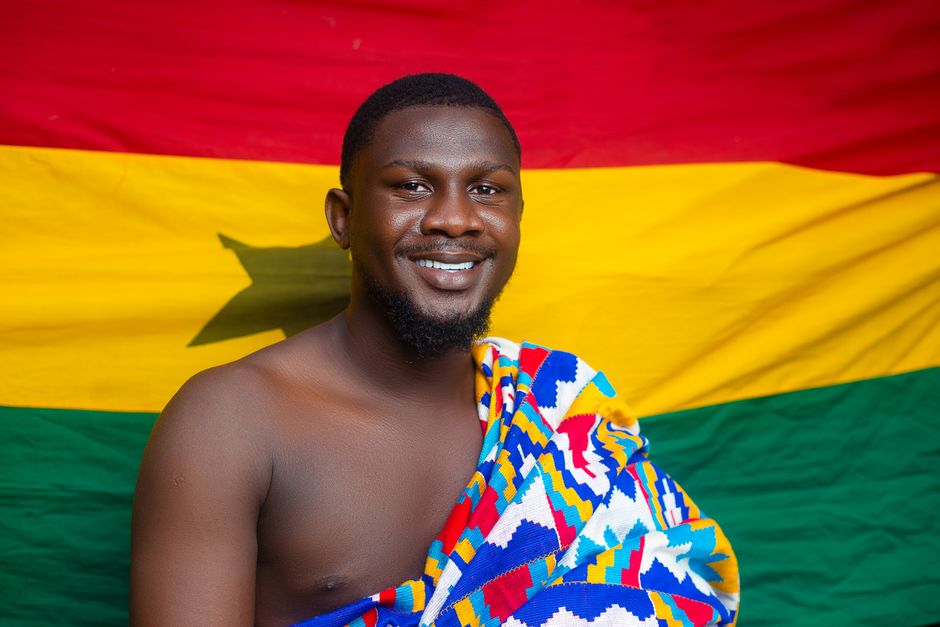
Kente cloth, with its vibrant colors and intricate patterns, is more than just fabric; it's a symbol of identity and heritage. Originating from the Ashanti and Ewe people of Ghana, it's often worn during special occasions and ceremonies.
Each pattern and color combination has specific meanings, often representing proverbs, historical events, or important values.
Modern Fashion Influences
West African fashion is making waves on the global scene, with designers drawing inspiration from traditional attire to create contemporary designs.
From the runways of Lagos Fashion Week to the streets of Dakar, fashion is a dynamic expression of culture and creativity.
- Dashiki: A colorful garment worn by both men and women, often adorned with intricate embroidery.
- Ankara: A type of brightly colored, patterned fabric used in various clothing styles.
- Agbada: A flowing robe worn on special occasions, especially by men in Nigeria.
Festivals and Celebrations
The Durbar Festival
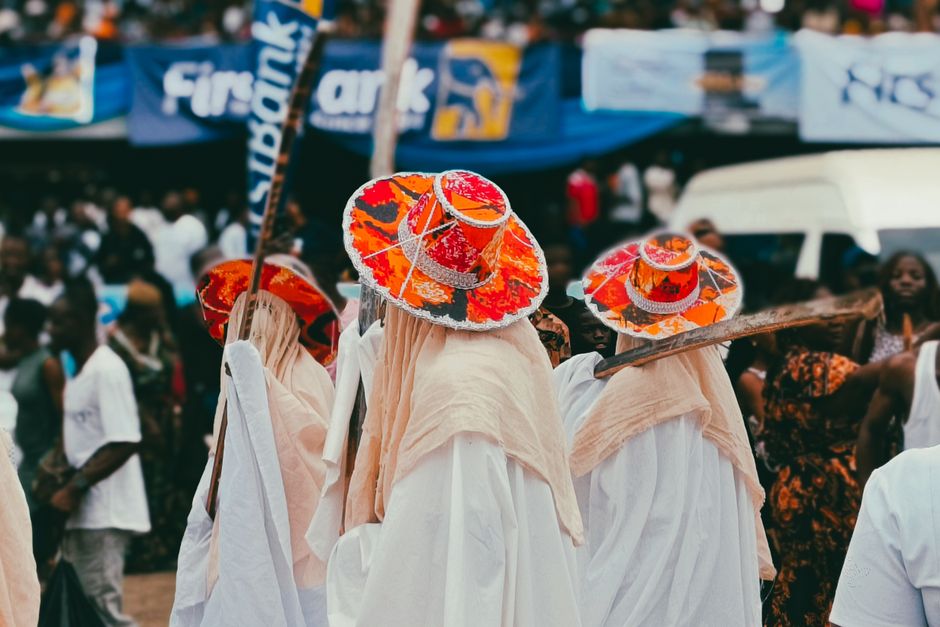
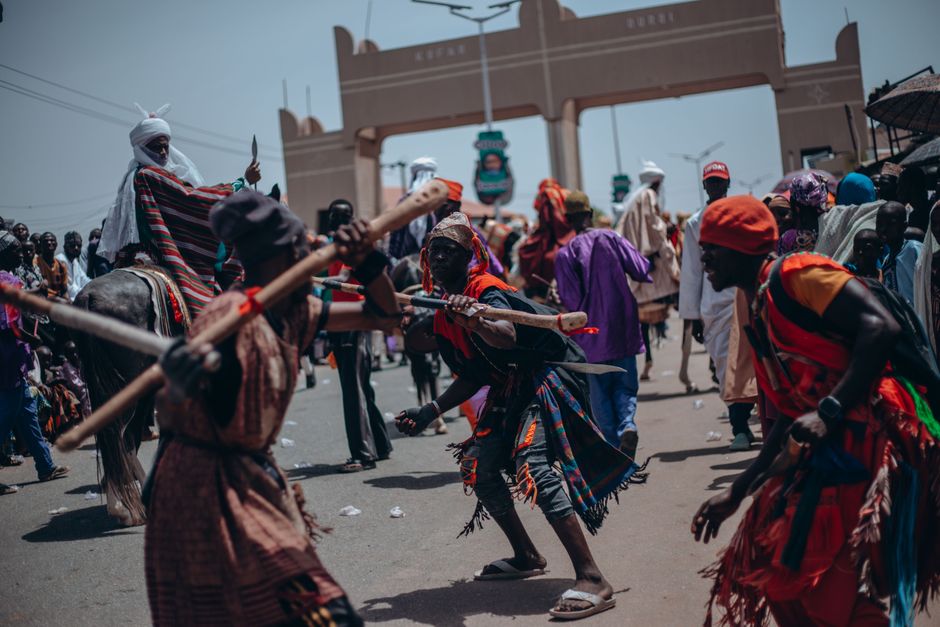
The Durbar Festival in Nigeria is a vibrant celebration marking the end of Ramadan. It's a grand event featuring horse parades, traditional music, and dancing.
Held in various cities, including Kano and Zaria, it showcases the rich cultural heritage and pageantry of the Hausa-Fulani people.
Ouidah Voodoo Festival
In Benin, the Ouidah Voodoo Festival is an annual event celebrating the country's traditional religion. It's a fascinating display of rituals, music, and dance, drawing visitors from around the world.
This festival offers a unique insight into the spiritual practices that have shaped the region's cultural identity.
"Festivals are the heartbeats of culture, bringing communities together through shared experiences."
Conclusion
West Africa, with its rich cultural tapestry, offers an immersive experience that goes beyond the ordinary. Whether you're grooving to the infectious beats of Afrobeat, savoring a plate of spicy jollof rice, or donning a colorful Kente cloth, the region never ceases to amaze. For Nigerians, exploring this vibrant part of the continent feels like a journey of discovery and reconnection with one's roots. So, take a step into West Africa's world of wonder, where every moment is a celebration of life, art, and heritage.