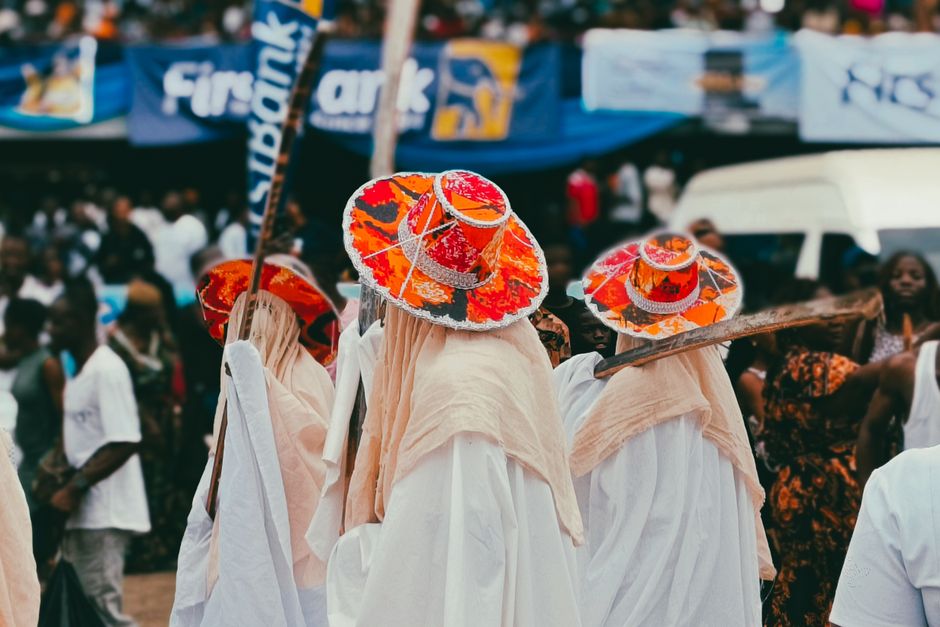
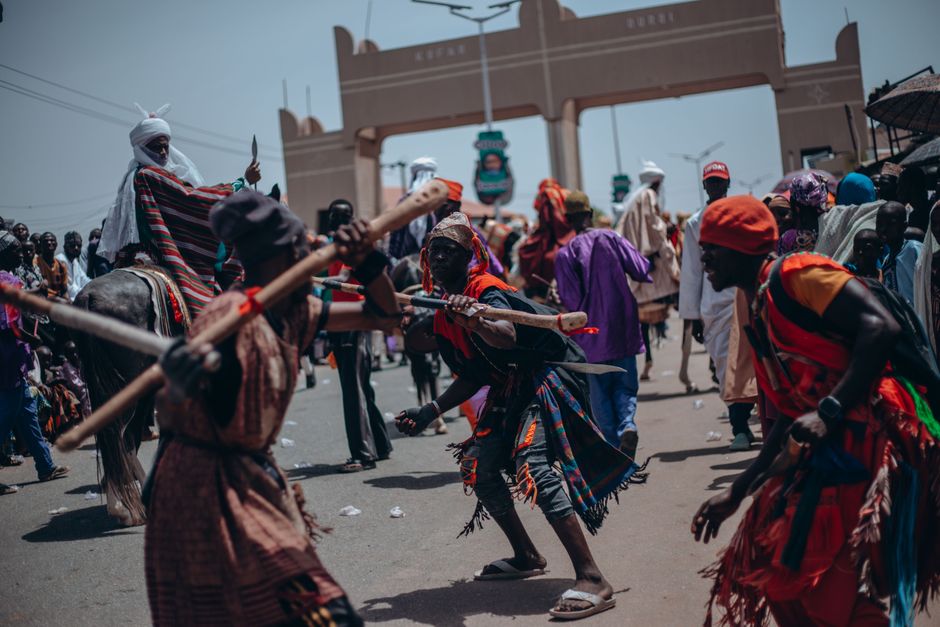
Nigeria, often referred to as the 'Giant of Africa,' is a country that stands out with its diverse and vibrant culture. From the bustling streets of Lagos to the serene landscapes of Calabar, Nigerian culture is as diverse as its people. Bursting with energy, color, and rhythm, the cultural tapestry of Nigeria is woven with threads of history, tradition, and modernity. For a Nigerian reader or any curious traveler, diving into this rich heritage offers not just a travel adventure but a deeper understanding of the intricate social fabric that binds this nation together.
As you embark on this cultural journey, let’s explore the customs, traditions, and culinary delights that make Nigeria uniquely captivating. Whether you're planning a visit or simply looking to enrich your knowledge from afar, this guide is your gateway to understanding Nigeria’s cultural heartbeat.
Nigerian Traditional Customs and Practices
Nigerian customs are as varied as its numerous ethnic groups, each offering a unique perspective on life, community, and spirituality. These customs define social interactions and reinforce communal bonds.
Yoruba Naming Ceremonies
In Yoruba culture, the naming ceremony, known as 'Isomoloruko,' is a significant event. Held on the eighth day after a child's birth, it is a festive occasion that brings families together.
- The ceremony involves prayers for the child's future.
- Various symbolic items like honey and kola nuts are used.
- Names are chosen based on circumstances surrounding the birth.
The Yoruba believe that a name has a profound spiritual influence on a child's destiny.
Igbo New Yam Festival
The 'Iri Ji' or New Yam Festival is one of the most celebrated Igbo festivals, marking the end of the farming season and the beginning of a new cycle.
- Yams, a staple crop, are central to the celebrations.
- The event includes music, dance, and masquerades.
- It symbolizes thanksgiving to the gods for a bountiful harvest.
This festival is not only a time to enjoy the company of loved ones but also to celebrate life and productivity.
Nigerian Music and Dance
Music and dance are integral to Nigerian culture, serving as a form of expression and communication. With a rich heritage that has influenced global music, Nigerian rhythms are recognized worldwide.
Afrobeat and Its Global Influence
Afrobeat, pioneered by the legendary Fela Kuti, is a fusion of traditional African music with jazz, funk, and highlife.
- Known for its heavy beats and complex rhythms.
- Lyrics often address social and political issues.
- Artists like Burna Boy and Wizkid have brought Afrobeat to international stages.
"Music is the weapon of the future." - Fela Kuti
Traditional Dance Styles
Nigeria boasts a wide array of traditional dances, each unique to its ethnic groups.
- The 'Bata Dance' of the Yoruba is a swift and energetic dance.
- The Igbo 'Atilogwu Dance' is acrobatic and lively.
- The 'Sango Dance' dramatizes the mythical powers of Sango, the Yoruba deity.
These dances are not only a form of entertainment but also a way to pass down stories and traditions through generations.
Nigerian Cuisine: A Culinary Adventure
Nigerian cuisine is a delightful mix of flavors and spices, reflecting the country’s diverse cultural influences. Each meal tells a story of tradition and innovation.
Popular Dishes
- Jollof Rice: A party favorite across West Africa, known for its rich, spicy flavor.
- Pounded Yam and Egusi Soup: A staple in many Nigerian households.
- Suya: Spicy meat skewer, a popular street food.
These dishes offer a taste of Nigeria’s culinary heritage, combining indigenous ingredients with creative cooking techniques.
Street Food Culture
Nigeria’s street food scene is vibrant and offers a quick, affordable taste of local flavors.
- Akara: Deep-fried bean cakes, often eaten as a breakfast snack.
- Moin Moin: A savory pudding made from blended beans.
- Okpa: A protein-rich snack made from Bambara groundnuts.
Street vendors, known for their culinary skills, add a unique flair to these traditional delights.
Art and Craft in Nigerian Culture
Nigeria’s art scene is as colorful as its culture, with artists drawing inspiration from tradition and contemporary influences.
Traditional Crafts
Nigerian artisans are known for their skill in crafting beautiful pieces that reflect cultural narratives and beliefs.
- Aso Oke Weaving: A traditional Yoruba textile.
- Nok Terracotta Sculptures: Ancient artifacts from the Nok civilization.
- Benin Bronzes: Masterpieces of metalwork that tell the history of the Benin Empire.
These crafts are more than decorative; they are a testament to Nigeria’s rich artistic heritage.
Contemporary Nigerian Art
The contemporary art scene in Nigeria is growing, with artists gaining global recognition.
- Artists like El Anatsui and Njideka Akunyili Crosby are celebrated worldwide.
- The Lagos Art Scene hosts numerous exhibitions and festivals.
- Art serves as a medium for social commentary and cultural reflection.
Nigeria’s vibrant art scene continues to evolve, blending tradition with modernity.
Conclusion
Nigeria's cultural richness is a mosaic of traditions, music, dance, cuisine, and art, offering a dynamic and immersive experience for anyone eager to explore. Whether it's the rhythm of an Afrobeat song, the taste of Jollof rice, or the intricate designs of Aso Oke, every aspect of Nigerian culture tells a story of resilience, creativity, and unity. For Nigerian readers and travelers alike, understanding and embracing this vibrant culture is an invitation to celebrate the diversity that defines Nigeria.
As you delve deeper into Nigeria’s cultural landscape, remember that every interaction, every meal, and every song is an opportunity to connect with the spirit of this remarkable nation. So, whether you're planning a visit or simply exploring from home, let Nigeria's cultural richness inspire and captivate you.