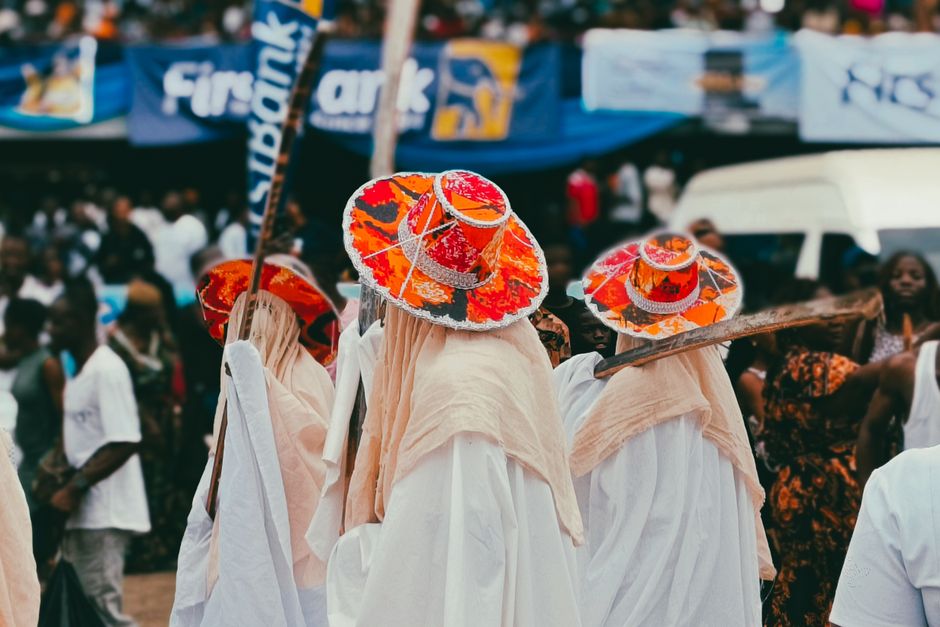
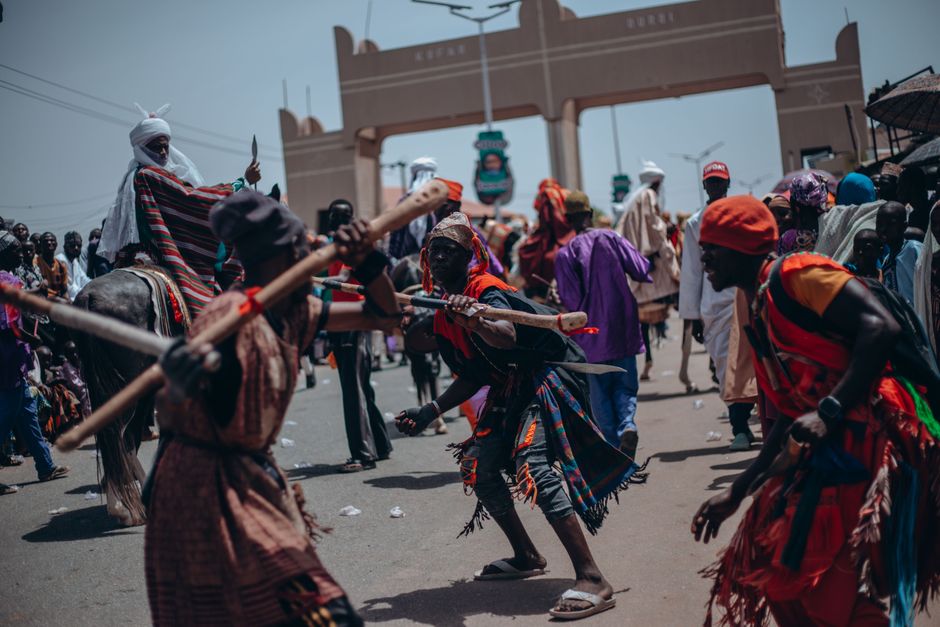
Welcome to the enchanting world of East Africa, a region renowned for its rich cultural diversity and vibrant traditions that captivate the hearts of travelers. From the colorful Maasai tribes to the Swahili coast's intricate history, East Africa offers a cultural experience unlike any other. For Nigerian readers seeking to broaden their horizons and delve into new cultural realms, this guide serves as a perfect starting point.
East Africa's cultural landscape is as diverse as its geography, offering a mosaic of languages, traditions, and histories. Whether you're planning a trip to Kenya's bustling cities or Tanzania's serene landscapes, understanding the cultural nuances will enrich your travel experience and foster deeper connections with the people you meet.
Join us as we embark on a journey through East Africa's cultural tapestry, exploring the unique customs, languages, and traditions that define this vibrant region. From traditional music and dance to culinary delights that tantalize the senses, East Africa invites you to immerse yourself in its rich heritage.
The Diverse Ethnic Groups of East Africa
East Africa is home to a myriad of ethnic groups, each with its own unique cultural identity. The region's cultural diversity is reflected in the languages spoken, traditional practices, and societal structures.
The Maasai People
The Maasai, known for their distinctive dress and vibrant culture, are among the most famous ethnic groups in East Africa. Predominantly found in Kenya and Tanzania, the Maasai have managed to maintain their traditional way of life despite the pressures of modernization.
Their society is structured around age sets and is deeply rooted in pastoralism, with cattle playing a central role in their culture. Visitors to Maasai communities can witness traditional rituals, such as the coming-of-age ceremony known as 'Eunoto', and experience their rich oral storytelling tradition.
The Swahili Coast
The Swahili Coast, stretching from Somalia to Mozambique, is a melting pot of cultures due to its historical trade connections with the Middle East and Asia. The Swahili people have a rich maritime history, and their cultural practices are a blend of African, Arab, and Persian influences.
Swahili architecture, characterized by intricate carved doors and coral stone buildings, is a testament to the region's historical significance. The Swahili language, a lingua franca in East Africa, further exemplifies this cultural fusion.
Languages of East Africa
With over a hundred languages spoken, East Africa is a linguistic tapestry that reflects its ethnic diversity. The region's languages are part of broader African language families, offering a fascinating landscape for linguists and travelers alike.
Swahili: The Lingua Franca
Swahili, or Kiswahili, is the most widely spoken language in East Africa, serving as a common language across several countries. It is an official language in Kenya, Tanzania, and Uganda, and is used extensively in trade and communication.
"Learning a few Swahili phrases can greatly enhance your travel experience and help you connect with locals on a more personal level."
Swahili is a Bantu language infused with Arabic, and its simplicity and rhythmic nature make it accessible for beginners. Common phrases like 'Jambo' (Hello) and 'Asante' (Thank you) can open doors to warm interactions with East Africans.
Indigenous Languages
In addition to Swahili, numerous indigenous languages are spoken across East Africa, each offering insights into the region's rich cultural heritage. For instance, the Luo language in Kenya and Uganda, and the Meru language in Tanzania, are integral to the communities that speak them.
Engaging with these languages, even at a basic level, can provide a deeper understanding of the cultural contexts and traditions of the people.
Traditional Music and Dance
Music and dance are integral to East African culture, serving as expressions of cultural identity and communal storytelling. Each ethnic group boasts a unique musical style that reflects its history, beliefs, and way of life.
The Rhythms of Kenya
Kenya's musical landscape is as diverse as its people, with genres ranging from traditional folk music to contemporary styles like Benga and Gengetone. The Luo people are known for 'Ohangla', a fast-paced drumming style often accompanied by energetic dance.
Visitors can experience live performances at cultural festivals, where traditional dances like 'Mugithi' and 'Isukuti' showcase the vibrant spirit of Kenyan communities.
Tanzania's Musical Heritage
Tanzania is renowned for 'Taarab', a musical genre that merges African, Arab, and Indian influences. Originating from the coastal areas, Taarab is characterized by the use of traditional instruments like the Oud and Qanun.
Music lovers can explore the annual Sauti za Busara festival in Zanzibar, which celebrates East African music and brings together artists from across the region.
Culinary Delights of East Africa
East African cuisine is a delightful fusion of indigenous flavors and influences from the Indian Ocean trade. The region's culinary offerings are as diverse as its cultures, with each country boasting unique dishes that reflect its agricultural practices and history.
Kenyan Cuisine
Kenyan cuisine is a rich tapestry of flavors, with staples like 'Ugali' (a maize-based dish) and 'Nyama Choma' (grilled meat) taking center stage. The coastal regions offer a taste of Swahili dishes, such as 'Pilau' and 'Samosas', with their distinct spices and ingredients.
"When in Kenya, don't miss the opportunity to try 'Chapati', a delicious flatbread that complements many traditional dishes."
Street food is also an integral part of Kenyan culinary culture, with 'Mandazi' (sweet fried bread) and 'Mutura' (grilled sausage) being popular snacks.
Tanzanian Flavors
Tanzanian cuisine is diverse and influenced by its ethnic groups and geographical regions. 'Ugali' and 'Nyama Choma' are also staples, but the coastal areas offer a taste of unique dishes like 'Zanzibar Pizza' and 'Coconut Crab Curry'.
The island of Zanzibar is famous for its spice tours, where visitors can learn about the region's rich spice trade history and sample exotic spices that flavor local dishes.
Conclusion
East Africa's rich cultural tapestry offers a wealth of experiences for those eager to explore its diverse traditions and customs. From the vibrant Maasai tribes to the rhythmic beats of Taarab music, the region's cultural offerings are as varied as its landscapes.
For Nigerian travelers seeking to immerse themselves in new cultural experiences, East Africa provides an unparalleled opportunity to connect with the continent's rich heritage and its people. Embrace the journey, learn a few Swahili phrases, and savor the culinary delights that await you in this captivating region.