Nigeria, a vibrant mosaic of cultures and traditions, stands as a testament to Africa's rich history and diversity. This West African powerhouse is home to over 250 ethnic groups, each contributing to a cultural tapestry that is as diverse as it is colorful. From the rhythmic beats of traditional music to the elaborate rituals of various ethnic festivals, Nigerian culture is an experience like no other. Whether you're a local looking to reconnect with your roots or a curious traveler eager to explore, Nigeria offers a cultural journey that is both enlightening and exhilarating.
Before diving into the intricacies of Nigerian culture, it's essential to appreciate the country's unique position as Africa's most populous nation. With a population exceeding 200 million, Nigeria's cultural landscape is influenced by history, geography, and the interactions of its diverse peoples. From the Yoruba of the southwest to the Igbo of the southeast, and the Hausa-Fulani of the north, each group adds its distinct flavor to the Nigerian cultural pot.
The heartbeat of this cultural diversity can be found in Nigeria's bustling cities, its vibrant markets, and its festive celebrations that bring communities together in a joyful embrace of their heritage. Join us as we delve into the rich heritage of Nigerian culture, a journey that promises to be as enlightening as it is inspiring.
Traditional Music and Dance
The Rhythms of Nigeria
Nigeria's music scene is legendary, with genres that have gained international acclaim. From Afrobeat, popularized by the iconic Fela Kuti, to the soulful Highlife music, Nigerian sounds are as diverse as its people. Music is not just entertainment in Nigeria; it is a form of communication, a way to tell stories, and a means to preserve history.
Dance as a Cultural Expression
Dance in Nigeria is a powerful cultural expression, deeply ingrained in the daily lives of its people. Dance styles vary significantly across regions, with each ethnic group showcasing unique moves and rhythms. The Atilogwu dance of the Igbo, with its energetic acrobatics, and the Bata dance of the Yoruba, known for its intricate footwork, are just a few examples.
- Bata Dance: Originating from the Yoruba people, it involves drummers who play the Bata drum, symbolizing communication between humans and the divine.
- Atilogwu Dance: This Igbo dance is a high-energy performance often used to tell stories and celebrate important events.
Festivals and Celebrations
The Diversity of Nigerian Festivals
Nigerian festivals are a vibrant celebration of cultural identity and community spirit. These festivals, often tied to religious or historical events, provide an opportunity for communities to come together and celebrate their shared heritage.
Major Cultural Festivals
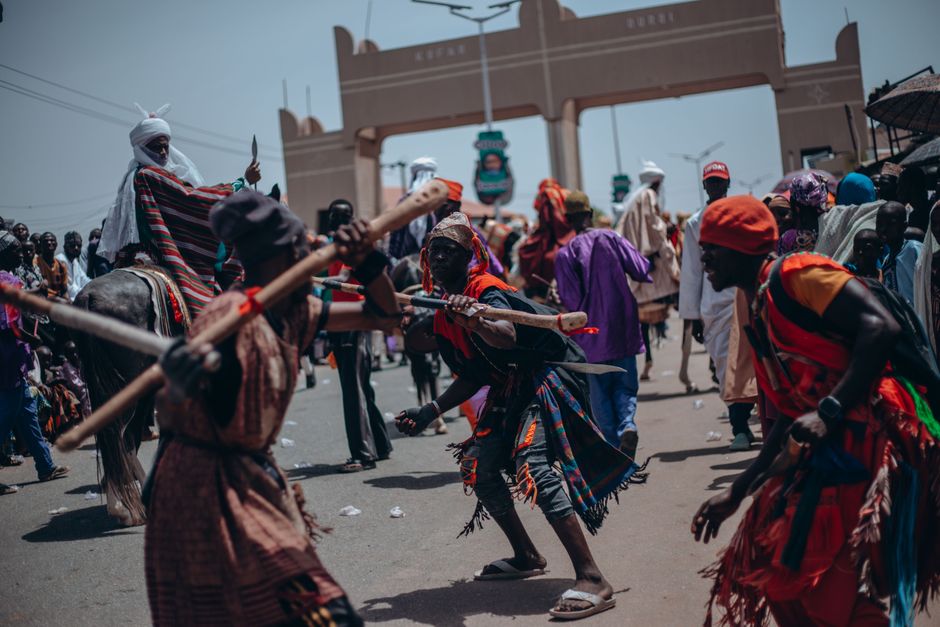
- Argungu Fishing Festival: Held in the northwestern state of Kebbi, this festival is a unique blend of fishing, music, and food, attracting tourists from around the world.
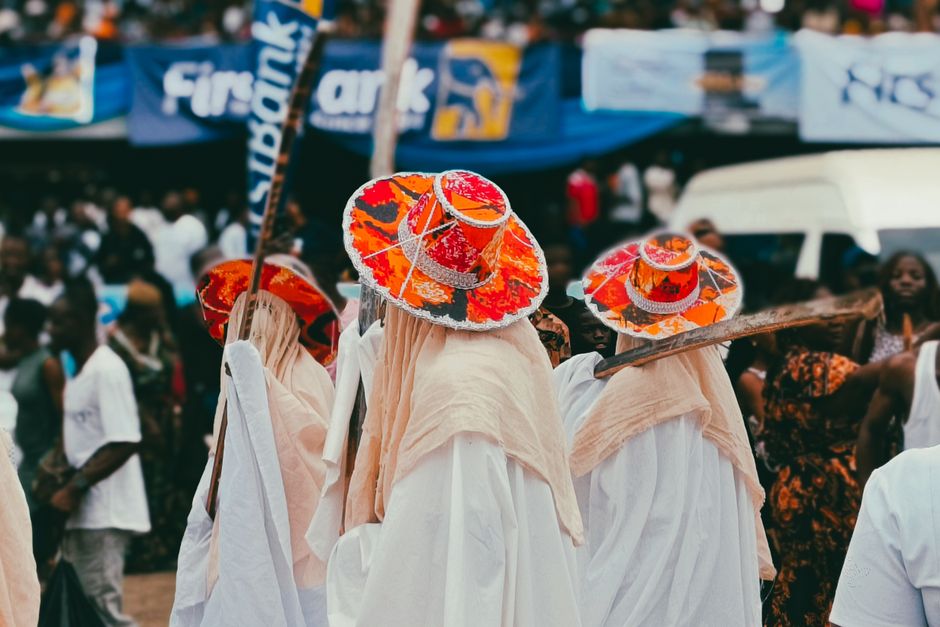
- Eyo Festival: A colorful procession held on Lagos Island, featuring participants dressed in white regalia and masks. It is a celebration linked to the Yoruba traditions.
- New Yam Festival: Celebrated by the Igbo people, this festival marks the beginning of the harvest season, honoring the earth goddess and ancestors.
The Art of Nigerian Cuisine
Nigerian Food: A Culinary Adventure
Nigerian cuisine is a delectable adventure that mirrors its cultural diversity. Each region boasts unique flavors, ingredients, and cooking styles, making Nigerian food a rich tapestry of tastes and textures.
Signature Dishes
- Jollof Rice: A staple in Nigerian cuisine, this spicy rice dish is a favorite at parties and gatherings, often served with fried plantains and grilled chicken.
- Pounded Yam and Egusi Soup: A traditional Yoruba dish, it consists of mashed yam served with a thick, savory melon seed soup.
- Suya: Popular street food consisting of spicy grilled meat skewers, often enjoyed with onions and tomatoes.
The rich flavors of Nigerian cuisine are not just about satisfying the palate but are a celebration of life, community, and heritage.
Nigerian Languages and Communication
A Linguistic Landscape
Nigeria is a linguistic treasure trove, with over 500 languages spoken across the country. This diversity presents both a challenge and an opportunity for cultural exchange and understanding.
Major Languages
- Hausa: Widely spoken in northern Nigeria and serves as a lingua franca across West Africa.
- Yoruba: Dominant in southwestern Nigeria, it has a rich oral tradition of proverbs and folklore.
- Igbo: The primary language of southeastern Nigeria, known for its tonal quality and complexity.
Despite the linguistic diversity, English serves as the official language, facilitating communication across different ethnic groups and regions.
Nigerian Fashion and Style
The Evolution of Nigerian Fashion
Nigerian fashion is a vibrant expression of identity and creativity, drawing inspiration from traditional attire while embracing modern trends. From the elaborate designs of traditional agbada and buba to contemporary fashion shows, Nigeria is a global trendsetter.
Traditional Attire
Traditional Nigerian clothing is characterized by bright colors, intricate patterns, and unique styles. Fashion is not just about appearance; it's a statement of cultural pride and social status.
- Agbada: A flowing wide-sleeved robe worn by men, often associated with prestige and authority.
- Gele: A traditional headwrap for women, often worn during celebrations and ceremonies.
- Ankara: A vibrant, patterned fabric used in various styles of clothing, symbolizing African identity worldwide.
Nigerian fashion celebrates individuality, cultural heritage, and the dynamic interplay between tradition and modernity.
Conclusion
Nigerian culture is a testament to the enduring spirit and creativity of its people. It is a rich tapestry woven from the diverse threads of its ethnic groups, each contributing to the country's vibrant identity. Whether through music, dance, festivals, food, language, or fashion, Nigerian culture offers a profound and joyous journey into the heart of Africa. For those looking to explore this cultural richness, Nigeria promises an unforgettable experience filled with warmth, color, and life.