When you think of Nigeria, a myriad of vibrant cultures come to mind. Among the most prominent is the Yoruba culture, one of the largest ethnic groups in Africa. This culture is not just defined by its traditions but also by its historical significance and contributions to art, religion, and social structure. Understanding the Yoruba culture offers a deeper insight into Nigeria's diversity and richness.
In this article, we'll dive deep into the heart of Yoruba culture, exploring its traditions, language, and heritage. Whether you're planning a visit to Nigeria or are simply curious about African cultures, this guide will serve as your window to the captivating world of the Yoruba people.
The Roots of Yoruba Culture
The Yoruba people are indigenous to Nigeria, primarily residing in the southwestern region. Their ancestry can be traced back to Oduduwa, who is considered the progenitor of the Yoruba dynasty. Historically, the Yoruba were known for establishing several powerful city-states and kingdoms, such as Ife, Oyo, and Lagos.
Yoruba Language and Communication
The Yoruba language is a tonal language, which means the pitch used can change the meaning of words. It's not just a means of communication but an integral part of their identity. The language comprises various dialects, each with its unique accent and vocabulary, yet they all share a common understanding and cultural connection.
- Tonal Nature: Mastering the tones is essential to understanding and speaking Yoruba. It has three primary tones: high, mid, and low.
- Writing System: Yoruba uses the Latin alphabet, making it accessible to those familiar with English script.
- Proverbs and Wisdom: Yoruba proverbs are renowned for their wisdom and are often used in conversations to convey deeper meanings.
Traditional Yoruba Festivals
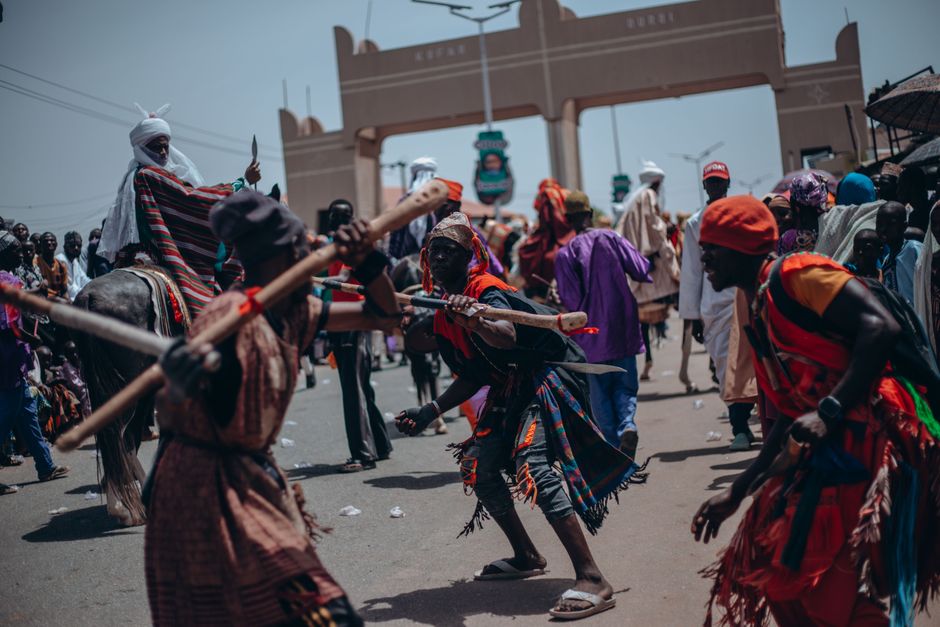
Yoruba festivals are vibrant, colorful, and steeped in tradition. They serve as a platform for celebrating their rich heritage and bring communities together in unity and celebration.
Osun-Osogbo Festival
Held annually in Osogbo, this festival is in honor of the goddess Osun. It's a UNESCO-recognized cultural event that attracts thousands of visitors each year. Participants engage in various rites, dances, and rituals, all centered around the worship of Osun, the goddess of fertility and water.
"The Osun-Osogbo Festival is a testament to the enduring faith and cultural richness of the Yoruba people."
Eyo Festival
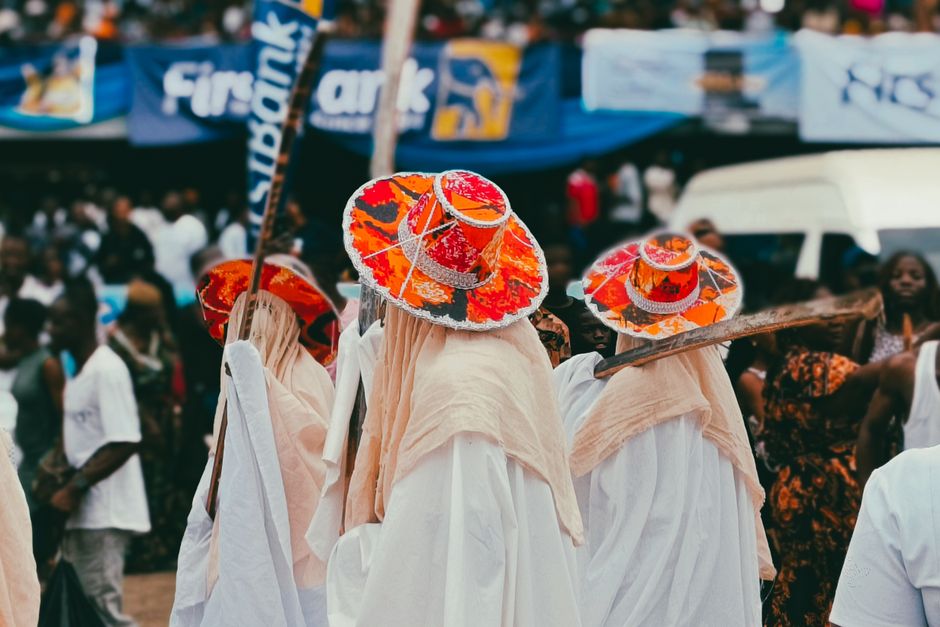
Taking place in Lagos, the Eyo Festival is a spectacular parade featuring costumed performers known as 'Eyo'. This festival is celebrated to honor the passing of a distinguished individual or to commemorate an important event in Lagos.
"The Eyo Festival transforms the streets of Lagos into a sea of white, echoing the harmonious blend of tradition and modernity."
Yoruba Art and Craft
The Yoruba are renowned for their artistic expression, which is evident in their sculptures, textiles, and beadwork. These art forms are not only visual delights but also convey stories of the past and the philosophy of the Yoruba people.
Sculpture
Yoruba sculptures are primarily made of wood, terracotta, and bronze. These art pieces often depict deities, ancestors, and important figures, serving as spiritual and cultural symbols.
Textiles and Beadwork
Adire, the traditional tie-dye cloth, is a staple in Yoruba fashion. Beadwork, on the other hand, is used in making jewelry and decorative items, often signifying royalty and status.
Spiritual Beliefs and Practices
The Yoruba have a rich spiritual heritage, with a belief system that includes a pantheon of gods and goddesses known as Orishas. These deities play a significant role in the daily lives of the Yoruba, influencing everything from personal fortunes to community events.
Orishas and Their Significance
Each Orisha has its unique attributes and areas of influence. For instance, Sango is the god of thunder, while Yemoja is associated with motherhood and the sea.
"Yoruba spirituality offers profound insights into the interconnectedness of the physical and spiritual worlds."
Ifa Divination
Ifa is a system of divination that provides guidance and insight into the future. It is a complex ritual that involves the casting of divination chains and interpretation by a trained priest known as a Babalawo.
- Cultural Relevance: Ifa remains an integral part of Yoruba spirituality, influencing decisions and guiding the community.
- Global Influence: The Ifa system has gained international recognition and is practiced in various forms across the world.
Yoruba Cuisine
Food is a central aspect of Yoruba culture, with meals often reflecting the variety and richness of their environment. Traditional Yoruba dishes are known for their bold flavors and use of local ingredients.
Popular Dishes
Some staples of Yoruba cuisine include
- Amala and Ewedu: A classic meal made from yam flour and jute leaves, often served with assorted meats and stew.
- Ofada Rice and Ayamase: Locally grown rice paired with a spicy green pepper sauce, cherished for its unique taste.
- Moin Moin: A steamed bean pudding that is both nutritious and delicious, often served as a side dish.
Conclusion
The Yoruba culture is a tapestry of history, tradition, and modernity. By exploring its language, festivals, art, spirituality, and cuisine, we gain a deeper appreciation for this vibrant culture that has greatly influenced not just Nigeria, but the African continent and the world at large. Whether you're a traveler, a cultural enthusiast, or someone seeking to reconnect with ancestral roots, immersing yourself in Yoruba culture promises an enriching experience.